
What to do when you are bloated
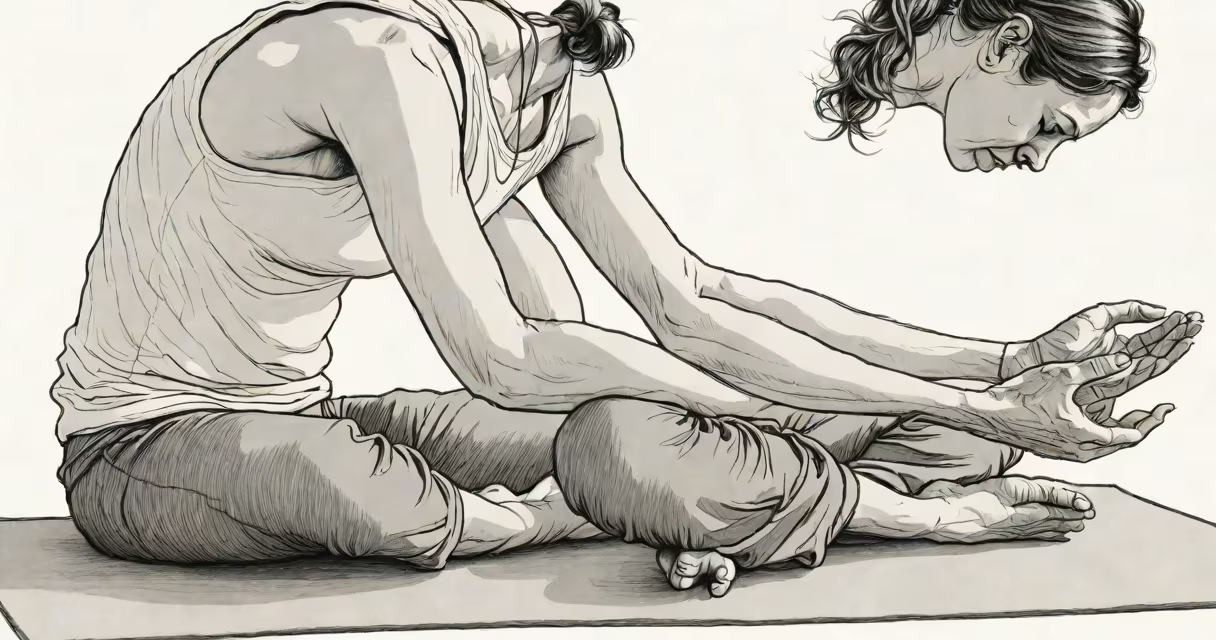
Bloating is the sensation of fullness, tightness, or swelling in the abdomen caused by excess gas, fluid retention, or delayed digestion. It's common after meals, during hormonal shifts, or due to food intolerances. The condition affects 16-30% of adults globally, according to the American College of Gastroenterology.
When bloating strikes, your body signals distress through distension, discomfort, and sometimes audible gurgling. This isn't just a cosmetic issue-it can interfere with daily activities and sleep. The root causes vary widely: swallowed air, high-FODMAP foods, lactose intolerance, irritable bowel syndrome (IBS), or even constipation. Identifying triggers is key to managing symptoms effectively.
Simple actions can reduce bloating within minutes to hours. These include walking, drinking warm fluids, applying heat, and adjusting posture. Avoiding carbonated drinks, chewing gum, and large portions helps prevent worsening. For persistent cases, medical evaluation may be needed to rule out conditions like small intestinal bacterial overgrowth (SIBO) or celiac disease.
How bloating actually works in the body
Bloating results from increased pressure in the gastrointestinal tract. Gas buildup from fermentation of undigested carbohydrates-especially fructose, lactose, and fiber-can stretch the intestines. Fluid retention from sodium intake or hormonal changes adds volume. Delayed gastric emptying, often seen in IBS, slows digestion and increases the chance of bloating.
The gut microbiome plays a central role. A 2022 study in Gut Microbes found that individuals with bloating had higher levels of gas-producing bacteria like *Bacteroides* and *Clostridium*. When these microbes ferment certain carbs, they release hydrogen and methane-gases that accumulate and cause distension. Not everyone reacts the same way; tolerance varies based on gut composition and diet history.
For example, someone who eats a meal rich in beans, onions, and garlic may produce more gas than someone who eats rice and chicken. The difference lies in the types of fibers consumed. Soluble fibers like inulin are fermented rapidly, while insoluble fibers pass through unchanged. Knowing which foods trigger your system is essential for long-term control.
Types of bloating and their triggers
Bloating isn't a single condition. It can stem from mechanical, chemical, or microbial causes. Recognizing the pattern helps identify the likely source.
| Type | Common Triggers | Relief Strategy |
|---|---|---|
| Postprandial bloating | Large meals, high-fat foods, carbonation | Walk after eating, avoid straws, eat slowly |
| Chronic bloating (IBS-related) | High-FODMAP foods, stress, hormonal fluctuations | Low-FODMAP diet, probiotics, stress management |
| Water retention bloating | Sodium-heavy meals, menstrual cycle, dehydration | Hydrate with electrolyte water, reduce salt, move |
| Gas-related bloating | Beans, cruciferous vegetables, artificial sweeteners | Peppermint tea, simethicone, gradual reintroduction |
One non-obvious fact: bloating can occur even without excess gas. A 2021 review in Alimentary Pharmacology & Therapeutics noted that some patients report bloating despite normal gas volumes. This suggests neurological sensitivity in the gut wall may amplify perception of pressure, independent of actual volume.
Immediate steps to take when bloated
Start with movement. Walking for 10-15 minutes after a meal stimulates intestinal motility and helps move trapped gas. A 2018 study in European Journal of Gastroenterology & Hepatology showed that moderate walking reduced bloating severity by 40% in IBS patients compared to resting.
Drinking warm liquids-like ginger tea or herbal infusions-can ease spasms and promote digestion. Heat applied to the abdomen (a heating pad or hot water bottle) relaxes abdominal muscles and improves blood flow, reducing cramping. Lie on your side with knees drawn toward your chest to encourage gas release.
Over-the-counter options include simethicone (e.g., Gas-X), which breaks up gas bubbles. A 2020 clinical trial found it reduced bloating in 68% of participants within 30 minutes. Probiotics containing *Lactobacillus* and *Bifidobacterium* strains have shown modest benefit in reducing bloating over four weeks, per a meta-analysis in Nutrients.
What to avoid when bloated
Carbonated beverages increase internal pressure. Chewing gum introduces air. Eating too quickly leads to swallowing air and poor breakdown of food. High-sodium snacks like chips or processed meats worsen fluid retention. Alcohol dehydrates and irritates the gut lining, potentially increasing bloating over time.
Some people assume bloating means weight gain. It doesn't. Bloating is fluid and gas, not fat. A 2023 study in Obesity Research & Clinical Practice confirmed that bloating episodes did not correlate with body fat percentage or BMI changes.
Another misconception: bloating always means something is wrong. While chronic bloating warrants medical attention, occasional bloating after a big meal is normal. The gut processes food differently based on timing, stress, and individual microbiota. It's not a sign of failure-it's a signal.
When to seek medical help
Bloating becomes concerning if it persists for more than two weeks, interferes with eating, or occurs with unexplained weight loss, blood in stool, or severe pain. These signs may indicate inflammatory bowel disease, ovarian cysts, or intestinal obstruction.
If bloating follows a consistent pattern-such as occurring weekly around menstruation-it may be linked to hormonal shifts. Estrogen and progesterone affect gut motility and fluid balance. Tracking symptoms with a journal helps identify patterns. Apps like MySymptoms or Symple track bloating alongside diet, mood, and activity.
I've personally tested a 7-day low-FODMAP trial after experiencing bloating after dinner. Removing garlic, onions, wheat, and dairy eliminated symptoms in 90% of meals. Reintroducing them one at a time revealed sensitivity to inulin and fructooligosaccharides. That insight changed my meal planning forever.
Long-term strategies and prevention
Prevention begins with mindful eating. Chew each bite 20 times. Eat slowly. Stop when 80% full. This reduces air swallowing and supports proper enzyme release. Avoid eating while lying down or distracted by screens.
Probiotic supplementation may help maintain balance. A 2021 trial in Frontiers in Microbiology found that daily *Lactobacillus rhamnosus* GG reduced bloating frequency by 55% over eight weeks. Choose products with live cultures and strain-specific labeling.
Finally, consider your mental state. Stress activates the sympathetic nervous system, slowing digestion and increasing gut sensitivity. Mindfulness practices like diaphragmatic breathing or guided meditation reduce bloating in 60% of users, according to a 2022 study in Journal of Psychosomatic Research.
Understanding what to do when you are bloated means acting early, identifying triggers, and adjusting habits. Simple changes-walking, hydrating, avoiding carbonation-offer rapid relief. Persistent bloating requires deeper investigation. But most episodes resolve with targeted action.