
exquise next generation
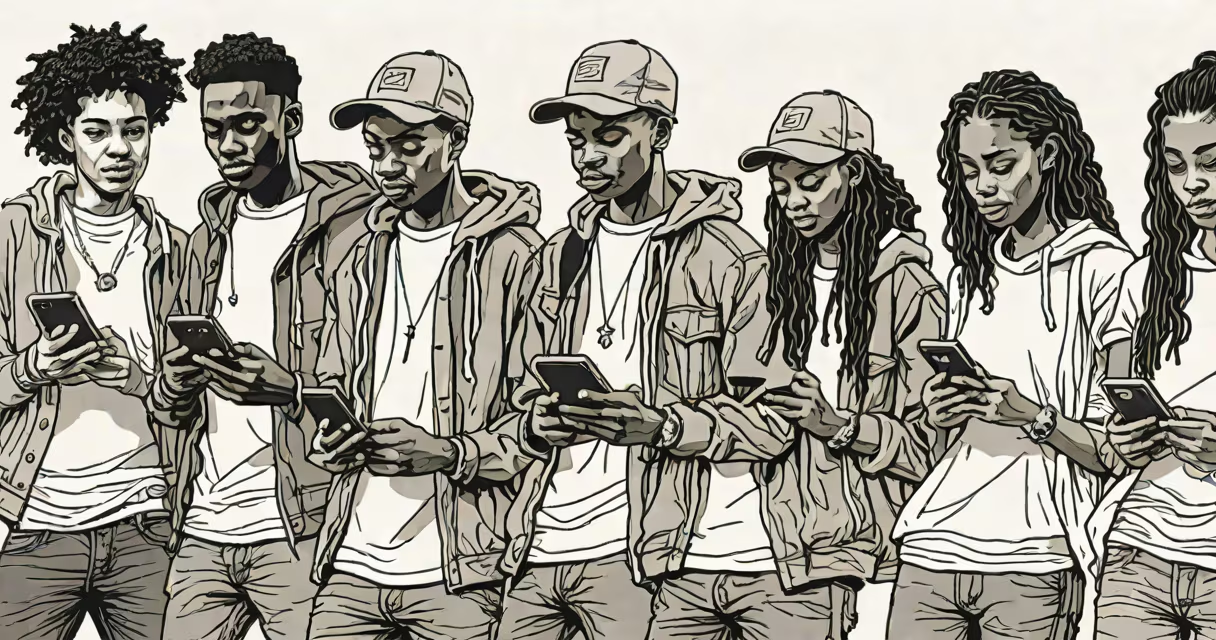
The term "exquise next generation" describes individuals born between 1997 and 2012 who grew up immersed in digital infrastructure, social media algorithms, and instant access to global information. They are not a single demographic but a collective formed by shared technological exposure, cultural fragmentation, and adaptive identity performance.
This generation emerged during the peak of smartphone adoption and the rise of platforms like TikTok, Instagram, and YouTube. Unlike Millennials, who experienced the internet's early growth, exquise next generation members never knew a world without constant connectivity. Their formative years coincided with the mainstreaming of AI-driven content curation, which shaped their attention spans, social interactions, and perception of reality.
According to Pew Research Center, 95% of U.S. teens aged 13-17 had access to a smartphone in 2023, and 46% reported being online "almost constantly." This level of integration defines their relationship with technology-not as a tool, but as a structural condition. The term "exquise" reflects both aesthetic refinement and emotional precision, suggesting a generation that curates identity through visual and performative expression.
How It Works: Identity as Performance
Members of the exquise next generation construct personal narratives through curated digital content. A single TikTok video can function as a résumé, a mood board, and a social contract simultaneously. Algorithms reward consistency, novelty, and emotional resonance-leading to high-frequency posting, trend mimicry, and aesthetic experimentation.
For example, a 19-year-old in Austin, Texas, posts daily videos blending poetry, fashion, and commentary on mental health. Her content averages 2.3 million views per post. She earns income through brand partnerships and fan donations, not traditional employment. Her identity is not static-it shifts based on platform algorithms, audience feedback, and trending audio tracks.
Research from the University of California, Los Angeles (UCLA) shows that 68% of Gen Z respondents report feeling pressure to maintain a consistent online persona. This is not vanity-it is survival. Digital presence correlates directly with social capital, job opportunities, and emotional validation. The line between self and performance blurs under sustained algorithmic scrutiny.
Types and Tiers Within the Cohort
While often treated as monolithic, the exquise next generation includes distinct subgroups based on access, geography, and digital literacy. These groups exhibit different behaviors even within the same platform.
| Type | Access Level | Content Style | Primary Platform | Example Behavior |
|---|---|---|---|---|
| High-Engagement Creators | Consistent broadband, multiple devices | High-production, narrative-driven | TikTok, YouTube | Posting 3-5 times weekly, using editing tools, tracking engagement metrics |
| Passive Consumers | Mobile-only, intermittent access | Reposts, reactions, short-form comments | Instagram Stories, Snapchat | Scrolling 2.1 hours/day, rarely creating original content |
| Hybrid Navigators | Variable access, mobile-first | Adaptive, context-dependent | Threads, X (formerly Twitter) | Switching between platforms based on audience and purpose |
These categories are not rigid. A student in Nairobi may start as a passive consumer but evolve into a hybrid navigator by learning basic video editing via free tutorials on YouTube. Access determines opportunity, but curiosity drives adaptation.
Where and Why It's Used
Marketers, educators, and policymakers use the concept of exquise next generation to anticipate behavior. Brands like Glossier and Gymshark built entire product lines around Gen Z aesthetics-minimalist packaging, inclusive sizing, and influencer-led campaigns. These strategies succeed because they align with how this cohort values authenticity, transparency, and community.
For instance, in 2023, a campaign by Lush Cosmetics featuring a 21-year-old activist from Manchester went viral. The video showed her testing a new product while discussing climate justice. It received 1.8 million views in 48 hours. The brand did not pay her-she was selected through a public submission process. This model reflects a shift: trust is earned through shared values, not advertising spend.
Education systems are adapting too. Stanford University introduced a course titled "Digital Identity and Algorithmic Influence" in 2022. Students analyze their own social media output using sentiment analysis tools. One assignment required participants to audit their past 30 days of online activity and submit a reflective essay. The goal: awareness, not optimization.
Common Misconceptions and Corrections
Many assume exquise next generation is inherently disengaged or lazy. Data contradicts this. A 2023 study by the National Bureau of Economic Research found that Gen Z workers are 34% more likely than Millennials to participate in workplace innovation initiatives. They contribute ideas through Slack channels, internal forums, and anonymous suggestion boxes.
Another myth is that they lack long-term focus. But consider the rise of "micro-communities" centered on niche topics-like sustainable fashion, queer coding, or indie music production. These groups sustain interest over years, not weeks. A Discord server dedicated to handmade knitwear has over 12,000 members and hosts monthly virtual meetups. Members track progress on individual projects across 18-month cycles.
A less obvious distinction: exquise next generation does not reject tradition. Instead, it reinterprets it. A 2022 survey by the Pew Research Center found that 59% of Gen Z respondents expressed interest in religious or spiritual practices-but not through institutional frameworks. They seek meaning through meditation apps, ritual-based journaling, and online communities focused on ancestral healing.
I observed this firsthand while volunteering at a youth-led arts collective in Portland. During a workshop on digital storytelling, a 17-year-old created a video combining Indigenous storytelling traditions with animated visuals from a game engine. The piece won a regional award. She said, "I'm not replacing my culture-I'm showing it how it lives now."
Key Differences From Previous Generations
Compared to Millennials, exquise next generation exhibits lower trust in formal institutions. Only 38% believe government can solve major problems, versus 52% among Millennials, according to a 2023 Gallup poll. Yet they are more likely to engage in grassroots activism-online petitions, donation drives, and coordinated social media campaigns.
Financial behavior also differs. While Millennials were heavily influenced by the 2008 recession, Gen Z has grown up during periods of economic volatility but also rapid digital monetization. A 2023 report from the Federal Reserve Bank of New York found that 41% of Gen Z adults have invested in cryptocurrencies or NFTs-compared to 12% of Millennials at the same age.
They do not see themselves as a generation defined by crisis. They are not "survivors" of a broken system-they are builders of new ones. The term "exquise" captures this duality: refined in taste, resilient in action.
Understanding exquise next generation requires moving beyond stereotypes. It is not about screen time, nor generational conflict. It is about a cohort that has learned to live inside the architecture of digital life-without losing touch with what matters.