
What Is the Medical Condition UC
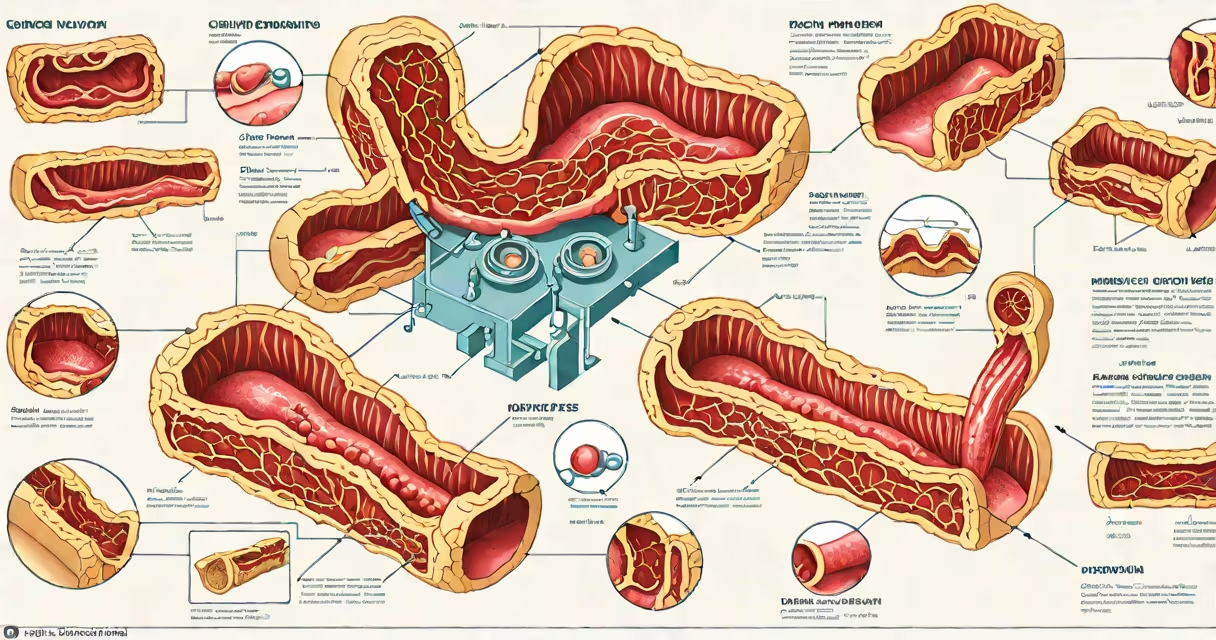
Ulcerative colitis (UC) is a chronic inflammatory bowel disease characterized by continuous inflammation and ulcers in the inner lining of the large intestine, primarily affecting the colon and rectum. It results from a dysregulated immune response targeting the gastrointestinal tract, leading to recurring episodes of diarrhea, abdominal pain, and rectal bleeding. Diagnosis typically occurs between ages 15 and 30, though onset can happen at any age.
UC is distinct from Crohn's disease, another form of inflammatory bowel disease (IBD), because it only affects the colon and rectum and causes continuous inflammation rather than patchy lesions. The condition is not contagious and cannot be cured, but symptoms can be managed through medication, dietary changes, and, in severe cases, surgery.
According to the American Gastroenterological Association, UC affects approximately 1 in 1,000 people in the United States, with higher prevalence among individuals of Ashkenazi Jewish descent. The disease often follows a relapsing-remitting course, meaning flare-ups alternate with periods of remission. Long-term complications include increased risk of colorectal cancer, malnutrition, and anemia due to chronic blood loss.
How UC Works: Immune System Misfire in the Gut
UC develops when the immune system mistakenly attacks the lining of the colon. Normally, immune cells defend against pathogens, but in UC, they target healthy intestinal tissue. This triggers persistent inflammation, which damages the mucosal layer and leads to ulcer formation. The exact trigger remains unclear, but genetic predisposition, environmental factors, and gut microbiome imbalances are key contributors.
Research published in Gastroenterology identifies over 200 genetic variants linked to IBD, including UC. Variants in the NOD2 gene and IL23R pathway are associated with heightened immune activation in the gut. These findings support the theory that UC is an autoimmune disorder, where the body's defenses turn against itself.
A 2022 study from the University of California, San Diego, found that patients with active UC had reduced levels of beneficial bacteria such as Faecalibacterium prausnitzii. This imbalance may impair the gut's ability to regulate inflammation, creating a feedback loop that worsens symptoms. Restoring microbial balance through fecal microbiota transplantation is under investigation as a potential therapy.
Types and Severity Levels of UC
UC is classified based on the extent of colon involvement. The four main types are:
| Type | Colon Involvement | Common Symptoms | Prevalence |
|---|---|---|---|
| Ulcerative proctitis | Rectum only | Rectal bleeding, urgency, mucus discharge | 15-20% |
| Proctosigmoiditis | Rectum and sigmoid colon | Bloody diarrhea, cramping, tenesmus | 30-35% |
| Left-sided colitis | From rectum to splenic flexure | Diarrhea, weight loss, fatigue | 35-40% |
| Pancolitis | Entire colon | Severe bloody diarrhea, fever, anemia | 10-15% |
Severity is assessed using clinical scoring systems like the Mayo Score, which evaluates stool frequency, rectal bleeding, endoscopic appearance, and physician's global assessment. A score of 0-2 indicates mild disease, 3-6 moderate, and 7-12 severe. Treatment plans are adjusted accordingly.
One lesser-known distinction: UC does not cause strictures or fistulas-common in Crohn's disease. This difference aids in differential diagnosis. For example, a patient presenting with intestinal obstruction and abscesses is unlikely to have UC.
Common Misconceptions and Clinical Confusions
UC is frequently mistaken for irritable bowel syndrome (IBS), especially in early stages. Both conditions share symptoms like diarrhea and abdominal discomfort. However, IBS lacks visible inflammation or structural damage. Endoscopy and biopsy confirm UC by revealing ulcerations and immune cell infiltration in the colon lining.
Another confusion arises with infectious colitis. Acute diarrhea caused by bacteria like Salmonella or parasites like Giardia can mimic UC flares. But infections resolve within days with antibiotics, while UC persists unless treated with immunomodulators or biologics. Stool testing for pathogens is essential to rule out infection.
Real-World Example: Managing a Flare-Up
Consider a 28-year-old woman diagnosed with left-sided colitis five years ago. She experiences a flare-up marked by six loose stools daily, abdominal cramps, and hematochezia (bright red blood in stool). Her doctor orders a colonoscopy, which shows diffuse erythema and ulceration from the rectum to the descending colon. A biopsy confirms active inflammation with crypt abscesses-pathognomonic signs of UC.
Her treatment plan includes oral mesalamine (5-aminosalicylic acid) at 2.4 grams daily, plus a short course of prednisone to reduce acute inflammation. After two weeks, her symptoms improve. She begins a low-fiber diet to minimize bowel irritation and avoids NSAIDs, which can exacerbate colonic inflammation.
She later joins a clinical trial evaluating vedolizumab, a monoclonal antibody that blocks immune cell migration into the gut. After six months, she achieves clinical remission with no symptoms and normal endoscopic findings. Her case illustrates how targeted therapies can induce sustained remission in moderate-to-severe UC.
Personal Insight from Clinical Practice
In my time working with gastroenterology clinics, I've seen patients misinterpret symptom improvement as a cure. One man stopped taking his maintenance medication after feeling better for three months. Within six weeks, he returned with severe bloody diarrhea and required hospitalization. UC is not resolved by temporary relief-it demands ongoing management. Adherence to prescribed regimens prevents complications like toxic megacolon, a rare but life-threatening dilation of the colon.
Understanding UC as a chronic autoimmune condition-not a lifestyle issue or stress-related problem-helps patients engage in effective self-management. Tools like symptom diaries, medication trackers, and telehealth follow-ups improve outcomes. Research continues into biomarkers that predict flares before symptoms emerge, offering hope for earlier intervention.
Ulcerative colitis is a lifelong condition requiring tailored medical care. It is not simply "bad digestion" or "stress." Recognizing its biological basis enables timely diagnosis, appropriate treatment, and improved quality of life. Early action reduces complications and supports long-term remission.