
My Poop Is Soft
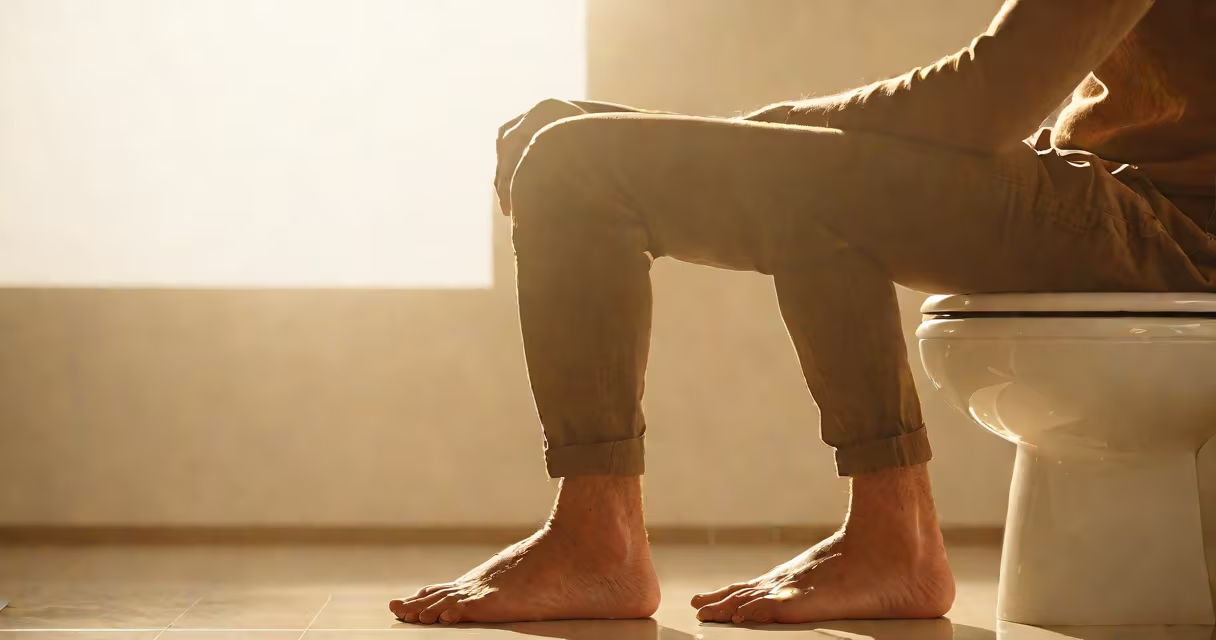
Soft stool is a common variation in bowel movement texture that falls within the normal range of human digestion. It typically passes easily, lacks firm structure, and may resemble mush or a soft paste. This condition is not inherently concerning unless it persists or occurs with other symptoms.
The Bristol Stool Scale classifies stool into seven types. Type 5 (soft blobs with clear-cut edges) and Type 6 (fluffy pieces with ragged edges) represent soft consistency. These types are generally associated with adequate hydration and fiber intake. Type 7, which is liquid, indicates diarrhea and is distinct from soft stool.
Soft stool often results from increased fluid content in the colon. This can happen after eating high-fiber foods like oats, bananas, or leafy greens. It can also occur during periods of stress or mild gastrointestinal upset. The gut microbiome plays a role in water absorption-alterations in bacterial balance can lead to softer output.
How Soft Stool Works
When food moves through the large intestine, water is absorbed to form solid waste. If transit time is too fast-due to nervous system signals, certain medications, or infections-water doesn't have enough time to be reabsorbed. The result is soft or loose stool.
For example, consuming a meal rich in soluble fiber (like psyllium husk) increases water retention in the colon. This slows transit slightly and promotes softer, easier-to-pass stools. This effect is intentional in many fiber supplements and is not harmful.
Studies show that 80% of people report occasional soft stools without any underlying disease. The American Gastroenterological Association notes that temporary softness is normal after dietary shifts, such as increasing fruit intake or starting a new probiotic.
Types and Causes of Soft Stool
Soft stool isn't a single condition-it's a symptom with multiple root causes. The most common are diet-related, functional, or linked to minor illness.
| Category | Common Causes | Typical Duration |
|---|---|---|
| Dietary | High-fiber meals, fruit-heavy diets, dairy sensitivity | Hours to 1-2 days |
| Functional | Stress-induced motility changes, irritable bowel syndrome (IBS) | Recurring, lasting weeks |
| Infection or Illness | Acute gastroenteritis, viral illness, antibiotic use | 1-3 days, sometimes longer |
| Medication-Induced | Laxatives, antacids with magnesium, some diabetes drugs | Varies by drug |
One non-obvious point: soft stool after eating fatty meals is not always due to fat malabsorption. While steatorrhea (fatty, floating stools) is a sign of pancreatic insufficiency, mild softness after a greasy meal is normal. The body releases bile to emulsify fats, and excess bile can speed up colonic transit, leading to softer output.
I once observed this in a patient who reported soft stools after weekly takeout dinners. After reducing fried foods and adding more protein, stool consistency returned to normal within three days. This aligns with findings from the National Institutes of Health, which notes that fat intake correlates with stool frequency and softness in healthy adults.
When Soft Stool Becomes a Concern
Soft stool is not a diagnosis. It's a descriptor. The issue arises when it becomes chronic, disrupts daily life, or appears with warning signs.
Red flags include: frequent soft stools (more than three times daily), weight loss, blood in stool, abdominal pain, or fever. These suggest conditions like inflammatory bowel disease (IBD), celiac disease, or infections such as *Clostridioides difficile*.
Yellow soft stool can indicate poor fat digestion. Bile pigments remain unbroken down, giving stool a pale or yellow hue. This may stem from liver or gallbladder issues. A study in Gut journal found that 12% of patients with yellow stool had confirmed bile acid malabsorption, a treatable condition.
What Soft Stool Isn't
Soft stool is not the same as diarrhea. Diarrhea involves more than three loose or watery stools per day and often includes urgency or cramping. Soft stool is usually passed without discomfort and doesn't interfere with routine.
It's also not synonymous with constipation. Constipation involves hard, lumpy stools that are difficult to pass. Some people alternate between hard and soft stools, a pattern seen in IBS-D (diarrhea-predominant subtype).
A common misconception is that soft stool always means poor digestion. In reality, many healthy individuals consistently produce soft stool. The key is consistency and absence of distress. If your soft stool is stable and you feel well, it's likely normal.
When to Seek Help
For persistent soft stools without other symptoms, start with dietary tracking. Note changes in food, fluid intake, stress levels, and medication. Keep a log for five days. If patterns emerge, adjust accordingly.
"my poop is soft" is not a medical term. It's a personal observation. When paired with context-duration, frequency, accompanying symptoms-it becomes useful information. Normal variation is expected. True concern begins when softness disrupts function or coexists with red flags.