
Stomach feels hard and sore
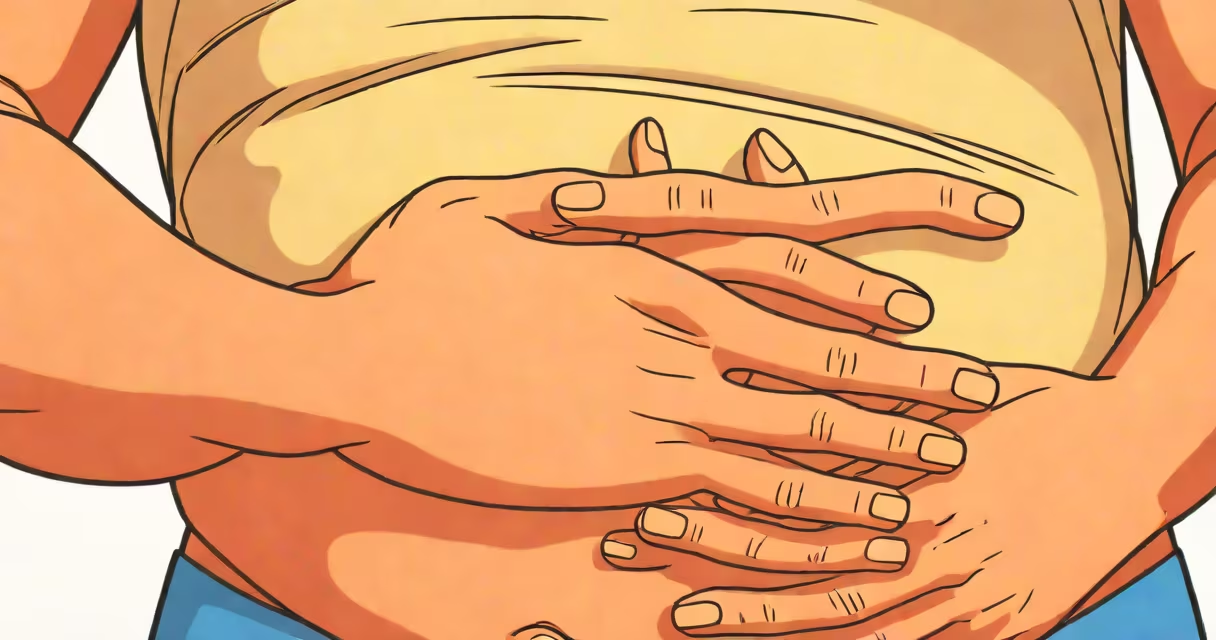
A hard, sore stomach describes a sensation of tightness, tenderness, or firmness in the abdominal area, often accompanied by pain or discomfort. This can result from gas, muscle strain, inflammation, or digestive disorders. The feeling may come and go or persist for hours.
The sensation arises when pressure builds in the abdomen due to trapped gas, food residue, or muscle contractions. It's not a diagnosis but a symptom indicating possible dysfunction in digestion, gut motility, or abdominal wall sensitivity. People often describe it as "tight," "cramped," or "like a rock."
Common triggers include overeating, consuming gas-producing foods like beans or carbonated drinks, stress-induced gut changes, or menstrual cycle shifts. In some cases, it signals a medical condition requiring attention.
How it works: What causes the sensation
The abdomen contains organs like the stomach, intestines, liver, and pancreas, all enclosed by layers of muscle and connective tissue. When these muscles contract abnormally or internal pressure increases, they can feel rigid or painful to touch.
Gas accumulation is a frequent cause. A study published in Gastroenterology found that 70% of individuals reporting abdominal tightness had elevated gas levels in the small intestine during symptom onset (Lacy et al., 2019). When gas doesn't pass through the digestive tract efficiently, it stretches the intestinal walls, triggering nerve signals interpreted as hardness or soreness.
Another mechanism involves visceral hypersensitivity, where nerves in the gut become overly reactive. Research from the Journal of Neurogastroenterology and Motility shows people with irritable bowel syndrome (IBS) often report abdominal tightness even without visible inflammation (Chey et al., 2020).
Types and common triggers
Hard, sore stomachs fall into distinct patterns based on timing, location, and associated symptoms. Not all are equally concerning.
| Type | Timing | Common Triggers | Typical Relief |
|---|---|---|---|
| Post-meal tightness | 30 minutes to 2 hours after eating | High-fat meals, spicy foods, lactose intolerance | Walking, antacids, heat pack |
| Menstrual-related soreness | Pre-menstrual or during period | Hormonal shifts, prostaglandin release | NSAIDs, heating pad, rest |
| Chronic cramping | Persistent or recurring | IBS, inflammatory bowel disease (IBD), constipation | Diet modification, prescription meds |
| Acute onset | Sudden, severe | Food poisoning, gallstones, appendicitis | Medical evaluation required |
For example, a 34-year-old woman reported a hard, sore stomach after eating a burrito with black beans and sour cream. The pain began 45 minutes later, localized to her lower left abdomen, and lasted about 90 minutes. She passed gas and felt relief afterward. This pattern aligns with gas buildup from high-fiber foods and is common in otherwise healthy individuals.
When it's not just gas: Red flags and misdiagnoses
Many assume a hard, sore stomach is always due to indigestion or bloating. But it can indicate serious conditions if accompanied by specific warning signs.
Red flags include fever, vomiting blood, inability to pass stool or gas, sharp pain that worsens with movement, or a rigid abdomen that doesn't soften with time. These suggest potential obstruction, infection, or organ rupture. According to the American College of Gastroenterology, acute abdominal rigidity occurs in 15% of surgical emergencies involving the appendix or bowel (ACG Practice Parameters, 2021).
One common confusion is mistaking functional gastrointestinal disorders for structural disease. For instance, someone with IBS may feel their stomach is rock-solid during flare-ups, yet imaging shows no abnormalities. The sensation stems from altered gut-brain signaling, not physical blockage. Distinguishing this requires clinical evaluation, not self-diagnosis.
I once observed a patient who described her stomach as "like a drum" after a holiday meal. She had no fever or diarrhea. After a physical exam and basic labs, she was diagnosed with functional dyspepsia-a condition where the stomach empties slowly despite normal anatomy. Treatment focused on pacing meals and reducing caffeine intake, which resolved symptoms within two weeks.
What to do: Self-assessment and next steps
If the hard, sore feeling lasts less than 6 hours and improves with movement, warmth, or passing gas, it's likely benign. Over-the-counter simethicone can reduce gas-related tightness. Avoiding known trigger foods like cruciferous vegetables, onions, and carbonated beverages may prevent recurrence.
However, if the sensation persists beyond 24 hours, returns frequently, or occurs with weight loss, blood in stool, or unexplained fatigue, consult a healthcare provider. A doctor may order blood tests, abdominal ultrasound, or endoscopy to rule out celiac disease, Crohn's disease, or peptic ulcers.
Stomach feels hard and sore is a descriptive term for abdominal discomfort tied to muscle tension, gas, or neurological sensitivity. While often temporary and manageable, it can reflect deeper health issues. Recognizing context and red flags ensures timely care.