
dry flaky skin hair loss dogs
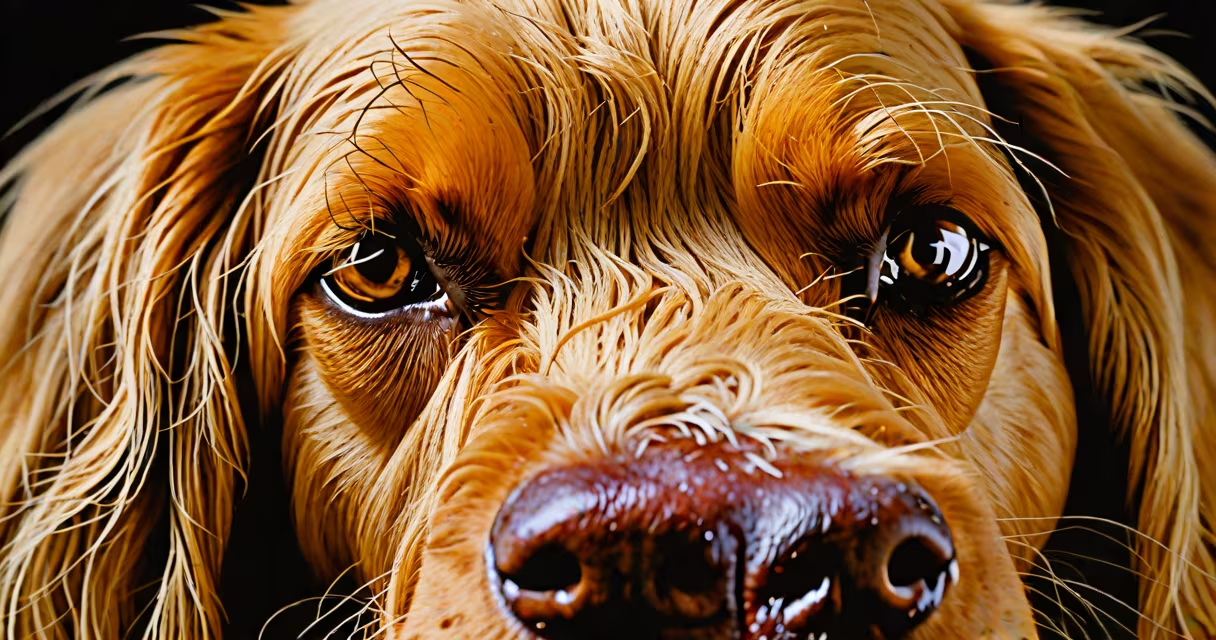
Dry flaky skin and hair loss in dogs indicate a disruption in the skin barrier or systemic imbalance, often pointing to allergies, infections, hormonal disorders, or nutritional deficiencies. These symptoms are not normal aging signs and require prompt evaluation.
Dry flaky skin results when the outer layer of the epidermis sheds excessively due to dehydration, inflammation, or abnormal cell turnover. Hair loss-also called alopecia-occurs when follicles stop producing new hairs, either temporarily or permanently. When both appear together, they suggest a deeper issue affecting the skin's structure and function.
These symptoms are common in breeds with sensitive skin, such as Bulldogs, Dachshunds, and Westies, but can affect any dog regardless of breed. The condition may start subtly-small flakes on the back or ears-but progress to widespread bald patches, itching, redness, and secondary infections if untreated.
How Dry Flaky Skin and Hair Loss Develop
The skin acts as a physical and immunological barrier. When compromised, moisture escapes, irritants enter, and immune cells trigger inflammation. This leads to increased shedding of dead skin cells-visible as flakes-and damage to hair follicles.
Common triggers include allergens (food, environmental), parasites (fleas, mites), bacterial or fungal infections (like Malassezia yeast), and endocrine imbalances. For example, hypothyroidism reduces metabolic activity in skin cells, slowing regeneration and increasing flaking. Cushing's disease elevates cortisol, which suppresses immune responses and alters sebum production, leading to dryness and thinning hair.
A 2021 study published in Veterinary Dermatology found that 68% of dogs presenting with pruritus (itching) and flaking had atopic dermatitis, a chronic allergic skin condition. Another 12% had parasitic infestations, and 10% showed signs of hormonal disease. These numbers show that dry flaky skin and hair loss rarely stem from a single cause.
Types and Common Causes
Conditions causing dry flaky skin and hair loss fall into several categories. Not all are equally treatable, and misdiagnosis delays recovery.
| Type | Key Features | Prevalence in Dogs | Diagnostic Clues |
|---|---|---|---|
| Allergic dermatitis | Itching, redness, flaking, ear infections | ~70% | Seasonal patterns, food trial response |
| Parasitic infestation | Flakes with black specks, intense scratching, hair loss in patches | ~15% | Flea comb test positive, mite detection under microscope |
| Hormonal disorders | Symmetrical hair loss, thickened skin, poor coat quality | ~8% | Low thyroid hormone levels, elevated cortisol |
| Nutritional deficiency | Generalized dull coat, brittle hair, flaking on face and limbs | <5% | Deficient omega-3 and fatty acids, low zinc |
One overlooked factor is diet. A 2019 study in Journal of Animal Physiology and Animal Nutrition showed that dogs fed diets lacking essential fatty acids developed more skin flaking and reduced hair density after 12 weeks compared to those on balanced rations.
Another non-obvious point: some dogs develop flaky skin and hair loss after steroid treatment. Corticosteroids suppress inflammation but also inhibit keratinocyte maturation, leading to premature desquamation and follicular atrophy. This effect is especially noticeable in long-term users.
When to Seek Veterinary Care
Do not assume dry flaky skin and hair loss are minor. Left untreated, they lead to secondary bacterial infections (pyoderma), pain, and permanent scarring. Early intervention improves outcomes.
Consult a veterinarian if your dog shows:
- More than 20% of the body covered in flaking skin
- Visible bald spots larger than a quarter
- Excessive licking, biting, or rubbing against furniture
- Changes in appetite, weight, or energy level
I once treated a 5-year-old Shih Tzu with severe facial flaking and hair loss around the eyes. Initial home remedies failed. A skin scraping revealed Demodex mites. After a 6-week course of amitraz dips and oral ivermectin, the coat regrew completely. The owner reported that the dog's energy returned within two weeks.
Diagnosis typically involves skin scrapings, fungal cultures, blood tests (T4, ACTH stimulation), and sometimes biopsies. Treatment varies: antiparasitics for mites, antibiotics for infection, hormone replacement for hypothyroidism, or hypoallergenic diets for food allergies.
Common Misconceptions and Clarifications
Many owners mistake dry flaky skin and hair loss for seasonal shedding. But shedding is uniform and temporary. Flaking and hair loss are patchy, persistent, and often accompanied by discomfort.
Another myth: "It's just old age." While older dogs may have drier skin, they don't lose hair in large clumps unless diseased. A 12-year-old Labrador with symmetrical hair loss along the back and tail base was diagnosed with hypothyroidism after blood work. Hormone therapy restored coat growth in 10 weeks.
Some think over-bathing causes dryness. While excessive bathing removes natural oils, it doesn't cause the systemic changes seen in chronic cases. Using a pH-balanced shampoo helps, but it won't fix underlying disease.
Prevention and Management
Preventive steps include regular parasite control, feeding a balanced diet rich in omega-3 and -6 fatty acids, and avoiding harsh shampoos. Omega-3 supplementation at 100 mg per 10 lbs of body weight daily has been shown to reduce flaking in clinical trials.
Use humidifiers in dry indoor environments. Avoid sudden temperature shifts. Monitor for early signs: frequent scratching, licking paws, or rubbing face on carpets.
Regular vet check-ups catch problems early. Annual blood panels including T4 and cortisol levels help detect endocrine disorders before symptoms worsen.
Addressing dry flaky skin and hair loss in dogs requires accurate diagnosis. Do not delay care based on assumptions. The condition is treatable when caught early.
Understanding the root cause of dry flaky skin and hair loss in dogs prevents unnecessary suffering and supports long-term health. Always consult a veterinarian when symptoms persist beyond a few days.