
Upper abdominal pain after alcohol
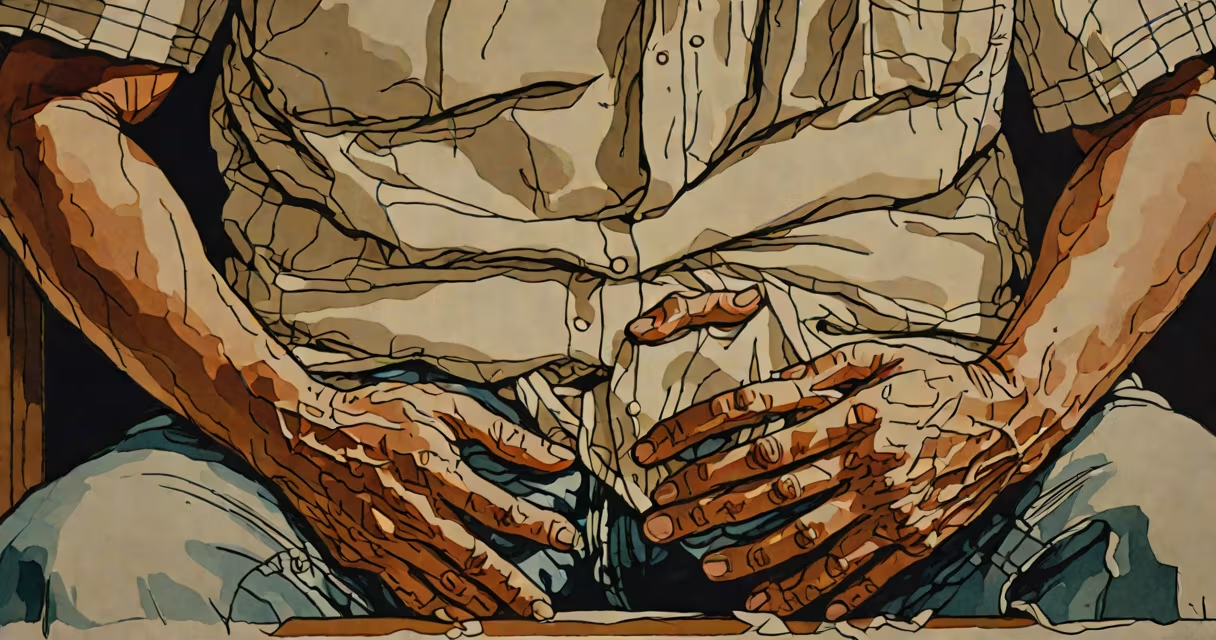
Upper abdominal pain after alcohol refers to discomfort or sharp sensations in the area just below the ribcage, typically occurring within minutes to hours after drinking. This symptom arises from irritation or inflammation of the stomach lining, gallbladder, or pancreas triggered by ethanol's effects on digestion and gut function.
Alcohol disrupts the protective mucus layer in the stomach, increases acid production, and slows gastric emptying. These changes expose the stomach lining to corrosive acids, leading to irritation and pain. The condition may resolve quickly after abstinence, but repeated episodes can progress to gastritis, ulcers, or chronic inflammation.
According to the American Gastroenterological Association, alcohol is a leading cause of acute gastritis, accounting for up to 30% of cases in clinical settings. The risk rises sharply with consumption above moderate levels-defined as more than two drinks per day for men and one for women.
How it happens
When alcohol enters the stomach, it directly damages epithelial cells lining the mucosa. Ethanol acts as a detergent, breaking down lipid barriers that protect the tissue. This allows gastric acid to penetrate deeper layers, triggering inflammation and nerve activation-resulting in pain.
Alcohol also stimulates parietal cells to secrete more hydrochloric acid. Elevated acidity further erodes the mucosal barrier and can lead to erosions or ulcers. In some individuals, alcohol impairs the release of prostaglandins, which normally maintain blood flow and repair capacity in the stomach lining.
For those with preexisting conditions like Helicobacter pylori infection or NSAID use, alcohol amplifies damage. A 2021 study in Gut found that patients consuming alcohol while on NSAIDs had a 4.3-fold higher risk of developing peptic ulcers compared to non-drinkers.
Types and common triggers
Upper abdominal pain after alcohol can stem from several distinct causes, each with different patterns and severity:
| Condition | Onset Timing | Key Features | Common Triggers |
|---|---|---|---|
| Gastritis | Minutes to 2 hours | Burning pain, nausea, bloating | High-proof spirits, carbonated mixers, large volumes |
| Acute pancreatitis | 1-6 hours | Severe, radiating pain to back, vomiting | Heavy binge drinking, especially with beer or hard liquor |
| Gallbladder inflammation | 1-4 hours | Dull ache under right rib, worsened by fatty meals | Alcohol with high-fat snacks, red wine |
| Reflux esophagitis | Immediate to 30 minutes | Burning behind sternum, sour taste | Wine, beer, carbonation |
Not all upper abdominal pain after alcohol stems from the stomach. Pancreatic involvement, though less frequent, carries serious risks. The National Institute of Diabetes and Digestive and Kidney Diseases reports that alcohol accounts for 70% of acute pancreatitis cases in adults.
Common misconceptions and red flags
Many assume that mild pain after a few drinks is normal. But persistent or worsening symptoms indicate pathology. A key distinction: transient discomfort after a night out may resolve in 6-12 hours. Pain lasting beyond 24 hours, recurring with each drink, or accompanied by vomiting blood, black stools, or fever requires urgent evaluation.
Another misconception is that only heavy drinkers experience this. Even moderate consumption-such as two beers or a glass of wine-can trigger pain in sensitive individuals. A 2020 study in Alimentary Pharmacology & Therapeutics showed that 18% of healthy adults reported upper abdominal pain after consuming just one standard drink.
One non-obvious fact: alcohol can mask early signs of peptic ulcer disease. Because it suppresses pain perception temporarily, people may delay seeking care until bleeding occurs. This delays diagnosis and increases mortality risk.
Real-world example: a case study
A 42-year-old man presented with recurrent upper abdominal pain after drinking. He consumed two glasses of red wine weekly, usually with dinner. Over six months, he experienced burning pain 30 minutes after drinking, sometimes waking at night. He denied nausea or weight loss.
Endoscopy revealed erythematous, swollen mucosa in the gastric antrum-consistent with mild gastritis. H. pylori testing was negative. After eliminating alcohol, his symptoms resolved within five days. He later reported that reducing wine intake to once monthly prevented recurrence.
This case illustrates that even low-frequency consumption can trigger symptoms in susceptible individuals. It also underscores that symptom resolution upon abstinence supports causality.
When to seek medical attention
Seek immediate care if pain is severe, lasts longer than 24 hours, or is accompanied by:
- Vomiting blood or material resembling coffee grounds
- Black, tarry stools (melena)
- Fever above 38°C (100.4°F)
- Pain radiating to the back or shoulder
- Unintended weight loss
These signs suggest complications such as bleeding ulcers, pancreatitis, or gallstone obstruction. The Mayo Clinic recommends prompt evaluation for any new-onset upper abdominal pain after alcohol, especially in individuals over 40 or with a history of liver disease.
Prevention and management
Reducing alcohol intake is the most effective preventive measure. For those who choose to drink, pairing alcohol with food lowers peak blood alcohol concentration and reduces gastric exposure. Avoiding carbonated mixers and high-proof spirits also helps.
If symptoms persist despite abstinence, consider testing for H. pylori or undergoing endoscopy. Proton pump inhibitors (PPIs) like omeprazole may be prescribed for confirmed gastritis. However, long-term PPI use carries risks, including nutrient malabsorption and increased infection rates.
Upper abdominal pain after alcohol is not a minor issue. It reflects direct physiological disruption of the GI tract. Recognizing patterns, understanding triggers, and acting early prevents progression to chronic disease. If pain recurs regularly, consult a gastroenterologist to rule out structural or inflammatory conditions.