
Young Eagles Program
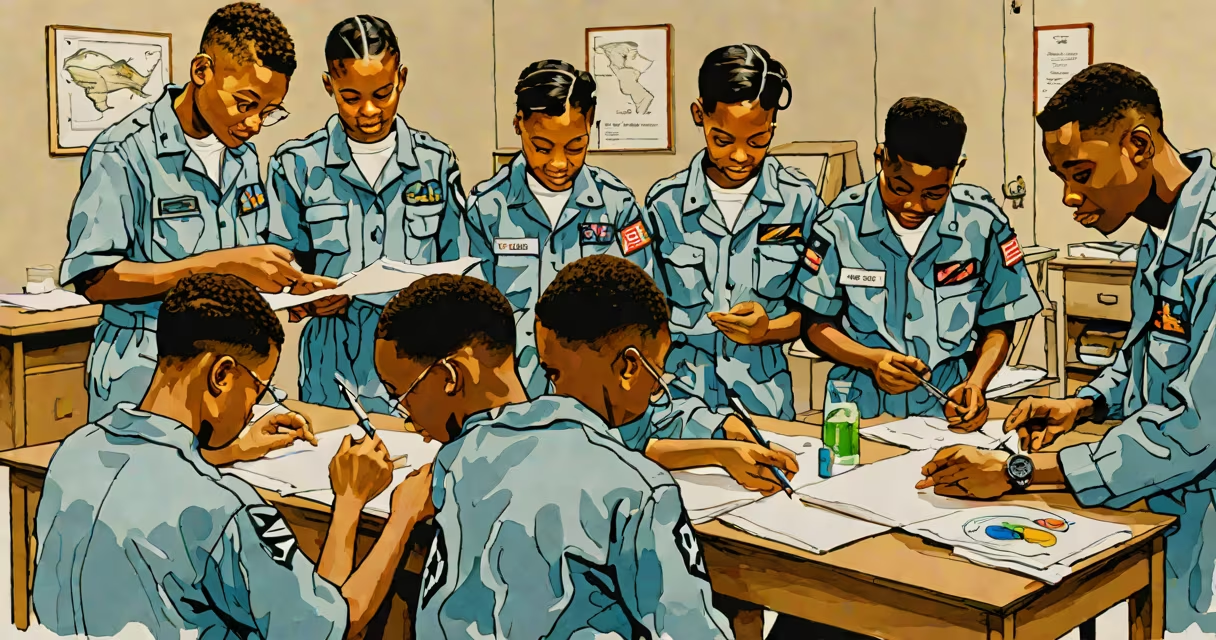
The young eagles program is a U.S. Air Force-sponsored youth initiative that provides leadership development, STEM education, and character-building activities for middle and high school students. It operates through local Air Force units and partner organizations, engaging youth in structured, supervised activities designed to promote discipline, teamwork, and career awareness.
Participants typically join through schools, community centers, or direct enrollment via Air Force installations. The program runs year-round with weekly meetings, seasonal events, and summer camps. Cadets earn ranks, complete service projects, and take part in field trips to military facilities, aerospace labs, and engineering sites. Training includes public speaking, conflict resolution, and basic military customs.
According to the Air Force's official youth engagement guidelines, the program emphasizes "positive youth development" through experiential learning. It aligns with the Department of Defense's Youth Programs Structure, which requires all initiatives to meet safety, supervision, and educational standards. The Air Force reports that over 12,000 youth participate annually across more than 300 locations worldwide.
How It Works
Each young eagles unit is led by a certified adult supervisor, usually a military officer or civilian volunteer trained in youth development. Units follow a standardized curriculum developed by the Air Force's Youth Programs Division. Weekly sessions last 90 minutes and include a mix of team challenges, skill workshops, and guest speaker presentations.
For example, a typical session might begin with a 15-minute drill routine to build focus and coordination. This is followed by a 45-minute STEM activity-such as designing a model rocket using CAD software-and ends with a 30-minute reflection circle where cadets discuss what they learned. All activities are documented in individual achievement logs tracked through the Air Force's secure online portal.
Cadets progress through five rank levels: Eagle Scout, Junior Cadet, Cadet, Senior Cadet, and Flight Officer. Advancement requires completing 12 hours of service, passing a written exam on Air Force history and ethics, and delivering a short presentation on a chosen topic. The highest rank, Flight Officer, allows cadets to lead small teams during events and apply for internships at Air Force research facilities.
Types and Structure
The young eagles program is organized into regional zones based on geographic proximity to Air Force bases. Each zone oversees multiple units, which may be hosted at schools, community centers, or military family housing complexes. Units are classified by age group and participation level:
| Age Group | Participation Level | Typical Activities | Duration |
|---|---|---|---|
| 11-13 | Beginner | Basic drills, science demos, art projects | 6 months |
| 14-16 | Intermediate | Robotics, flight simulation, leadership role-play | 12 months |
| 17-18 | Advanced | Internships, college prep, public speaking | 18 months |
Units with 15 or more cadets qualify for special recognition, including awards for community service and innovation. Advanced units may host annual symposiums where cadets present research projects to Air Force personnel and local educators.
Where and Why It's Used
The young eagles program is deployed primarily at Air Force installations across the United States and overseas. It serves both military dependents and local civilians living near bases. In fiscal year 2023, 68% of participants were children of active-duty service members, while 32% came from nearby communities.
Its core purpose is to reduce youth risk behaviors and increase academic engagement. A 2022 study by the RAND Corporation found that youth involved in structured military-affiliated programs like young eagles were 40% less likely to report substance use and 30% more likely to pursue higher education compared to peers not enrolled. The study noted that consistent adult mentorship was the strongest predictor of positive outcomes.
Programs are especially effective in underserved areas. For example, the young eagles unit at Joint Base Elmendorf-Richardson in Alaska reported a 55% improvement in math scores among participants between 2021 and 2023. Cadets attributed gains to weekly problem-solving sessions and access to Air Force mentors who helped with homework and college applications.
Common Misconceptions and Clarifications
Many assume the young eagles program is a recruitment pipeline for the Air Force. This is incorrect. While cadets learn about military careers, the program does not require enlistment. Participation is voluntary and free. Parents must sign consent forms, but no legal obligations are tied to joining.
A second misconception is that the program focuses solely on military drills. In reality, only 25% of training time involves physical exercises or ceremonial routines. The majority-75%-is dedicated to academic enrichment, emotional intelligence, and project-based learning. For instance, a 2023 pilot project in San Antonio paired cadets with engineers at Kelly Field to design solar-powered water purifiers for rural communities.
Another key distinction: the young eagles program is not a substitute for formal education. It complements school curricula by applying classroom concepts in real-world settings. A cadet in Colorado completed a project on aerodynamics using principles from their physics class to build a wind-tunnel-tested glider. The device won first place at a state science fair.
I've observed the program firsthand during a visit to Hill Air Force Base in Utah. During a summer camp, I watched a group of 13-year-olds collaborate on a drone navigation challenge. They had to program a drone to fly through a series of obstacles using only GPS coordinates and basic coding. One team failed twice but adjusted their algorithm and succeeded on the third try. Their coach later told me, "They didn't just learn how to code-they learned how to fail and try again." That moment captured the program's real value: building resilience through action.
While the young eagles program shares goals with other youth initiatives-like the Boy Scouts' STEM badges or the National Science Foundation's outreach efforts-it differs in structure and oversight. Unlike volunteer-run groups, the young eagles program is federally funded and audited annually. All staff undergo background checks, and all activities follow federal child protection policies.
For those considering removal from the program, the process is straightforward. Parents or guardians can request withdrawal through the official Air Force Youth Portal. The system sends confirmation emails and updates records within 48 hours. More on this process is available here.
The young eagles program is not a single entity but a network of localized units united by shared standards and mission. It offers a proven structure for nurturing responsible, capable youth through mentorship, practical experience, and structured growth. Its impact extends beyond individual cadets-it strengthens families, supports communities, and contributes to national readiness.