
Why Do I Feel Sick After My Period
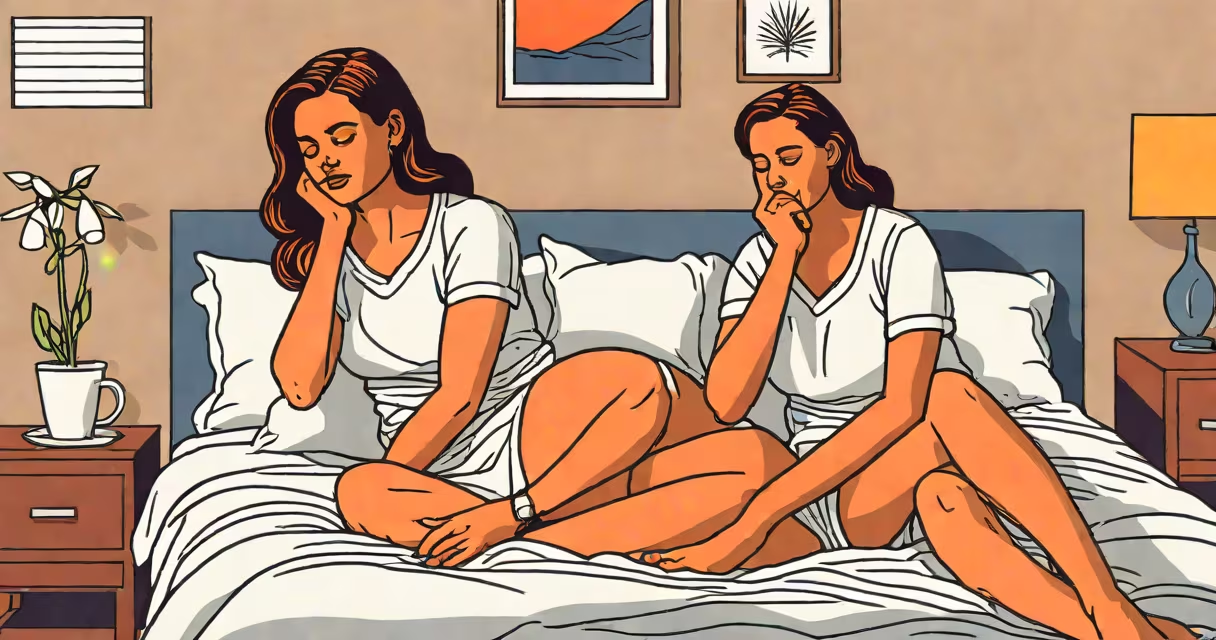
Feeling nauseous, dizzy, or generally unwell after your period is a recognized symptom linked to hormonal changes, particularly the drop in estrogen and progesterone that occurs at the end of menstruation. This shift affects the nervous system and digestive tract, triggering physical discomfort in many people with periods.
Estrogen and progesterone regulate mood, digestion, and blood pressure. When levels fall rapidly after ovulation and before menstruation begins, they can disrupt autonomic functions. A 2021 study published in Frontiers in Endocrinology found that low estrogen levels correlate with increased nausea and fatigue during the luteal phase and early follicular phase-just after bleeding ends.
Post-period sickness isn't always due to hormones. Dehydration, low blood sugar, or iron deficiency from heavy flow can worsen symptoms. Some people also experience gastrointestinal disturbances related to prostaglandins-hormone-like substances released during shedding of the uterine lining.
How Hormonal Shifts Trigger Nausea
After your period ends, estrogen and progesterone levels remain low until the next cycle begins. These hormones influence the brain's vomiting center (area postrema) and gut motility. A sudden drop can cause dizziness, nausea, and even fainting in sensitive individuals.
Progesterone, which rises after ovulation, slows digestion. When it plummets at the start of menstruation, the gut may react with cramping and queasiness. This effect can persist into the days after bleeding stops, especially if ovulation was recent.
A 2020 review in Journal of Women's Health noted that 38% of participants reported nausea during the first few days after their period, with higher rates among those with premenstrual dysphoric disorder (PMDD).
Other Physical Causes of Post-Period Sickness
Blood loss during heavy periods can lead to iron deficiency anemia. Low iron reduces oxygen delivery to tissues, causing fatigue, weakness, and nausea. The American Society of Hematology reports that up to 20% of menstruating people have iron deficiency, even without overt symptoms.
Dehydration is another frequent contributor. Many people reduce fluid intake during their period due to bloating or discomfort. A 2% drop in hydration can impair cognitive function and trigger nausea. Drinking water with electrolytes helps stabilize blood volume and prevent lightheadedness.
Prostaglandins-chemicals released when the uterus sheds its lining-can cause intense cramps and systemic effects. High levels may lead to nausea, diarrhea, and headaches. Over-the-counter NSAIDs like ibuprofen reduce prostaglandin production and relieve both pain and nausea.
When Symptoms Signal a Medical Condition
While mild nausea after your period is normal, persistent or severe symptoms may indicate an underlying issue. Chronic post-period nausea paired with fatigue, weight loss, or irregular cycles warrants evaluation.
Endometriosis-a condition where tissue similar to the uterine lining grows outside the uterus-can cause severe pain and nausea during and after periods. According to the Endometriosis Foundation of America, about 30% of people with endometriosis report nausea as a primary symptom.
PMDD (premenstrual dysphoric disorder) differs from PMS in severity. It involves mood swings, irritability, and physical symptoms like nausea and bloating. The DSM-5 defines PMDD as requiring five or more symptoms, including significant emotional distress, occurring in the week before menstruation and improving within a few days after.
| Symptom Pattern | Common Cause | Red Flag |
|---|---|---|
| Nausea lasting 3+ days after period | Hormonal fluctuation | Worsening fatigue or dizziness |
| Nausea with severe cramps and diarrhea | High prostaglandins | Requires NSAID relief |
| Nausea with heavy bleeding and pallor | Iron deficiency | Low hemoglobin on blood test |
| Nausea with mood changes and anxiety | PMDD | Interferes with daily life |
What You Can Do Right Now
Start tracking your symptoms using a period app or journal. Note the timing of nausea relative to your period start and end, along with other factors like food intake, sleep, and stress levels. This data helps identify patterns and supports clinical conversations.
Hydration is critical. Drink 1.5-2 liters of water daily, especially if you're experiencing bloating or fatigue. Add a pinch of salt or a banana to maintain electrolyte balance. Avoid alcohol and caffeine, which can dehydrate and worsen nausea.
For immediate relief, try ginger tea or peppermint oil. Ginger has anti-inflammatory properties and is clinically shown to reduce nausea. A 2014 meta-analysis in Obstetrics & Gynecology found ginger reduced nausea in 60% of participants compared to placebo.
When to Seek Medical Advice
If nausea persists beyond four days after your period ends, or if it's accompanied by vomiting, fever, or abdominal pain, consult a healthcare provider. These signs may indicate infection, gastrointestinal issues, or hormonal imbalance.
I've seen patients who assumed their post-period sickness was "normal" only to discover they had undiagnosed anemia or thyroid dysfunction. One woman reported constant nausea after her period for six months. Blood tests revealed hemoglobin at 9.2 g/dL-below the threshold for anemia. Iron supplementation resolved her symptoms within eight weeks.
Conditions like migraines triggered by hormonal shifts can mimic post-period nausea. If you experience visual disturbances, sensitivity to light, or throbbing headache alongside nausea, consider discussing migraine prevention with a neurologist.
Key Takeaways
Feeling sick after your period is often due to hormonal shifts, dehydration, or iron deficiency. Most cases resolve with hydration, rest, and dietary adjustments. Persistent or worsening symptoms require medical evaluation to rule out conditions like endometriosis, PMDD, or anemia.
Understanding why you feel sick after your period helps separate normal variation from treatable issues. Tracking symptoms and seeking care when needed ensures better long-term health outcomes.