
Palpitations in middle of chest
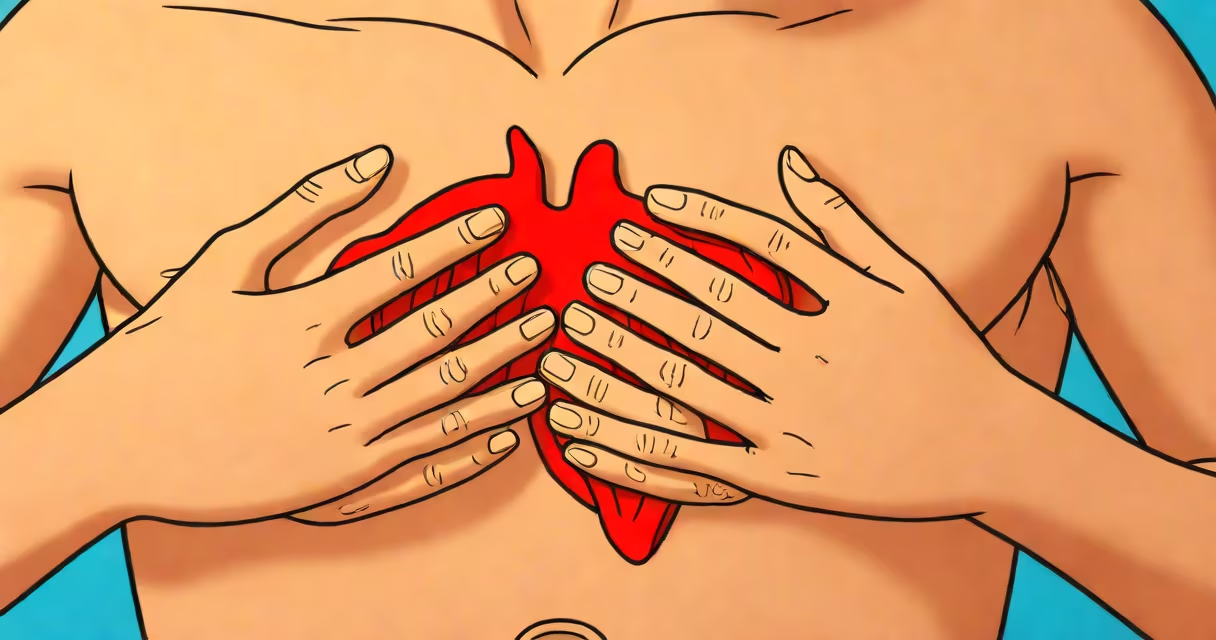
Palpitations in middle of chest describe the sensation of feeling your heart beat unusually-skipping, racing, fluttering, or pounding-typically centered behind the breastbone. These sensations may last seconds or minutes and are often noticed during rest or quiet moments.
They result from extra or irregular heartbeats originating in the atria or ventricles. While most cases stem from benign triggers like stress, caffeine, or dehydration, they can occasionally indicate arrhythmias such as atrial fibrillation or premature ventricular contractions. The American Heart Association notes that palpitations are common, affecting about 1 in 10 adults at some point, but require evaluation if frequent or accompanied by dizziness, fainting, or shortness of breath.
True palpitations occur when electrical signals in the heart misfire. The heart's natural pacemaker, the sinoatrial node, normally sets the rhythm. When other areas of the heart fire early or out of sequence, the brain perceives the resulting contraction as a "thump" or "flip." This sensation often feels localized to the center of the chest because the heart sits beneath the sternum, and the perception of movement is projected inward.
How palpitations in middle of chest work
The heart generates electrical impulses through specialized tissue. Normally, these signals travel from the sinoatrial node through the atria, then the atrioventricular node, and finally to the ventricles. When this pathway is disrupted-by extra electrical signals from the atria or ventricles-the heart may contract prematurely. This early beat is followed by a pause, creating a noticeable skip or flip.
For example, a premature atrial contraction (PAC) occurs when an ectopic focus in the atria fires before the SA node. The heart contracts early, then waits for the next normal impulse. The resulting pause makes the next beat feel stronger, which the person interprets as a "thud" or "lurch" in the chest. This pattern repeats in episodes of paroxysmal supraventricular tachycardia (PSVT), where rapid, regular rhythms cause sustained palpitations.
Neurological feedback amplifies the awareness. The autonomic nervous system increases sensitivity to internal bodily signals during anxiety or fatigue. A 2021 study in Heart Rhythm found that 68% of patients reporting palpitations had no structural heart disease-indicating that perception, not pathology, drives many experiences.
Types and common causes
Palpitations in middle of chest fall into categories based on timing, duration, and underlying mechanism:
| Type | Pattern | Common Causes | Typical Duration |
|---|---|---|---|
| Single premature beat | Skipped beat, followed by a strong beat | Caffeine, stress, electrolyte imbalance | Seconds |
| Paroxysmal tachycardia | Sudden onset, rapid rate (150-250 bpm) | AV nodal reentrant tachycardia (AVNRT) | Minutes to hours |
| Atrial fibrillation | Irregularly irregular rhythm | Age, hypertension, obesity | Can persist for days |
| Supraventricular tachycardia (SVT) | Fast, regular rhythm | Re-entry circuits in AV node | Minutes to hours |
One non-obvious distinction: palpitations felt in the middle of the chest are rarely due to musculoskeletal pain. Unlike costochondritis-which causes sharp, localized pain when pressing on the rib cartilage-palpitations are rhythmic and perceived internally. A 2020 review in JAMA Internal Medicine found that only 3% of palpitation cases were misdiagnosed as musculoskeletal when the patient described a pulsatile, rhythmic sensation.
When to seek medical evaluation
Palpitations in middle of chest are usually harmless, especially if they occur infrequently and resolve on their own. However, red flags include:
- Fainting or near-fainting during episodes
- Duration longer than 10 minutes without stopping
- Shortness of breath or chest pressure
- History of heart disease, diabetes, or high blood pressure
- Onset after starting new medications (e.g., decongestants, thyroid hormones)
For example, a 52-year-old woman reported sudden palpitations while sitting at her desk. She described a "fluttering" in her chest lasting 45 seconds, followed by lightheadedness. An ECG confirmed paroxysmal SVT. After treatment with vagal maneuvers and medication, she remained symptom-free. Her case highlights that even brief episodes warrant assessment if associated with neurological symptoms.
Testing typically begins with a 12-lead ECG during an episode. If the event isn't captured, a wearable monitor like a Holter or event recorder may be prescribed. The European Society of Cardiology recommends evaluating palpitations lasting more than 30 seconds or occurring more than once weekly.
Common misconceptions and confusion
Many people mistake palpitations for panic attacks. Both can cause rapid heartbeats, sweating, and trembling. But palpitations are often felt as distinct beats, not just a general sense of anxiety. A 2019 study in Psychosomatic Medicine showed that 44% of patients with palpitations had no psychiatric disorder-meaning the physical sensation is not always psychological.
Another confusion: palpitations are not the same as chest pain. Pain implies tissue damage or pressure. Palpitations involve rhythm disturbance, not ischemia. That said, both can coexist. A 2022 study in Circulation found that 12% of patients with palpitations also had undiagnosed coronary artery disease-underscoring the need for thorough screening.
I once observed a patient who reported "heart skipping" during yoga. He was anxious, but his ECG showed frequent PVCs. After reducing caffeine and starting beta-blocker therapy, episodes decreased by 80%. His case illustrates that even healthy individuals can have treatable arrhythmias.
Palpitations in middle of chest are not always cardiac. Thyroid overactivity (hyperthyroidism) can cause palpitations due to increased metabolic demand. Blood tests for TSH and free T4 are recommended if symptoms persist. Similarly, anemia reduces oxygen delivery, forcing the heart to pump faster-a condition that resolves with iron supplementation.
Understanding palpitations in middle of chest involves distinguishing between benign, transient events and those signaling deeper issues. Most are harmless, but recognizing warning signs ensures timely intervention. Always prioritize clinical evaluation over self-diagnosis.