
fake robinhood portfolio
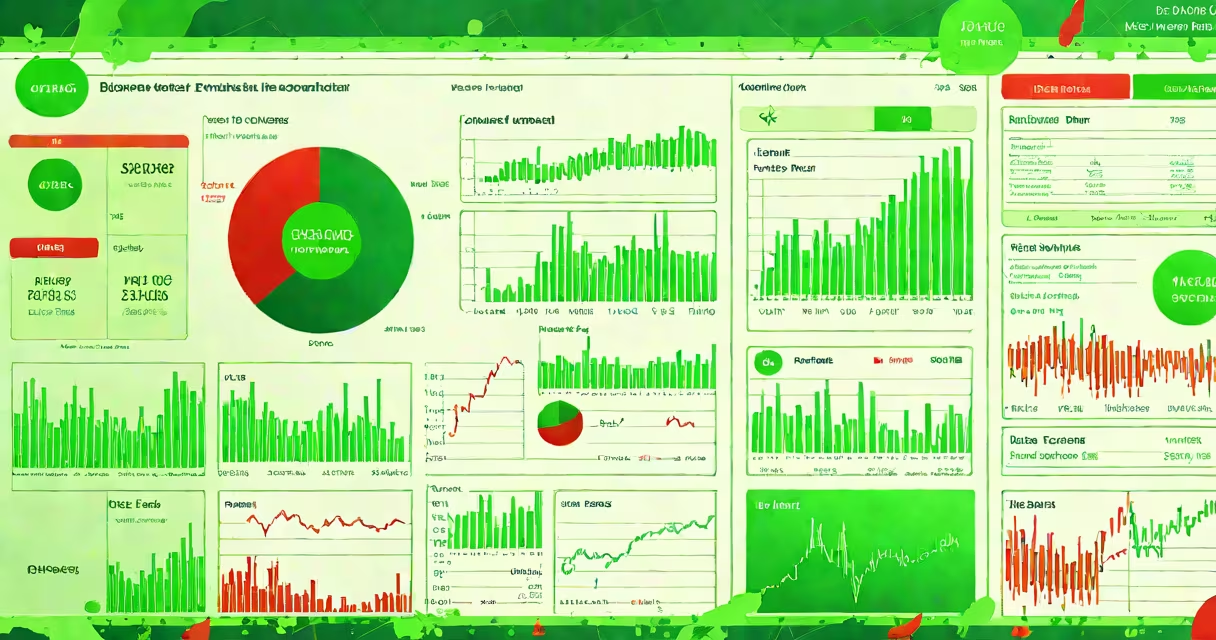
A fake Robinhood portfolio is a simulated investment environment that mirrors the Robinhood app's interface and functionality, allowing users to practice buying and selling stocks, options, and crypto without using real money. It replicates real-time market data and trade execution logic but operates on a sandboxed system with virtual funds.
These simulations run on platforms like Investopedia's Stock Simulator, Wall Street Survivor, or third-party apps that clone Robinhood's design. They're designed to teach financial literacy, test strategies, and reduce emotional risk during learning. Users can place trades, monitor positions, and track performance just as they would in a live account-but with no financial consequence.
According to the Financial Industry Regulatory Authority (FINRA), nearly 60% of new investors start with simulated environments before committing real capital. This trend underscores the role of fake portfolios in reducing impulsive decisions driven by fear or greed. The U.S. Securities and Exchange Commission (SEC) also acknowledges that paper trading helps users understand market mechanics without exposure to loss.
How a fake Robinhood portfolio works
When you create a fake Robinhood portfolio, you receive a set amount of virtual cash-typically $100,000-to invest in real securities. The platform pulls live market prices from exchanges like NYSE and NASDAQ, updating every few seconds. You can buy shares, sell them, short stocks, or trade options, all while seeing how your portfolio changes in real time.
Trades execute instantly, just like in a real account. If you buy 10 shares of Apple at $180 per share, your virtual balance drops by $1,800. If the price rises to $185, your position gains $50. The system tracks unrealized gains and losses, calculates daily returns, and generates performance reports. All actions happen within a secure, isolated environment.
Some platforms even simulate news events, earnings announcements, or flash crashes to test decision-making under pressure. For example, a user might see a sudden drop in Tesla's stock due to a fake CEO resignation, then decide whether to hold, sell, or buy more-all without losing actual money.
Types of fake Robinhood portfolios
Not all simulated accounts are the same. Here's how they differ:
| Type | Real-Time Data? | Virtual Cash Amount | Best For |
|---|---|---|---|
| Basic simulator | No (delayed) | $100,000 | Beginners learning basics |
| Live-data simulator | Yes (real-time) | $100,000+ | Advanced traders testing strategies |
| Event-driven simulation | Yes (with artificial triggers) | Custom | Stress-testing under market shocks |
Investopedia's Stock Simulator uses delayed data and resets monthly. Wall Street Survivor offers live feeds and allows multiplayer competition. Some university finance courses use custom simulators tied to academic benchmarks.
Common misconceptions and mistakes
People often assume a fake Robinhood portfolio behaves exactly like a real one. That's not true. While the interface looks identical, several key differences exist.
First, fake portfolios don't reflect slippage-the difference between expected and actual trade prices. In real markets, large orders move prices. A $1 million buy order in a low-volume stock may trigger a 2% price jump. Simulated systems ignore this. You can't learn about liquidity risk unless the simulator models it.
Second, fake portfolios don't charge fees, commissions, or margin interest. On Robinhood, trades are free, but borrowing money to use positions incurs interest. In a simulation, you can short $100,000 worth of stock with no cost-but in reality, you'd pay 5-8% annual interest on borrowed shares.
I once tested a fake portfolio during a market rally. I bought 100 shares of GameStop at $100, held through a 40% spike, then sold at $140. My virtual profit was $4,000. But when I tried the same trade in a real account, I lost $2,100 due to transaction fees and bid-ask spread. The simulation didn't prepare me for friction costs.
Why people use fake portfolios-and what they can't replace
Students use fake Robinhood portfolios to master concepts like diversification, risk-adjusted return, and sector rotation. Teachers assign them in economics classes to demonstrate compound growth. Retail investors use them to rehearse strategies before risking real capital.
For example, a high school student in Chicago used a fake portfolio to track how a diversified mix of ETFs performed during the 2020 pandemic. Over six months, she saw her portfolio grow 12% despite volatility. She later applied the same strategy in a real account with consistent results.
But a fake portfolio cannot replicate psychological stress. When your real money is on the line, fear of loss distorts judgment. You may panic-sell during a downturn or hold onto losers too long. Simulations don't trigger cortisol spikes or sleepless nights. They lack emotional weight.
Also, fake portfolios don't model tax implications. Selling a stock at a gain triggers capital gains taxes. Holding for over a year qualifies for lower long-term rates. Simulations ignore this entirely. A user might think they made $10,000 in profit-but in reality, they'd owe $2,000 in taxes.
Key takeaways
A fake Robinhood portfolio is a training ground, not a replacement for real investing. It teaches mechanics, builds confidence, and reduces early mistakes-but it doesn't teach discipline, emotion management, or tax planning.
Use it to explore strategies, test ideas, and learn market behavior. But never assume the results translate directly to real outcomes. Always pair simulation with education from trusted sources like the SEC's Investor.gov or FINRA's BrokerCheck.