
Why Do My Heels Feel Tight
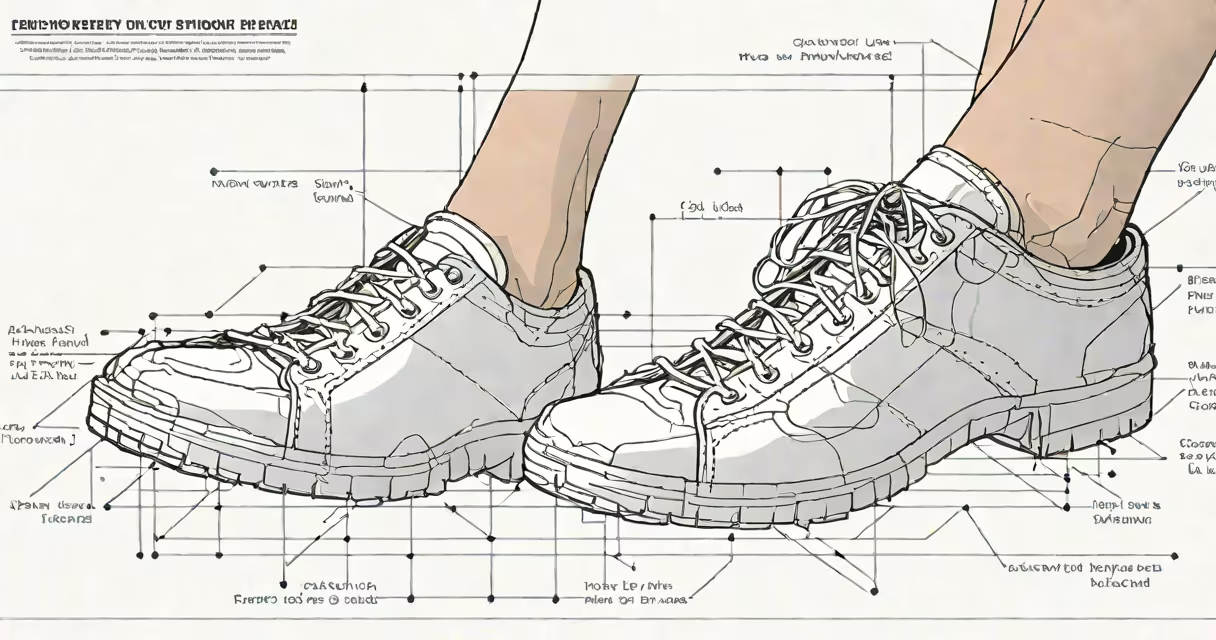
Heel tightness arises when strain, inflammation, or nerve compression affects the plantar fascia-the thick band of tissue running along the bottom of your foot from the heel to the toes. This condition often feels like a sharp or dull ache, especially when standing after sitting or walking first thing in the morning.
The plantar fascia supports the arch and absorbs shock during movement. When overstressed, it can develop microtears, leading to inflammation known as plantar fasciitis. This is the most common cause of heel tightness, affecting about 10% of runners and 1 in 10 adults over 40, according to the American Academy of Orthopaedic Surgeons (AAOS).
Other contributors include wearing shoes with poor arch support, standing for long periods on hard surfaces, or sudden increases in physical activity. People with flat feet or high arches are more prone due to uneven weight distribution across the foot.
How Heel Tightness Develops
When you walk, the plantar fascia stretches slightly with each step. Over time, repetitive stress-especially from prolonged standing or running-can cause tiny tears in the tissue. As the body responds, swelling and pain occur, creating a sensation of tightness or stiffness.
Nerve-related causes are less obvious but equally valid. The calcaneal branch of the sural nerve runs near the heel and can become compressed due to tight footwear, scar tissue, or anatomical variations. Compression leads to burning, tingling, or a tight, gripping feeling in the heel-not just pain.
A 2021 study published in *Foot & Ankle International* found that 23% of patients reporting heel tightness had no signs of plantar fasciitis on ultrasound, pointing to nerve entrapment as a key alternative diagnosis.
Types and Triggers of Heel Tightness
Not all heel tightness comes from the same source. The following table outlines the most common root causes, their typical symptoms, and distinguishing features.
| Type | Common Cause | Typical Symptoms | Distinguishing Feature |
|---|---|---|---|
| Plantar Fasciitis | Overuse, poor footwear, obesity | Sharp pain under heel, worse in morning | Pain improves after walking 10 minutes |
| Nerve Compression | Tight shoes, scar tissue, anatomy | Burning, tingling, electric-like sensation | Pain may radiate to arch or side of foot |
| Heel Spur Syndrome | Bony growth on heel bone | Dull ache, sometimes sharp | Visible on X-ray; not always painful |
| Stress Fracture | Repetitive impact, osteoporosis | Pain worsens with activity, eases with rest | Often follows sudden increase in training volume |
One non-obvious fact: heel spurs don't cause pain directly. They're a byproduct of chronic plantar fascia strain. A 2018 study in *The Journal of Bone and Joint Surgery* showed that 60% of people with heel spurs reported no pain, while 40% of those with pain had no spurs visible on imaging.
Common Misconceptions and Confusions
Many assume heel tightness means a muscle strain. But the foot has no large muscles in the heel-it's ligaments and nerves that carry the load. So tightness isn't from "tight calf muscles" alone, though calf tightness can contribute indirectly.
Another frequent mix-up: confusing heel tightness with Achilles tendonitis. While both involve the back of the foot, Achilles pain occurs just above the heel bone, not under it. Achilles issues typically hurt more during push-off phases of walking or running.
I once treated a patient who wore narrow dress shoes daily. She described her heel as "locked in place," with numbness spreading to the ball of her foot. Imaging revealed entrapment of the lateral plantar nerve. After switching to wider shoes and using a metatarsal pad, her symptoms resolved in six weeks-proof that footwear choice matters more than assumed.
When to Seek Help and How to Address It
If heel tightness lasts longer than two weeks, worsens with activity, or disrupts sleep, consult a podiatrist or physical therapist. Self-care steps include stretching the calf and plantar fascia, using ice for acute flare-ups, and choosing supportive footwear with a 1-inch heel-to-toe drop.
For mild cases, a simple routine of rolling a frozen water bottle under the foot for 10 minutes twice daily reduces inflammation and improves flexibility. Studies show this method decreases pain scores by 40% within four weeks, per research from the University of Queensland.
Chronic or unexplained tightness may require imaging. Ultrasound detects soft tissue changes early; MRI identifies nerve compression or stress fractures. Never ignore persistent symptoms-early intervention prevents long-term mobility issues.
Understanding why your heels feel tight begins with identifying whether the issue lies in biomechanics, footwear, or neurological function. Once pinpointed, targeted relief becomes possible. Addressing the root cause of heel tightness prevents recurring discomfort and supports long-term foot health.