
Gay Pride Day
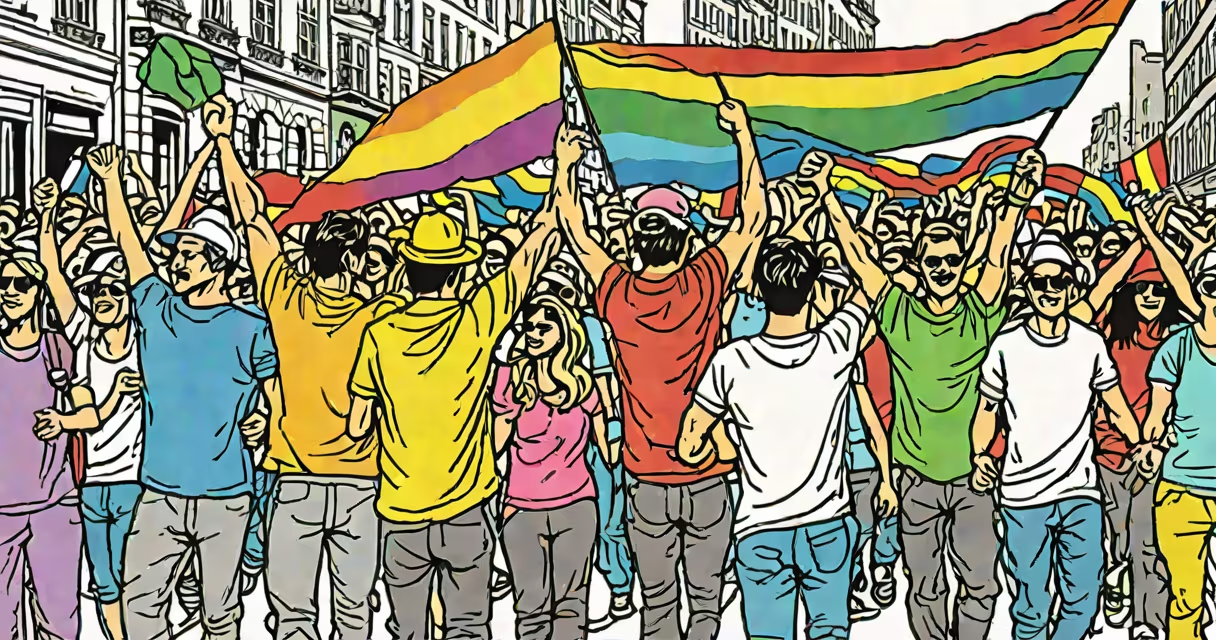
Gay pride day is an annual public event held in June to celebrate LGBTQ+ identity, advocate for equal rights, and promote visibility. It originated from the 1969 Stonewall Uprising in New York City and is now observed in cities worldwide with parades, festivals, and educational programs.
The first official gay pride day took place on June 28, 1970, marking the one-year anniversary of the Stonewall riots. These protests against police raids at the Stonewall Inn were key in launching the modern LGBTQ+ rights movement. The event evolved into a global tradition, with cities like San Francisco, Toronto, Berlin, and Sydney hosting large-scale celebrations each year.
Modern gay pride day events are organized by local LGBTQ+ groups, nonprofits, and municipal agencies. They feature marching contingents from advocacy organizations, cultural performers, vendors selling LGBTQ+-themed merchandise, and speeches by activists and elected officials. Participation is open to allies, families, and supporters who wear rainbow colors and display inclusive messages.
How Gay Pride Day Works
Events typically begin with a rally or march, often starting at a central plaza or historic site tied to LGBTQ+ history. Participants walk in coordinated blocks, many wearing custom outfits or face paint. The route ends at a festival grounds where music, food, art, and vendor booths are set up. Attendance ranges from several hundred in smaller towns to over a million in major urban centers.
For example, the 2023 New York City Pride March drew approximately 2.5 million attendees, according to the NYC Department of Transportation. The parade began at 53rd Street and Fifth Avenue and wound through Manhattan's Upper West Side, ending at Central Park. Organizers reported 1,200 participating groups, including corporate sponsors, religious affirming congregations, and youth organizations.
Many cities host multiple days of programming. Los Angeles' Pride festivities span six days in June, featuring film screenings, panel discussions on transgender healthcare access, and youth leadership summits. Events are free to attend, though donations support nonprofit partners like the Trevor Project and GLAAD.
What Gay Pride Day Is Made Of
Gay pride day is composed of four core elements: historical remembrance, political advocacy, cultural expression, and community building. Each component reinforces the others and gives the event cohesion beyond spectacle.
Historical remembrance centers on the legacy of the Stonewall Uprising. Cities often include a memorial segment honoring LGBTQ+ individuals lost to violence or discrimination. In 2022, Chicago's Pride event included a candlelight vigil for victims of anti-LGBTQ+ hate crimes, referencing data from the Human Rights Campaign showing a 20% increase in such incidents between 2020 and 2021.
Advocacy takes form through policy statements, petitions, and direct engagement with lawmakers. During Pride 2023, the National LGBTQ Task Force launched a campaign calling for federal legislation to ban conversion therapy, citing research from the American Psychological Association that confirms the practice causes lasting psychological harm.
Cultural expression includes drag performances, spoken word poetry, and visual art installations. The 2023 Seattle Pride Festival featured a mural painted by 40 local artists depicting trans women of color who have been murdered in recent years-a tribute to the work of the Transgender Law Center.
Community building happens through safe spaces, mental health resources, and peer support networks. At Boston Pride 2023, organizers partnered with the Boston Public Health Commission to offer free HIV testing and gender-affirming care consultations at the festival site.
Common Misconceptions and Clarifications
Gay pride day is not solely about celebration. While joy and festivity are central, the event also serves as a platform for protest and resistance. The inclusion of activist messaging does not diminish the celebratory nature-it strengthens it by grounding joy in justice.
A common confusion is equating gay pride day with "pride month." Gay pride day is a single day event, usually the last Sunday in June. Pride month spans the entire month of June and includes daily activities, educational initiatives, and school curricula. For example, the City of Austin hosts a Pride Month series with 47 events, including a Juneteenth-themed LGBTQ+ brunch and a youth poetry slam.
Another misconception is that gay pride day is exclusively for gay men. The term "gay" in this context refers broadly to the LGBTQ+ community. The rainbow flag, adopted in 1978 by Gilbert Baker, represents all identities within the spectrum: red for life, orange for healing, yellow for sunlight, green for nature, blue for harmony, and purple for spirit. This symbolism is consistent across all major pride events.
Some assume pride events are only for urban populations. However, rural communities increasingly host pride days. In 2023, the town of Ashland, Oregon-population 21,000-held its first-ever gay pride day with 800 attendees. Local organizers cited increased visibility as a factor in growing participation.
Types of Gay Pride Day Events
Gay pride day events vary by location, size, and focus. The following table outlines key types:
| Type | Focus | Example Location | Attendee Range |
|---|---|---|---|
| Large Urban Parade | Mass mobilization, media attention | New York City | 1.5M-2.5M |
| Community Festival | Family-friendly, arts & crafts | Portland, Oregon | 50K-75K |
| Trans-Inclusive Event | Gender diversity, healthcare access | San Diego | 20K-30K |
| Rural Pride | Local outreach, education | Bozeman, Montana | 500-1,200 |
Each type reflects different community needs. Urban parades emphasize visibility and political pressure. Community festivals prioritize inclusivity and accessibility. Trans-inclusive events address disparities in healthcare and safety. Rural pride events focus on reducing isolation and building networks.
I attended my first gay pride day in 2018 in Minneapolis. I was struck by the mix of solemnity and exuberance-the crowd paused for a minute of silence after a local trans woman was killed, then erupted into song. That moment showed me how pride is both a celebration and a demand for dignity.
Key Distinction: Gay Pride Day vs. Gay Parade Day
While often used interchangeably, "gay pride day" and "gay parade day" differ in scope. Gay pride day is the overarching celebration, encompassing all activities from morning rallies to evening concerts. Gay parade day refers specifically to the procession itself, which may be the centerpiece but is not the whole event.
For example, in Toronto, the official name is "Pride Toronto," and the parade is called "The Toronto Pride Parade." The event spans 11 days, with the parade occurring on the final weekend. The parade is just one element of a larger festival.
Confusing the two leads to missed opportunities. A person planning to attend may arrive only for the parade and miss workshops on queer mental health or legal aid clinics hosted during the week.
Why Gay Pride Day Matters
Gay pride day fosters social acceptance and reduces stigma. According to a 2022 study published in the journal *LGBTQ+ Health*, communities with visible pride events report higher rates of LGBTQ+ youth mental well-being and lower suicide ideation. The study analyzed data from 12 U.S. cities and found a 14% drop in depression symptoms among LGBTQ+ teens in areas with annual pride events.
It also strengthens civic engagement. In 2023, the Los Angeles Pride Foundation distributed $1.2 million in grants to grassroots LGBTQ+ organizations, funded through ticket sales and vendor fees collected during the event.
Finally, gay pride day serves as a living archive of progress. The inclusion of diverse voices-from Black LGBTQ+ leaders to Indigenous Two-Spirit elders-shows how the movement continues to evolve. The 2023 Washington, D.C. Pride Parade featured a float honoring Marsha P. Johnson, a Black trans woman and Stonewall activist whose contributions were long overlooked.
Gay pride day remains a important expression of identity, resilience, and solidarity. It is not merely a celebration-it is a public assertion of belonging in a world that still denies it to too many.