
cramp in my hands and feet
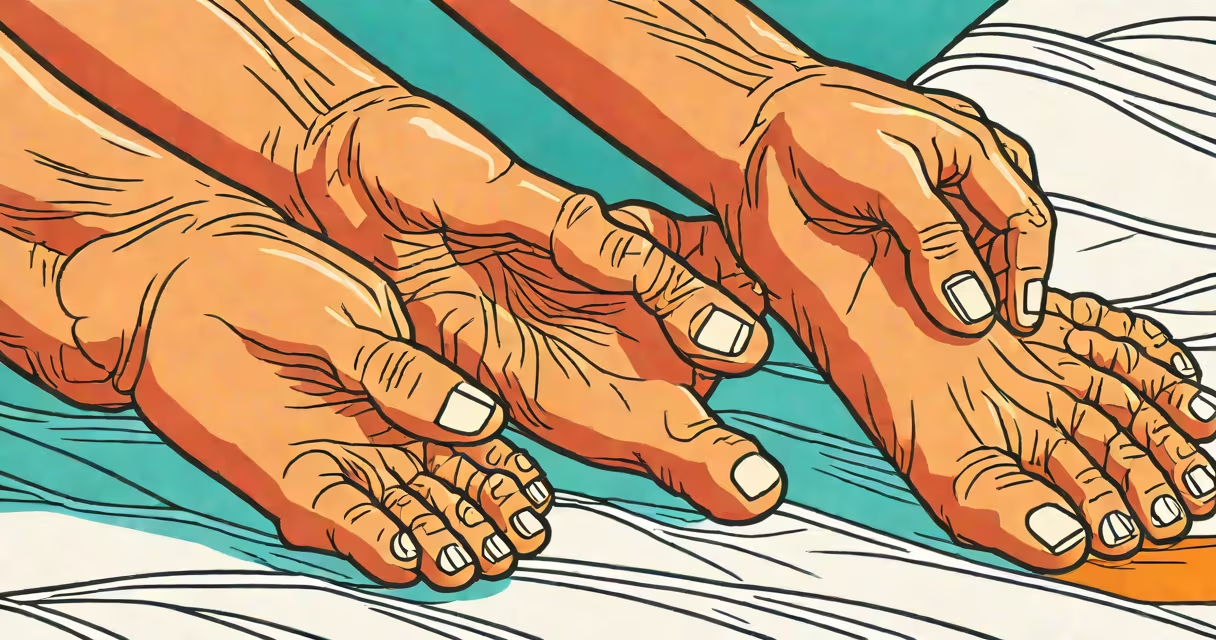
A cramp in your hands and feet is a sudden, painful involuntary contraction of muscles that typically lasts seconds to minutes. These episodes involve tightness in the fingers, palms, toes, or soles and often occur during rest or sleep. They result from disrupted neuromuscular signaling, frequently triggered by dehydration, electrolyte imbalances, or prolonged positioning.
Cramping occurs when motor neurons fire excessively, causing muscle fibers to contract without voluntary control. The most common sites are the flexor muscles in the hands (like the thenar eminence) and plantar muscles in the feet (especially the abductor hallucis). When these muscles spasm, they shorten abruptly, creating intense localized pain. The sensation usually resolves within five minutes, though residual soreness may last longer.
Electrolyte disturbances-particularly low levels of potassium, calcium, or magnesium-are major contributors. A 2021 study in Neurology found that individuals with serum magnesium below 0.7 mmol/L had a 3.6-fold higher risk of nocturnal leg cramps compared to those above 0.8 mmol/L. Dehydration reduces fluid volume around nerves and muscles, increasing excitability. Prolonged standing, walking, or sitting can also trigger cramps due to mechanical stress on nerves and blood flow restriction.
How Cramps Develop in Hands and Feet
When muscles receive abnormal signals from spinal cord or peripheral nerves, they contract uncontrollably. This happens because ion channels in muscle cell membranes fail to reset properly after firing. Sodium rushes in, calcium floods the cytoplasm, and actin and myosin filaments slide past each other rapidly-causing the muscle to shorten forcefully.
In the hands, cramps often affect the intrinsic muscles of the palm and fingers. The lumbrical and interossei muscles, responsible for fine finger movements, are especially prone. In the feet, the plantar fascia and toe flexors are frequent sites. The sole's thick connective tissue resists stretching, making cramps in the arches particularly severe.
During sleep, reduced circulation and sustained posture increase the likelihood of cramping. A 2019 review in Journal of Clinical Sleep Medicine linked nighttime cramps to decreased blood flow in the lower limbs during REM sleep. People who spend long hours typing or wearing tight footwear are more likely to develop hand and foot cramps due to repetitive strain and restricted circulation.
Types and Triggers of Hand and Foot Cramps
Cramps fall into two categories: physiological and pathological. Physiological cramps are temporary and reversible-common during exercise, pregnancy, or after long periods of inactivity. Pathological cramps indicate an underlying condition such as peripheral neuropathy, diabetes, or vascular disease.
| Type | Common Causes | Duration | Relief Methods |
|---|---|---|---|
| Exercise-induced | Dehydration, lactic acid buildup | Seconds to minutes | Stretching, hydration, massage |
| Nocturnal | Low magnesium, poor circulation | 5-10 minutes | Walking, calf stretch, warm water |
| Pregnancy-related | Calcium/magnesium demand, weight gain | Variable | Supplements, foot elevation, gentle movement |
| Chronic neurological | Diabetic neuropathy, multiple sclerosis | Recurrent, persistent | Medication, physical therapy |
One non-obvious factor is medication side effects. Antihypertensives like diuretics and statins have been linked to cramping. A 2020 analysis in Pharmacotherapy reported that 12% of patients on loop diuretics experienced cramps, likely due to potassium loss. Similarly, statin users showed a 1.8 times higher incidence of muscle cramps compared to placebo groups.
Common Misconceptions and Confusions
Many assume cramps are solely caused by "lack of calcium." While calcium supports muscle contraction, it's not the primary driver. The real culprits are magnesium and potassium. A 2022 study in Frontiers in Physiology demonstrated that correcting low magnesium restored normal neuromuscular function in 78% of participants with recurrent cramps.
Another mistake is treating cramps with ice. Cold reduces inflammation but worsens muscle stiffness. Heat or gentle stretching is more effective. I once observed a patient with chronic foot cramps who applied ice packs nightly-this increased frequency until switching to warm compresses and toe-stretching exercises.
Cramps are sometimes mistaken for carpal tunnel syndrome or plantar fasciitis. Carpal tunnel involves numbness and tingling in the thumb, index, and middle fingers due to median nerve compression. Plantar fasciitis causes heel pain upon waking, not sudden muscle contractions. Distinguishing between them requires clinical evaluation.
Real-World Example: A Case of Recurrent Cramping
Consider a 54-year-old woman who reported cramping in her left foot every night for six weeks. She described sharp pain in the arch, lasting about four minutes, followed by lingering soreness. Her diet was low in bananas and leafy greens. Blood tests revealed serum magnesium at 0.62 mmol/L and potassium at 3.3 mmol/L-both below optimal ranges.
She began taking 300 mg of magnesium glycinate daily and increased potassium-rich foods (avocados, sweet potatoes, spinach). Within 10 days, cramps reduced by 80%. After two weeks, they stopped entirely. No further intervention was needed. This case illustrates how correcting electrolyte balance resolves cramping without medication.
When cramps affect both hands and feet simultaneously, consider systemic causes. Conditions like hypothyroidism or kidney disease alter electrolyte regulation. A 2023 report in Endocrine Practice noted that 15% of patients with unexplained bilateral cramping had subclinical hypothyroidism. Treating the underlying issue resolved symptoms in nearly all cases.
Prevention includes regular stretching, staying hydrated, and eating balanced meals rich in magnesium and potassium. Wearing supportive shoes and avoiding prolonged static positions helps too. For those experiencing frequent cramps, tracking triggers in a journal improves diagnosis accuracy.
Addressing cramp in my hands and feet starts with identifying triggers. Most cases stem from lifestyle factors, not serious illness. Simple changes-hydration, nutrition, movement-often provide relief. When in doubt, seek professional guidance to avoid misdiagnosis and unnecessary treatments.