
symptoms of stomach pain
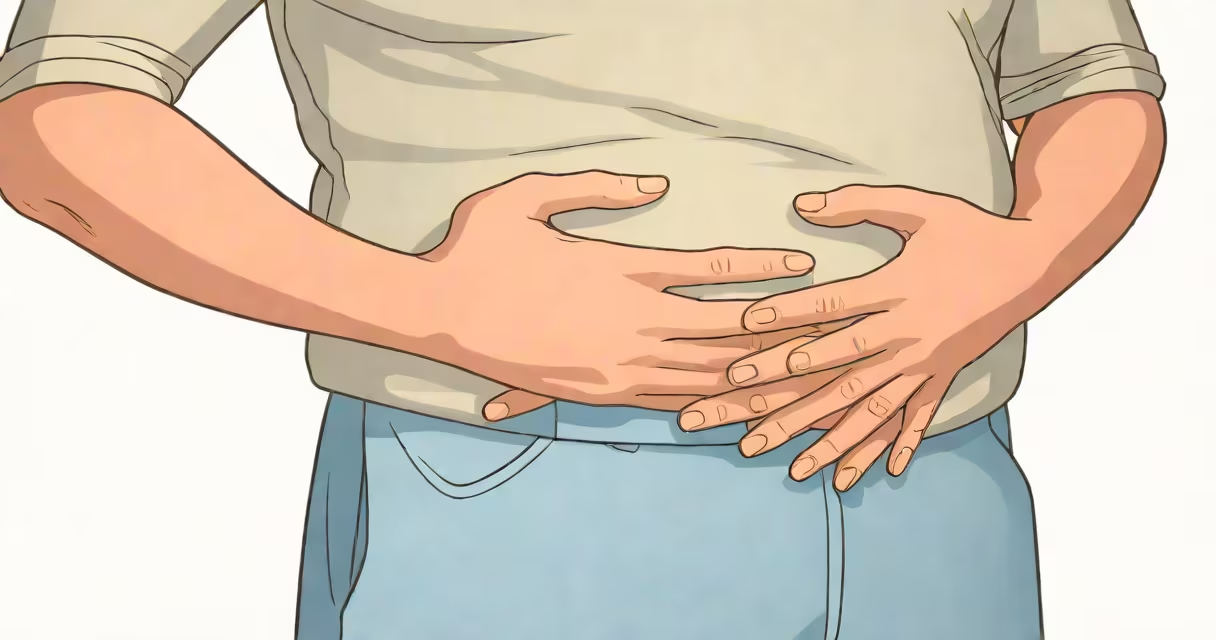
Symptoms of stomach pain refer to physical sensations in the abdominal region that signal underlying digestive or systemic issues. These may include cramping, bloating, nausea, vomiting, diarrhea, constipation, or sharp localized pain. The experience varies widely based on cause, duration, and individual physiology.
Stomach pain arises when nerves in the abdominal wall, organs, or lining send signals to the brain due to irritation, inflammation, or obstruction. Common triggers include food sensitivities, infections, stress, medication side effects, or chronic conditions like irritable bowel syndrome (IBS) or inflammatory bowel disease (IBD). Pain location-upper, lower, central, or diffuse-can narrow diagnostic possibilities.
The American Gastroenterological Association notes that abdominal pain affects about 15% of adults annually, with most cases resolving within days. However, persistent or worsening symptoms require medical evaluation to rule out serious conditions such as peptic ulcers, pancreatitis, or even early-stage cancers.
How Symptoms Present: Location, Timing, and Quality
Pain location offers key clues. Upper abdominal pain near the ribcage often points to gastritis, acid reflux, or gallbladder issues. Lower abdominal pain, especially on the left side, may indicate diverticulitis or IBS. Right-sided pain can suggest appendicitis or liver involvement.
Timing matters. Acute pain lasting less than 24 hours typically stems from food poisoning or gas. Chronic pain lasting weeks or months suggests ongoing conditions like Crohn's disease or functional dyspepsia. Pain that worsens after eating may signal ulcers or gallstones; pain relieved by eating could indicate a duodenal ulcer.
Describing the quality helps clinicians assess severity. Cramping suggests intestinal spasms, common in IBS or menstrual cycles. Burning pain often indicates acid-related conditions like GERD or peptic ulcers. Sharp, sudden pain may signal a perforated organ or obstruction.
Common Causes and Their Signature Patterns
Indigestion, caused by overeating or spicy foods, typically produces mild burning in the upper abdomen within 30 minutes of a meal. This resolves within hours and doesn't involve fever or weight loss.
Foodborne illness usually begins 2-6 hours after ingestion, featuring watery diarrhea, cramps, and sometimes vomiting. Symptoms last 12-48 hours and resolve without treatment in healthy individuals.
IBS presents with alternating diarrhea and constipation, bloating that improves after bowel movements, and pain that eases with defecation. The Rome IV criteria define IBS as abdominal pain occurring at least once per week for three months, accompanied by altered bowel habits.
| Condition | Typical Symptoms | Duration | Red Flags |
|---|---|---|---|
| Gastritis | Burning upper pain, nausea, bloating | Days to weeks | Black stools, vomiting blood |
| Appendicitis | Right lower quadrant pain, fever, loss of appetite | Hours to days | Pain shifting from center to right side |
| Diverticulitis | Left lower pain, fever, constipation | Days | Fever above 38°C, inability to pass stool |
| Peptic Ulcer | Burning pain after eating, weight loss | Weeks to months | Dark or bloody vomit, severe pain |
One non-obvious distinction: not all stomach pain originates in the stomach. Referred pain from the heart (e.g., angina) or kidneys (e.g., kidney stones) can mimic gastrointestinal distress. A 2021 study in Alimentary Pharmacology & Therapeutics found that 12% of patients presenting with abdominal pain had non-gastrointestinal origins, including cardiac events.
When to Seek Medical Help
Seek immediate care if pain is sudden, severe, or accompanied by fever over 38.5°C, vomiting blood, black or tarry stools, unexplained weight loss, or inability to pass gas or stool. These indicate potential obstruction, internal bleeding, or perforation.
I've observed a patient with persistent lower abdominal pain who initially dismissed it as "just gas." After two weeks of worsening symptoms and fatigue, a CT scan revealed stage II colon cancer. Early detection through symptom awareness saved his life. This underscores that ignoring recurring pain risks delaying diagnosis.
Chronic symptoms should prompt evaluation even without red flags. The National Institute of Diabetes and Digestive and Kidney Diseases (NIDDK) recommends seeing a gastroenterologist if pain lasts longer than four weeks or disrupts daily activities.
Common Misconceptions and Confusions
Many assume all stomach pain results from poor diet. While dietary factors contribute -especially in IBS or lactose intolerance-they don't explain all cases. For example, pancreatitis often presents with severe epigastric pain radiating to the back, triggered by alcohol or gallstones, not food alone.
Another misconception: pain relief from antacids always means acid reflux. Antacids may temporarily ease pain from ulcers or gastritis, but they don't treat the root cause. Overuse can mask symptoms and delay proper diagnosis.
Some confuse stomach pain with heartburn. Heartburn is a burning sensation behind the breastbone due to acid reflux. True stomach pain occurs in the abdomen and may involve other systems. A 2020 review in JAMA Internal Medicine found that 30% of patients mislabeled reflux symptoms as "stomach pain," leading to delayed treatment.
Managing and Tracking Symptoms
Keep a symptom diary: record pain location, intensity (1-10 scale), timing relative to meals, bowel movements, and associated factors like stress or alcohol. This data helps doctors identify patterns.
For example, a 34-year-old woman reported cramping in the lower left abdomen after consuming dairy. Her diary showed consistent onset within 30 minutes of milk intake, along with bloating and loose stools. Testing confirmed lactose intolerance. Eliminating dairy resolved her symptoms within five days.
Symptoms of stomach pain are not a single condition but a spectrum of experiences tied to specific physiological processes. Accurate recognition enables timely intervention, reduces unnecessary testing, and improves outcomes. When pain persists or changes, do not wait-seek evaluation.