
How do you say hello in Egyptian Arabic
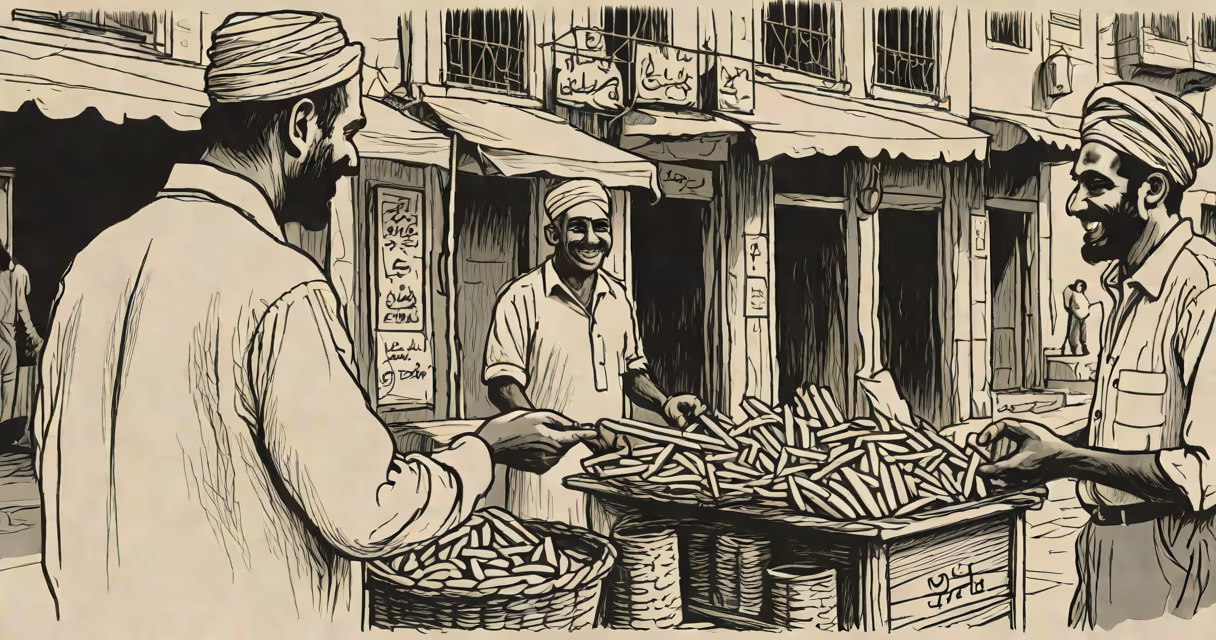
In Egyptian Arabic, "hello" is most commonly said as "ahlan wa sahlan" (أهلاً وسهلاً), a warm, informal greeting used throughout daily interactions. It's pronounced ah-LAN wə SAH-lan, with a soft "w" between the syllables. This phrase is the standard way to greet someone in casual settings across Egypt.
Unlike Modern Standard Arabic, which uses formal phrases like "salam alaykum," Egyptian Arabic reflects regional speech patterns shaped by centuries of trade, migration, and local culture. The phrase "ahlan wa sahlan" is not just a greeting-it signals welcome, familiarity, and ease. It's used when meeting friends, entering shops, or even calling out to neighbors from a distance.
For a shorter version, people often say just "ahlan" (أهلاً), especially in quick exchanges. In formal contexts, such as business meetings or official events, Egyptians may switch to "salam alaykum" to show respect. But in everyday life, "ahlan wa sahlan" dominates.
How It Works in Real Conversation
The phrase "ahlan wa sahlan" functions as both a greeting and an invitation to engage. It's not just a verbal formality-it carries social weight. When someone says it, they're signaling openness, warmth, and readiness to interact. The response is typically the same: "ahlan wa sahlan" back, sometimes repeated twice for emphasis.
Consider this exchange at a market in Alexandria:
Vendor: Ahlan wa sahlan! What do you want?
Customer: Ahlan! I'm looking for fresh mint.
Vendor: Sahlan! Here's some-very fresh.
The rhythm of the conversation shows how "ahlan wa sahlan" creates a shared sense of ease. The repetition reinforces mutual recognition and trust.
Common Variants and Regional Nuances
While "ahlan wa sahlan" is standard across Egypt, regional accents slightly alter pronunciation. In Upper Egypt (near Aswan), the "a" sound in "ahlan" becomes more drawn out, almost like "ahh-lan." In urban Cairo, the phrase is spoken quickly, with a clipped ending.
Other common variants include:
- Marhaba (مرحبًا) - A widely understood greeting across the Arab world, including Egypt. It's neutral and polite, often used in formal or mixed company.
- Ya habibi (يا حبيبي) - Literally "my love," used affectionately among close friends or family. Not suitable for strangers.
- Walaikum assalam (ولكم السلام) - The standard Islamic response to "salam alaykum," used in religious or conservative settings.
A table comparing common greetings:
| Greeting | Pronunciation | Usage Context | Formality Level |
|---|---|---|---|
| ahlan wa sahlan | ah-LAN wə SAH-lan | Everyday conversation, markets, streets | Informal |
| marhaba | mer-HAH-ba | General use, public spaces | Moderate |
| ya habibi | yah HA-bee-bee | Among friends, lovers, family | Intimate |
One non-obvious fact: "ahlan wa sahlan" is not just a greeting-it's a linguistic marker of belonging. In rural villages, elders may respond to a stranger's "ahlan" with "sahlan" alone, showing acceptance without full reciprocity. This subtle variation reveals how deeply embedded the phrase is in social hierarchy and trust-building.
Where and Why It's Used
People in Egypt use "ahlan wa sahlan" in nearly every social interaction. It appears in taxi rides, restaurant orders, school classrooms, and even phone calls. A taxi driver might say, "Ahlan ya sir! Where to?" upon seeing a passenger approach.
Businesses often train staff to use it. In a café in Giza, a barista greeted me with "Ahlan wa sahlan!" before asking for my order. The phrase wasn't just polite-it was expected. Using it correctly signaled that I respected local norms.
Even in digital communication, the phrase persists. Text messages between friends often begin with "ahlan!" or "ahlan wa sahlan!"-not because it's required, but because it feels natural. It's part of the rhythm of Egyptian social life.
Common Confusions and Corrections
Many learners confuse "ahlan wa sahlan" with "salam alaykum" because both are Arabic greetings. But they differ in origin and usage. "Salam alaykum" is rooted in religious tradition and used in formal or Islamic settings. "Ahlan wa sahlan" is secular, regional, and tied to Egyptian identity.
Another mistake: thinking "ahlan" means "hello" in isolation. While it's acceptable in rapid speech, using only "ahlan" with strangers can seem abrupt. Adding "wa sahlan" completes the gesture and shows politeness.
Also, avoid using "ya habibi" with strangers or in professional settings. It's intimate and can be misinterpreted. In a job interview, saying "ya habibi" would be inappropriate-even if you're fluent.
Firsthand Experience: Learning in Cairo
I spent two weeks in Cairo learning basic Egyptian Arabic. On my third day, I tried to order tea at a small kiosk near Tahrir Square. I said, "Marhaba, shu b2a?" (Hello, what's the price?). The vendor smiled and replied, "Ahlan wa sahlan! Two piastres." I didn't know the word for "tea" yet, but the greeting bridged the gap. He didn't correct me-he accepted my effort. That moment taught me that "ahlan wa sahlan" isn't just language-it's permission to belong.
Mastering "how do you say hello in Egyptian Arabic" means more than memorizing words. It means understanding how people build connection through sound, rhythm, and shared expectation. The phrase "ahlan wa sahlan" is not just a greeting-it's a doorway.