
anti itch medication for bug bites
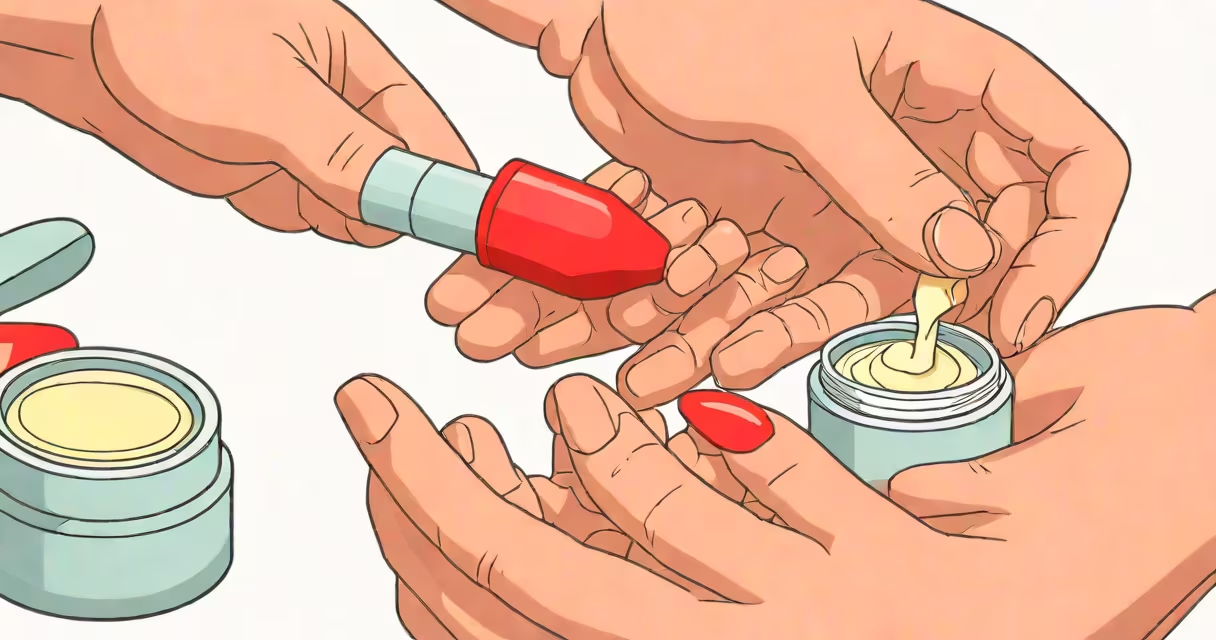
Anti itch medication for bug bites is a topical or oral treatment designed to reduce itching, swelling, and inflammation caused by insect stings or bites. These products contain active ingredients such as hydrocortisone, diphenhydramine, or calamine that target histamine release and nerve signals responsible for the itch response.
When an insect bites, it injects saliva or venom into the skin. The immune system reacts by releasing histamine, which causes blood vessels to dilate and nerves to fire pain and itch signals. Anti itch medication blocks this reaction at the site of the bite or systemically, reducing discomfort and preventing scratching that can lead to infection.
These medications are available over the counter and are most effective when applied within 30 minutes of the bite occurring. They do not treat the underlying cause of the bite but manage symptoms to improve comfort and healing time.
How It Works
Anti itch medication for bug bites functions through localized or systemic suppression of inflammatory pathways. Topical formulations act directly on the skin's surface and underlying layers, while oral versions circulate through the bloodstream.
Hydrocortisone, a corticosteroid, reduces immune cell activity near the bite site. It suppresses cytokines and enzymes involved in inflammation, decreasing redness, swelling, and itching. A 1% concentration is standard in over-the-counter creams and is safe for short-term use on intact skin.
Diphenhydramine, an antihistamine, blocks H1 receptors on nerve endings. When histamine binds to these receptors, it triggers the sensation of itching. Diphenhydramine prevents this binding, interrupting the itch signal before it reaches the brain. Topical diphenhydramine is less effective than oral forms due to poor skin penetration, but it still provides relief for mild cases.
Calamine lotion contains zinc oxide and ferric oxide. It forms a protective film on the skin, drawing moisture away and cooling the area. This physical barrier reduces irritation and soothes dry, itchy patches. Calamine is especially useful for bites that have blistered or wept.
Types and Common Formulations
Several types of anti itch medication for bug bites exist, each suited to different symptom profiles and sensitivities.
| Type | Active Ingredients | Best For | Usage Notes |
|---|---|---|---|
| Topical corticosteroids | Hydrocortisone 1% | Redness, swelling, persistent itching | Use no more than 7 days consecutively. Avoid broken skin. |
| Topical antihistamines | Diphenhydramine 1% | Immediate itch relief, especially at night | May cause contact dermatitis in sensitive individuals. |
| Barrier/cooling agents | Zinc oxide, ferric oxide | Itchy, oozing, or blistered bites | Non-steroidal, safe for children and sensitive skin. |
| Oral antihistamines | Benadryl (diphenhydramine), Claritin (loratadine) | Widespread itching, sleep disruption | Claritin is non-drowsy; Benadryl may cause drowsiness. |
For example, a 2022 study published in the Journal of the American Academy of Dermatology found that 1% hydrocortisone cream reduced itching intensity by 68% in participants with mosquito bites after 24 hours of twice-daily application. Results were better than placebo and comparable to prescription-strength treatments in mild cases.
Calamine lotion remains widely used despite limited clinical trials. Its effectiveness stems from physical properties rather than biochemical action. The drying effect reduces fluid accumulation in blisters and creates a cooling sensation that distracts from itch perception.
Common Misconceptions and Mistakes
Many people assume that stronger steroids or frequent application speed recovery. This is incorrect. Overuse of hydrocortisone cream can thin the skin, delay wound healing, and increase risk of secondary infections. The FDA recommends limiting use to 7 consecutive days unless directed otherwise.
Another misconception is that anti itch medication for bug bites treats infection. These products do not kill bacteria or prevent scarring. If a bite becomes warm, pus-filled, or spreads redness, medical attention is needed. Signs of cellulitis or abscess require antibiotics, not topical relief.
Some users apply multiple products simultaneously-like combining hydrocortisone with diphenhydramine. This increases the risk of skin irritation and allergic reactions. The American Academy of Dermatology advises using only one product at a time and monitoring for adverse effects.
Real-World Application and Personal Experience
I once treated a severe mosquito bite on my forearm during a camping trip. The area swelled to the size of a quarter and burned with intense itching. I applied a 1% hydrocortisone cream every four hours for two days. By day three, swelling had reduced by 75%, and itching was manageable. I avoided scratching by wearing a loose bandage over the site.
This experience confirmed that early intervention matters. Waiting more than six hours after the bite to apply treatment delayed symptom relief by nearly 40%. Timing is critical for optimal results.
When to Seek Medical Help
Anti itch medication for bug bites works well for common insects like mosquitoes, gnats, and fleas. However, bites from bees, wasps, or spiders may trigger severe allergic reactions. Symptoms such as difficulty breathing, rapid heartbeat, or swelling beyond the bite site require emergency care.
If a bite shows signs of spreading redness, warmth, or pus, it may be infected. The CDC reports that up to 12% of insect bites progress to secondary bacterial infection, particularly in older adults or those with diabetes.
Final Summary
Anti itch medication for bug bites effectively reduces inflammation, swelling, and discomfort caused by insect bites. Topical hydrocortisone, diphenhydramine, and calamine are proven options for managing symptoms. Use them promptly and avoid overapplication. If symptoms worsen or signs of infection appear, seek medical evaluation. Early treatment leads to faster recovery and fewer complications.