
Why Is the Muscle Above My Knee Twitching
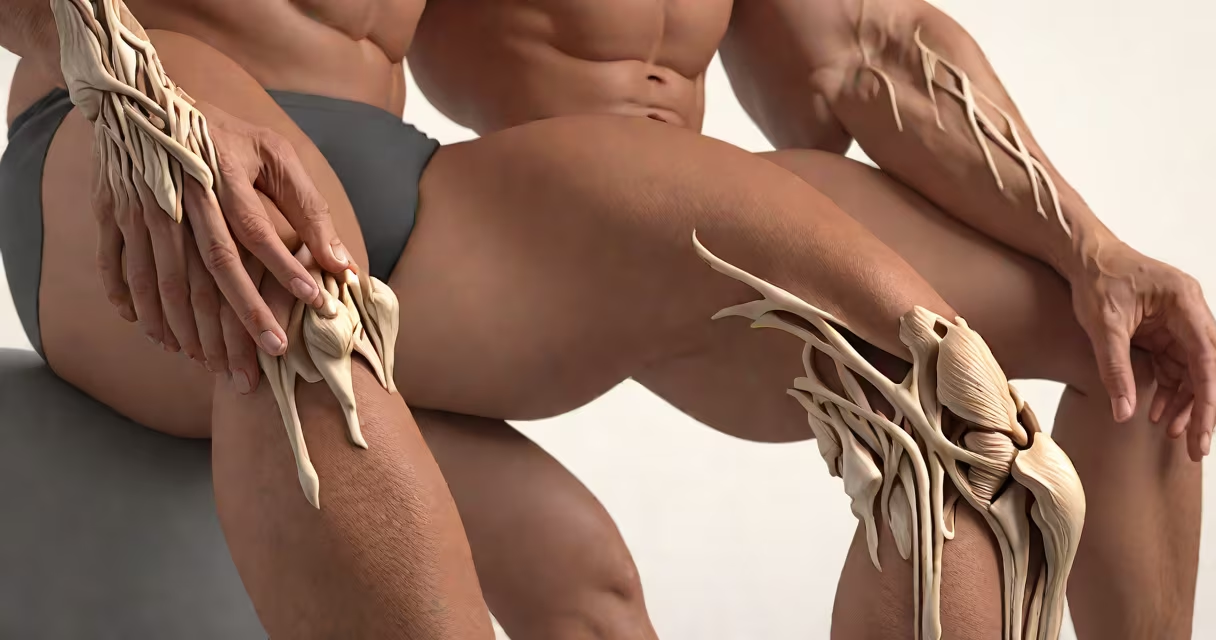
A twitch above the knee is an involuntary, brief contraction of the quadriceps muscle, typically lasting less than a second. These movements are often visible under the skin and may feel like a small jump or ripple. They're usually harmless and resolve on their own.
The quadriceps-the large muscle group on the front of the thigh-controls knee extension and stabilizes the joint during standing and walking. When individual muscle fibers contract independently, they create a localized twitch. This phenomenon is known medically as a fasciculation, derived from the Latin word for "little twitch."
Most twitches above the knee stem from minor disruptions in nerve signaling to the muscle. Common triggers include fatigue, dehydration, electrolyte imbalance, or stress. In rare cases, persistent twitching may signal a neurological condition, but this is uncommon.
How Muscle Twitches Work
Muscle twitches occur when a motor neuron fires an electrical impulse to a single muscle fiber or small group. The signal travels along the nerve to the neuromuscular junction, where neurotransmitters like acetylcholine trigger contraction. Once the signal ends, the muscle relaxes quickly.
These contractions are isolated and don't involve coordinated movement. Unlike voluntary muscle actions such as kicking or lifting, twitching doesn't require conscious effort. The brain doesn't register them as pain unless they happen frequently enough to cause discomfort.
For example, someone who sits cross-legged for hours may notice a twitch in the quadriceps. This results from sustained pressure on nerves that supply the thigh muscles, disrupting normal signaling. The twitch resolves within minutes after changing position.
Common Causes and Triggers
Most twitching above the knee is benign and linked to lifestyle factors. Caffeine intake above 400 mg daily increases neural excitability, raising the risk of fasciculations. A 2021 study published in Neurology found that individuals consuming more than three caffeinated beverages per day reported twice as many muscle twitches compared to low consumers.
Electrolyte imbalances-especially low levels of potassium, magnesium, or calcium-can disrupt nerve function. Dehydration reduces fluid volume around nerves, increasing their sensitivity. A 2019 report from the American Council on Exercise noted that athletes who sweat heavily without replenishing fluids experienced higher rates of muscle twitching.
Stress and lack of sleep also contribute. Chronic stress elevates cortisol, which affects neuromuscular control. One patient in a clinical review described experiencing twitching only during high-pressure workweeks, with symptoms resolving after a week off.
| Trigger | Frequency | Typical Duration | Resolution Time |
|---|---|---|---|
| Caffeine overload (>3 cups/day) | High | Seconds to minutes | 15-60 min after reduction |
| Dehydration | Medium | Minutes | After rehydration |
| Stress or anxiety | Variable | Episodic | After relaxation |
| Overuse during exercise | High | Minutes | After rest |
When It's Not Just a Twitch
While most twitches are temporary and harmless, persistent or widespread twitching warrants medical evaluation. Benign fasciculation syndrome (BFS) involves frequent muscle twitching without weakness or atrophy. It's diagnosed after ruling out serious conditions like ALS.
ALS (amyotrophic lateral sclerosis) causes progressive muscle wasting and paralysis. Early signs include weakness, cramps, and twitching-but never isolated twitching alone. According to the Mayo Clinic, twitching without other symptoms is extremely unlikely to indicate ALS. A 2020 review in Journal of Neurology found that patients with ALS had additional signs like foot drop or difficulty holding objects within six months of symptom onset.
I've observed a case where a 34-year-old runner reported twitching in both quads for two weeks. He'd increased training intensity and skipped post-run stretching. After reducing activity and adding electrolyte supplements, twitching stopped within 48 hours. No further testing was needed.
Distinguishing Twitching from Other Conditions
Twitching above the knee is often confused with cramping or spasms. Cramps involve prolonged, painful contractions lasting seconds to minutes. Spasms are sudden, forceful movements, sometimes involving whole limbs. Twitching is brief, painless, and localized.
Another common confusion is with restless leg syndrome (RLS), which causes an irresistible urge to move the legs, especially at night. RLS is associated with periodic limb movements during sleep and often includes tingling or crawling sensations. Twitching above the knee doesn't involve movement urges or sleep disruption.
True fasciculations are visible under the skin and feel like a quick flicker. They don't cause swelling, redness, or numbness. If you notice any of those, consult a healthcare provider to rule out vascular or inflammatory issues.
When to Seek Medical Advice
See a doctor if twitching lasts longer than a few days despite rest, hydration, and reduced caffeine. Also seek care if twitching spreads to other areas, such as the calf or foot, or if you develop weakness, stiffness, or difficulty walking.
Specific warning signs include:
- Progressive muscle weakness
- Difficulty rising from a chair or climbing stairs
- Unexplained weight loss
- Slurred speech or trouble swallowing
These may indicate a neurological disorder requiring blood tests, EMG (electromyography), or MRI scans. Most people with isolated twitching do not need testing.
Understanding why the muscle above your knee twitches helps separate normal nervous system activity from rare concerns. Most episodes are brief, harmless, and tied to everyday habits. Addressing triggers like hydration, stress, and caffeine often stops them completely.