
Can dust mites cause hives
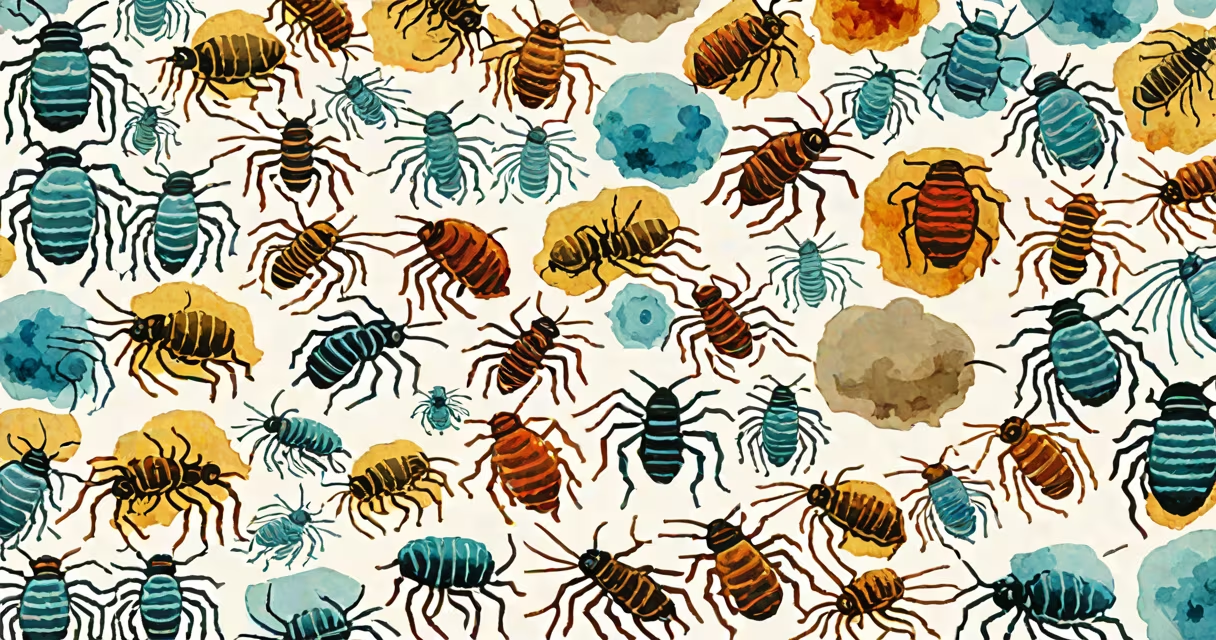
Dust mites themselves do not cause hives, but their fecal particles and body fragments contain potent allergens that can trigger an IgE-mediated immune response leading to hives in susceptible people.
Hives-raised, red, itchy welts on the skin-are a sign of systemic allergic reaction. They occur when the immune system overreacts to a perceived threat. Dust mite allergens, particularly the protein Der p 1 found in their waste, are among the most common indoor triggers for such responses. When inhaled or contacted, these allergens bind to IgE antibodies on mast cells, causing rapid histamine release and inflammation.
The American Academy of Allergy, Asthma & Immunology (AAAAI) confirms that airborne allergens from dust mites are linked to both respiratory symptoms and cutaneous reactions like urticaria (hives). A 2021 study published in Journal of Allergy and Clinical Immunology found that 32% of patients with chronic hives had elevated IgE levels specific to dust mite allergens, compared to 8% in control groups.
How dust mite allergens trigger hives
Dust mites thrive in warm, humid environments-bedding, upholstered furniture, and carpets are prime habitats. They feed on dead skin cells shed by humans. Their bodies and droppings break down into microscopic particles that remain airborne for long periods.
When inhaled, these particles reach the respiratory tract and nasal passages. In sensitized individuals, immune cells recognize dust mite proteins as foreign invaders. This activates B cells to produce IgE antibodies specific to Der p 1, Der f 1, and other major allergens. These antibodies attach to Fcε receptors on mast cells, priming them for activation.
Upon re-exposure, cross-linking of IgE molecules triggers mast cell degranulation. Within minutes, histamine, tryptase, and other mediators flood surrounding tissues. Histamine increases blood vessel permeability, allowing fluid to leak into the skin and form hives. The process can also cause swelling, itching, and in rare cases, angioedema.
Types of reactions and distinguishing features
Dust mite-related hives differ from other causes in timing and context. Unlike food-induced hives, which often appear within 1-2 hours of ingestion, dust mite hives may develop gradually over several hours or days. They frequently worsen at night or during sleep due to increased exposure in bed environments.
Common patterns include:
- Chronic hives: Lasting more than six weeks, often triggered by persistent allergen exposure. A 2019 study in Clinical & Experimental Allergy reported that 18% of chronic urticaria patients showed positive skin prick tests to dust mite extract.
- Acute hives: Appear suddenly after high-level exposure-such as cleaning a dusty closet or moving into a new home with old bedding.
- Localized vs. generalized: Some people develop hives only on exposed areas like arms or face, while others have widespread rashes.
A key distinction: dust mite hives rarely cause fever, joint pain, or fatigue-symptoms more typical of infections or autoimmune conditions. If hives appear alongside wheezing, swelling of lips/tongue, or difficulty breathing, seek emergency care. That combination suggests anaphylaxis, though it's extremely rare from dust mites alone.
Common misconceptions and corrections
Many assume dust mites directly bite or sting, causing skin irritation. This is false. Dust mites do not bite humans. Their presence is detected only through allergic reactions to their waste products. The misconception persists because symptoms like itching and rash resemble insect bites.
Another error is equating all skin rashes with dust mite allergies. Contact dermatitis from laundry detergents or fabric softeners can mimic hives. However, unlike dust mite-triggered hives, those reactions usually resolve quickly after changing products and do not recur unless re-exposed.
Dust mite allergens are not destroyed by standard laundering. Washing bedding at 130°F (54°C) kills mites but doesn't eliminate allergenic proteins. The Environmental Protection Agency (EPA) notes that heat treatment is effective against live mites, but allergens persist even after killing the organisms.
Real-world example: Identifying the trigger
In 2020, a 34-year-old woman presented to an allergist with recurring hives lasting over eight weeks. She reported no new foods, medications, or pets. Her bedroom had carpeting and old feather pillows. Skin testing revealed strong reactivity to dust mite extract (prick test wheal diameter: 12 mm).
After replacing bedding with dust mite-proof encasings and using a HEPA air purifier, her hives resolved within four weeks. Blood tests confirmed elevated serum-specific IgE to Der p 1. The patient had no history of asthma or eczema, confirming that hives were isolated to the allergen exposure.
This case illustrates that dust mite allergens can trigger hives independently of other allergic conditions. It also shows that environmental control is often sufficient to manage symptoms without medication.
Diagnosis and management options
If hives occur repeatedly in the same environment-especially bedrooms or living rooms-consider dust mite allergy. Diagnosis begins with a detailed history and physical exam. Skin prick testing or blood tests (specific IgE) confirm sensitivity.
For mild cases, reducing exposure is the primary strategy. Use allergen-impermeable mattress and pillow covers. Wash sheets weekly in hot water (>130°F). Maintain indoor humidity below 50%. Use a vacuum with a HEPA filter.
For persistent or severe hives, antihistamines are first-line treatment. Non-sedating options like cetirizine (Zyrtec) or loratadine (Claritin) reduce itching and swelling. In refractory cases, a doctor may prescribe short-term oral corticosteroids or refer for immunotherapy.
Immunotherapy-either subcutaneous or sublingual-targets the root cause by desensitizing the immune system. A 2022 meta-analysis in Allergy found that sublingual dust mite immunotherapy reduced symptom scores by 60% over 12 months. It's not a cure, but it reduces reliance on daily medication.
Key takeaway
Dust mites do not cause hives directly. But their allergens can initiate a chain reaction in the immune system that results in hives. The condition is treatable through environmental control, medication, and targeted therapy. Recognizing the link between chronic hives and indoor allergens like dust mites prevents unnecessary diagnostic delays.