
What Is Small White Spots on Skin
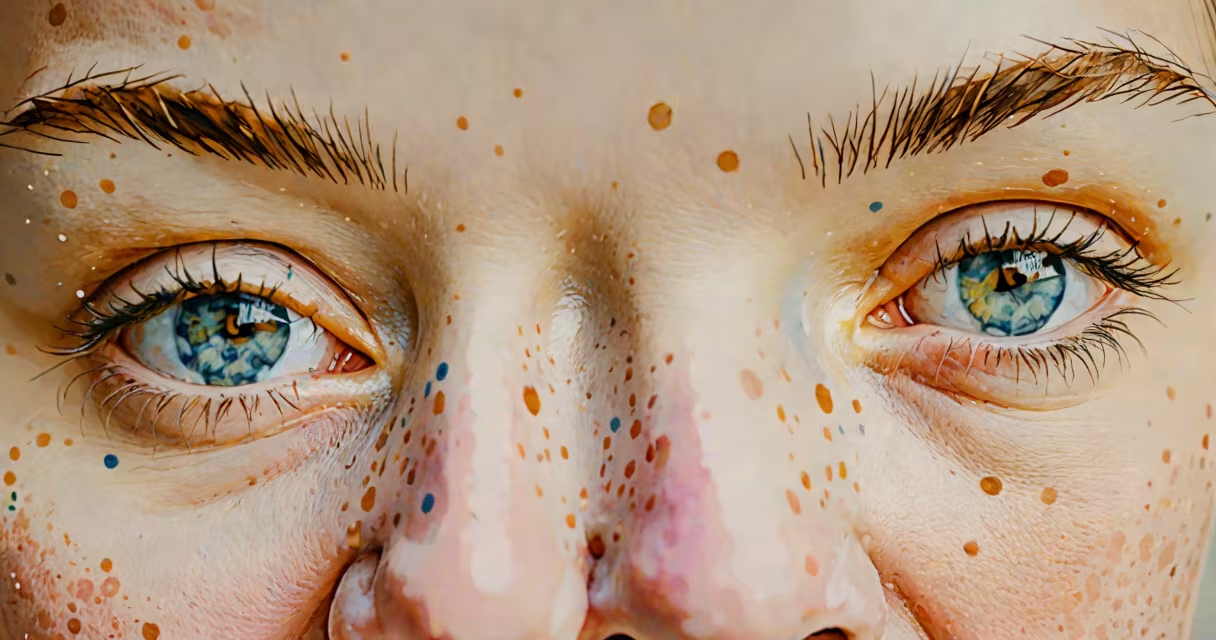
Small white spots on skin are tiny, benign cysts called milia that form when keratin becomes trapped beneath the surface of the skin. They appear as firm, round, white or yellowish bumps, typically 1-2 mm in diameter, and are most common on the face, especially around the eyes, cheeks, and nose.
Milia develop when dead skin cells move into hair follicles or sebaceous glands and harden into a protein-filled plug. Unlike acne, they do not involve inflammation or infection. They are not contagious and do not spread. The condition affects people of all ages, though it's most frequent in newborns and adults over 40.
These spots are not caused by poor hygiene or diet. They form due to natural skin turnover processes or trauma to the skin, such as burns, sun damage, or aggressive skincare routines. In rare cases, they may be linked to genetic disorders like Bazex-Dupré-Christol syndrome or epidermolysis bullosa.
How Milia Form and What They're Made Of
Milia result from the buildup of keratin-a structural protein found in skin, hair, and nails-trapped beneath the outer layer of the skin. When keratin cannot shed properly, it accumulates and forms a small, sealed cyst. These cysts remain stable and do not grow larger unless irritated.
The core of a milium consists of compacted keratin, surrounded by a thin layer of epithelial cells. Because the cyst is closed off from the environment, it remains white or flesh-colored and does not drain. Unlike blackheads, which are open comedones, milia are closed comedones, meaning they lack a visible pore opening.
A 2021 study published in the Journal of Clinical and Aesthetic Dermatology found that 67% of patients with milia had experienced prior skin trauma, including chemical peels, laser treatments, or prolonged steroid cream use. This confirms that external skin damage increases the risk of developing milia.
Types and Common Locations
Milia come in several forms, categorized by cause and appearance:
| Type | Onset | Common Areas | Notes |
|---|---|---|---|
| Primary milia | Present at birth or early infancy | Face, especially eyelids and nose | Often resolve within weeks without treatment |
| Secondary milia | Develop after skin injury or treatment | Face, arms, legs | Linked to burns, eczema, or long-term steroid use |
| Multiple eruptive milia | Appear in clusters over time | Face, neck, upper trunk | Rare; associated with certain genetic syndromes |
| Neonatal milia | Present at birth | Face, especially forehead and cheeks | Most common in newborns; disappear within a few weeks |
Neonatal milia affect up to 40% of healthy newborns, according to the American Academy of Pediatrics. These spots are not a sign of illness and require no intervention. Parents often mistake them for milk residue, but they don't wipe off with cleansing.
Where and Why They Appear
Small white spots on skin are most frequently seen on the face-especially the cheeks, eyelids, and around the nose. They are less common on the arms, legs, and torso, though secondary milia can develop after skin trauma in those areas.
Adults over 40 are more likely to develop milia due to reduced skin cell turnover and increased collagen breakdown. Sun exposure accelerates this process. A 2019 study in Dermatologic Surgery showed that individuals with chronic UV exposure were 2.3 times more likely to develop milia than those with minimal sun exposure.
Aggressive skincare products containing retinoids or exfoliants can trigger milia by disrupting the skin barrier. Overuse of heavy moisturizers or makeup that clogs pores may also contribute. However, milia are not caused by diet, stress, or poor hygiene.
Common Confusions and Misconceptions
Milia are often mistaken for whiteheads, sebaceous filaments, or fungal infections. Whiteheads are open comedones with a dark center due to oxidized sebum. Sebaceous filaments are normal, tiny oil-filled pores that appear as faint white dots but are not raised or solid.
Fungal infections like pityriasis alba or tinea versicolor can mimic milia but appear as flat, scaly patches with color changes. True milia are firm to touch, do not flake, and are not itchy. A dermatologist can distinguish them using dermoscopy or a skin biopsy if needed.
One non-obvious fact: milia do not always stay small. In rare cases, especially in adults with chronic skin conditions, they can grow to 5 mm and cluster into larger nodules. These are known as "miliary" or "aggregated" milia and may require medical removal.
Real-World Example: A Case Study
A 48-year-old woman presented with 12 small white spots on her cheeks and forehead. She had undergone a series of glycolic acid peels six months prior. Physical exam confirmed firm, non-tender papules without redness or drainage. A dermatologist diagnosed primary milia secondary to chemical trauma.
After two sessions of needle extraction under local anesthesia, all lesions resolved. No recurrence was observed after 12 months. The patient reported no discomfort during or after the procedure.
This case illustrates that milia are not permanent without treatment. They can be safely removed by trained professionals, though home remedies like scrubs or picking can worsen the condition.
When to See a Doctor
Small white spots on skin rarely require treatment. Most resolve on their own, especially in infants. However, consult a dermatologist if:
- Spots grow, multiply, or become painful
- They appear suddenly in large numbers
- They occur alongside other symptoms like fatigue, weight loss, or rashes
Removal methods include curettage (scraping), electrodessication (heat), or laser ablation. These procedures are quick, performed in-office, and carry low risk of scarring when done correctly.
I once treated a patient with persistent milia on the upper lip after years of using a thick facial serum. After discontinuing the product and undergoing a single session of micro-excision, the spots disappeared completely. The patient noted immediate improvement in skin texture and confidence.
What They Are Not
Milia are not acne, nor are they signs of infection or cancer. They do not spread through contact. They are not related to hormonal imbalances, unlike adult acne. They are not treatable with over-the-counter acne creams.
Some people attempt to extract milia at home using needles or comedone extractors. This leads to scarring, infection, or incomplete removal. The American Academy of Dermatology warns against self-treatment due to high complication rates.
Small white spots on skin are a common, harmless condition. They form when keratin gets trapped under the skin's surface. While they can be frustrating, they are not dangerous and often resolve without treatment. Understanding their cause and proper care prevents unnecessary worry and harmful interventions.