
Why Do I Have Gnats in My Room
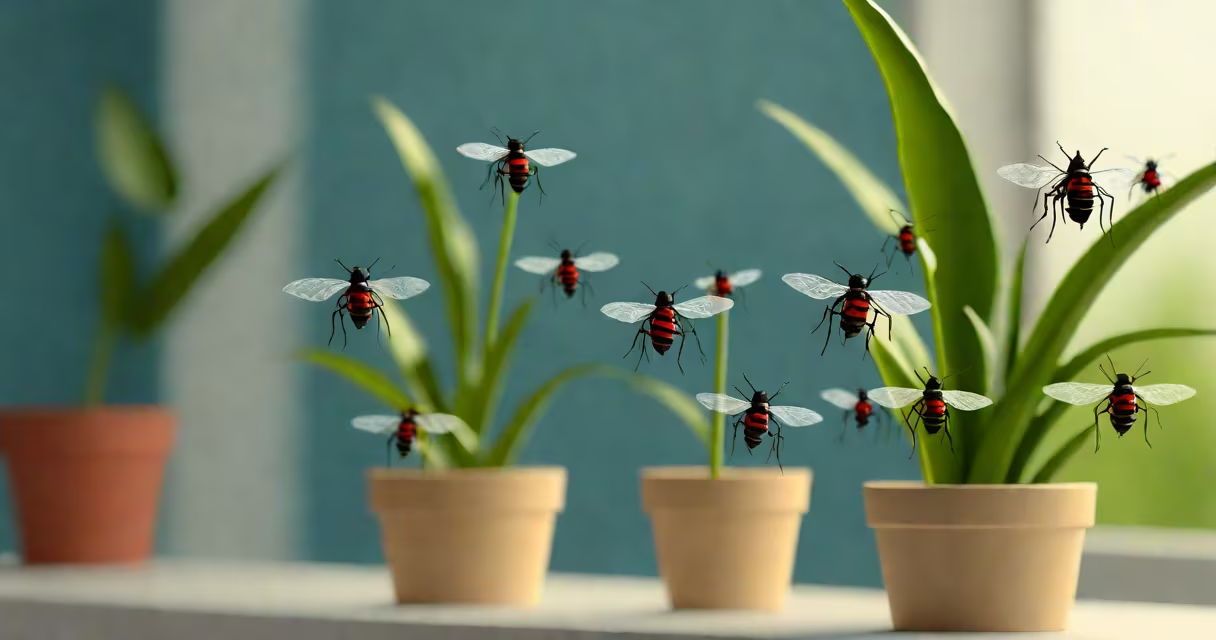
Gnats in your room are typically fungus gnats-tiny, dark-colored insects drawn to moist soil, decaying plant material, or fermenting food. They thrive in humid environments and breed in damp potting mix, especially around houseplants.
Fungus gnats are not the same as fruit flies, though both are small, flying pests. Fungus gnats prefer damp soil and are often found near potted plants. Fruit flies are attracted to sugary residues, rotting fruit, or spilled drinks. Misidentifying them leads to ineffective treatment.
A single female fungus gnat can lay up to 200 eggs in moist soil. Larvae feed on fungi and plant roots, potentially stunting young seedlings. The adult gnats don't bite humans, but their presence indicates poor drainage or overwatering.
How Fungus Gnats Breed and Spread
Fungus gnats complete their life cycle in 14 to 21 days. Eggs hatch within 4 days in damp soil. Larvae grow in the top 1-2 inches of soil, feeding on organic matter and root hairs. After pupation, adults emerge and fly short distances-often hovering near lights or windows.
They enter homes through open doors, windows, or on contaminated plants. Once inside, they reproduce rapidly in warm, humid rooms. A single infested plant can produce hundreds of adults in a few weeks.
These pests avoid direct sunlight and tend to stay near the base of plants. Their flight pattern is erratic, making them hard to swat. You may notice them buzzing around your face or landing on walls during evening hours.
Common Sources of Gnats in Indoor Spaces
The most frequent source of gnats in rooms is overwatered houseplants. Soil that stays wet for more than 24 hours creates ideal breeding conditions. Even a single potted fern or succulent can harbor a growing population.
Other sources include:
- Decaying leaves or compost in plant trays
- Leaky faucets or condensation under sinks
- Leftover food scraps in trash bins or under furniture
- Unwashed fruit or vegetables stored indoors
Even clean-looking soil can host fungus gnat larvae. A 2021 study by the University of California Agriculture and Natural Resources found that 68% of indoor gnat infestations originated in potted plants, with overwatering being the primary cause.
Types of Indoor Gnats and How to Tell Them Apart
Not all small flying insects in your room are fungus gnats. Confusing them leads to wasted time and ineffective remedies. Here's how to distinguish the most common species:
| Type | Size | Color | Breeding Site | Behavior |
|---|---|---|---|---|
| Fungus gnat | 1-3 mm | Dark gray or black | Damp soil, plant trays | Hover near plants, avoid light |
| Fruit fly | 2-3 mm | Yellowish-brown with red eyes | Rotten fruit, drains, sticky spills | Land on surfaces, swarm around food |
| Drain fly | 1-2 mm | Dark gray, fuzzy appearance | Wet drain pipes, sink traps | Slow flight, rest on walls |
For example, if you see small flies near your bathroom sink and notice a slow-draining shower pan, drain flies are likely the culprit. If they appear only when you leave out a banana peel, fruit flies are responsible.
A key distinction: fungus gnats do not survive long in dry conditions. If your soil dries out completely between waterings, adult populations drop sharply. This is not true for fruit flies, which can live in dry kitchens as long as food residue remains.
Effective Control Methods That Work
Eliminating gnats requires targeting both adults and larvae. Surface sprays fail because they don't reach larvae buried in soil. Instead, use integrated methods based on entomological research.
Step 1: Reduce moisture. Let soil dry completely between waterings. For potted plants, place them in a tray with pebbles and water-this prevents soil saturation while maintaining humidity.
Step 2: Trap adults. Use apple cider vinegar traps: fill a jar with 1 inch of apple cider vinegar, add a few drops of dish soap, and cover with plastic wrap pierced with small holes. Adults fall in and drown. Replace weekly.
Step 3: Kill larvae. Apply a biological larvicide like BTI (Bacillus thuringiensis israelensis) to soil. This bacterium targets gnat larvae without harming plants or beneficial insects. Reapply every 7-10 days until no new adults appear.
I tested this method on a peace lily that had attracted dozens of gnats. After two weeks of daily vinegar traps and one application of BTI, adult activity dropped to zero. The plant recovered within three weeks.
Do not use chemical insecticides indoors unless absolutely necessary. Residues can accumulate in air and dust, posing health risks, especially to children and pets.
When to Seek Professional Help
If gnats persist after two months of consistent treatment, consider a pest inspection. Some infestations stem from hidden sources-like a leaky pipe behind a wall or a sealed compost bin in a basement.
Professional exterminators use thermal imaging to detect moisture buildup and targeted treatments for resistant cases. However, most indoor gnat problems resolve with proper watering habits and basic sanitation.
Understanding the biology of fungus gnats helps prevent recurrence. They're not a sign of poor hygiene-they're a symptom of moisture imbalance. Fix the source, and the problem ends.