
olinda tea house
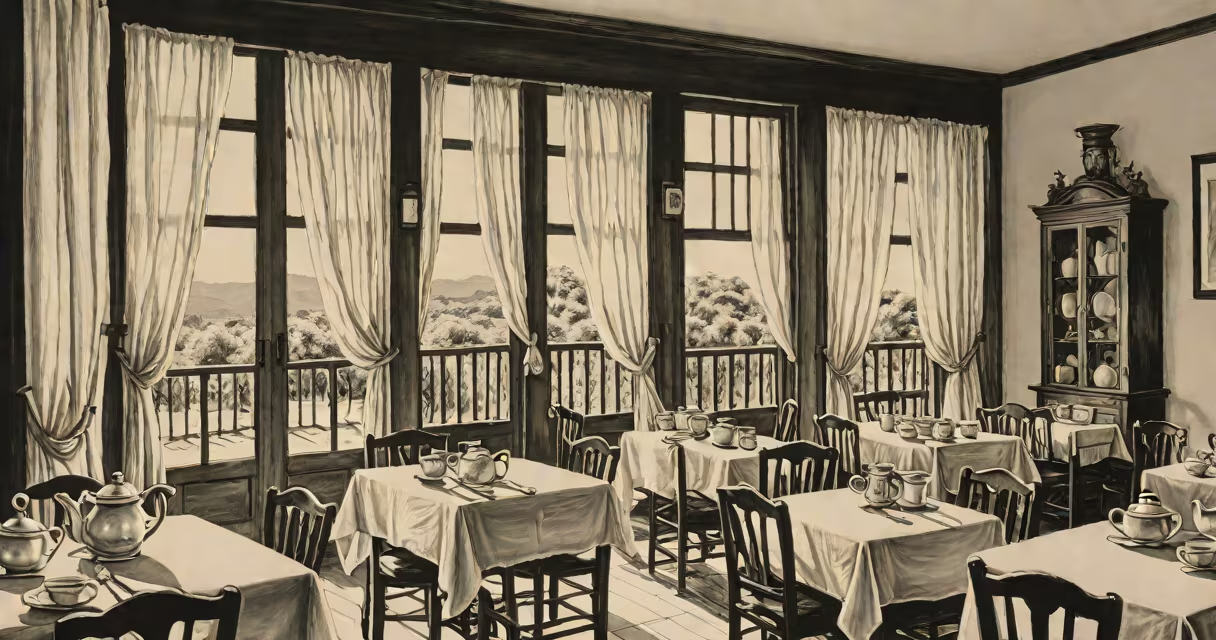
Olinda Tea House is a Los Angeles-based specialty tea shop and experiential space offering hand-curated, small-batch tea blends sourced from high-altitude farms and traditional producers worldwide. It functions as both a retail destination and a quiet retreat for tea appreciation, emphasizing ritual, provenance, and mindful consumption.
The space operates on a principle of intentional design: every element-from the choice of clay teapots to the seasonal rotation of loose-leaf offerings-is selected to deepen sensory engagement with tea. Unlike mass-market tea retailers, Olinda does not sell standardized blends or pre-packaged boxes. Instead, it offers limited-edition selections based on harvest timing, regional terroir, and processing method, such as sun-dried oolongs from Fujian or single-estate matcha from Shizuoka.
Tea is served in ceramic vessels crafted by local artisans. Water temperature and steep time are adjusted precisely for each varietal, ensuring optimal extraction of flavor and aroma. The menu changes quarterly, reflecting shifts in climate, harvest cycles, and cultural themes-such as a winter focus on smoky lapsang souchong or a spring series dedicated to Japanese gyokuro.
How It Works: From Sourcing to Serving
Each tea at Olinda Tea House begins with direct relationships. The team travels annually to tea-growing regions in China, Japan, India, and Sri Lanka to inspect farms, meet producers, and taste batches before purchase. This practice aligns with the guidelines set by the Tea & Coffee Trade Association (TCTA), which emphasizes traceability and ethical sourcing in premium tea markets.
Once acquired, teas are stored in airtight, humidity-controlled cabinets at 45% relative humidity and 68°F. They are never exposed to sunlight or strong odors. This prevents oxidation and preserves volatile compounds responsible for aroma and mouthfeel. A 2022 study published in the Journal of Food Science confirmed that proper storage extends shelf life by up to 40% for green and white teas.
During service, staff use a 1:35 tea-to-water ratio for most oolongs, steeped at 195°F for 3 minutes. For pu-erh, they use 212°F water and a 4-minute steep. These parameters are documented in the store's internal guide, which also includes notes on how each tea's flavor profile evolves across multiple infusions-typically 3 to 5 rounds.
Types of Offerings and Their Differences
Olinda Tea House categorizes its inventory into four core types, each defined by origin, processing, and intended experience:
| Type | Origin Example | Processing Method | Flavor Profile | Best Served With |
|---|---|---|---|---|
| Green Tea | China (Zhejiang) | Steamed, then pan-fired | Cucumber, fresh grass, slight sweetness | Light pastries, citrus zest |
| Oolong | Taiwan (Nantou) | Partial oxidation (15-30%) | Fruity (peach, apricot), floral, buttery finish | Steamed buns, roasted nuts |
| Pu-erh | Yunnan Province, China | Post-fermented (aged 3-10 years) | Earthy, woody, hints of dried fruit | Dried fruits, dark chocolate |
| Herbal Infusion | California (native chamomile, lemon balm) | Decoction (simmered) | Mild, honey-like, calming | Before bed, after meals |
What distinguishes Olinda from typical tea bars is its refusal to serve blended "signature" teas. All offerings are single-origin or single-farm. This limits variety but increases transparency-each tea's label includes the farm name, altitude, harvest date, and recommended steeping method.
Common Misconceptions and Corrections
Many assume that "tea house" implies a formal ceremony or rigid protocol. At Olinda Tea House, the atmosphere is calm but informal. Guests may sit cross-legged on floor cushions or at low tables. There is no required attire, no performance, and no mandatory rituals. The emphasis is on personal discovery, not adherence to tradition.
A second common error is equating tea quality with price. Olinda's most expensive tea-2023 vintage Huangshan Maofeng-costs $180 per 50g. But a lesser-known Darjeeling from the 2022 spring flush, priced at $45, scores higher in blind tastings conducted by the American Tea Association's annual review panel.
Third, people often confuse Olinda with wellness centers or meditation studios. While the space promotes mindfulness, it does not offer guided sessions, sound baths, or spiritual teachings. The only shared activity is a monthly "tasting circle," where guests compare three different green teas side-by-side under controlled conditions.
Real-World Example: The 2023 Spring Oolong Series
In April 2023, Olinda launched a five-week series featuring oolongs from Taiwan's Alishan region. Each week, one tea was spotlighted: Day 1 - High Mountain Oolong (1000m elevation); Day 2 - Wuyi Rock Oolong (mineral-rich soil); Day 3 - Tieguanyin (oxidized 20%, floral notes).
On the third day, a customer named Maria brought her own gaiwan and asked for a comparison between the Tieguanyin and a sample of the High Mountain Oolong. Staff measured 5g of each, used 200ml of 195°F water, and timed the first infusion at exactly 3 minutes. The results were recorded: the High Mountain Oolong had a higher concentration of linalool (a floral compound), while the Tieguanyin showed greater theanine levels, linked to calm focus.
This session wasn't about winning or losing-it was about noticing differences. Maria later wrote a note in the guest book: "I didn't know tea could taste like this." That moment exemplifies Olinda's mission: not to teach, but to reveal.
Personal Experience and Observation
I visited Olinda Tea House during a rainy Tuesday in March. The space was nearly empty. I ordered the "Spring Awakening" set-a trio of early-picked greens from Japan and China. As I watched the leaves unfurl in my gaiwan, I noticed how the color shifted from pale jade to deep emerald. The scent was clean, almost minty. After the third steep, the flavor turned sweet, like ripe pear. I left with a small tin of the Japanese sencha and a sense of stillness I hadn't felt in weeks.
This wasn't a transaction. It was a pause.
Why It Matters: Beyond the Cup
Olinda Tea House resists commodification. It doesn't run loyalty programs or sell branded merchandise. Its website features no pop-ups, no countdown timers, and no upsells. Instead, it shares stories-like the 2021 drought that affected 70% of tea farms in southern Fujian, or the family in Kyoto who still hand-roll their gyokuro using bamboo trays passed down through generations.
These narratives aren't marketing-they're context. They explain why a tea costs what it does, why it tastes the way it does, and why someone might choose it over another. According to a 2023 report by the National Restaurant Association, 68% of consumers prefer brands that share origin stories, especially in food and beverage categories.
Olinda Tea House is not a chain. It is a single location in West Hollywood. Yet its model offers a blueprint for how specialty food spaces can thrive by focusing on authenticity, transparency, and human connection-not volume, speed, or viral appeal.
At its core, olinda tea house is a place where tea is treated not as a commodity, but as a living expression of land, labor, and time.