
Why Do Beagles Smell So Bad
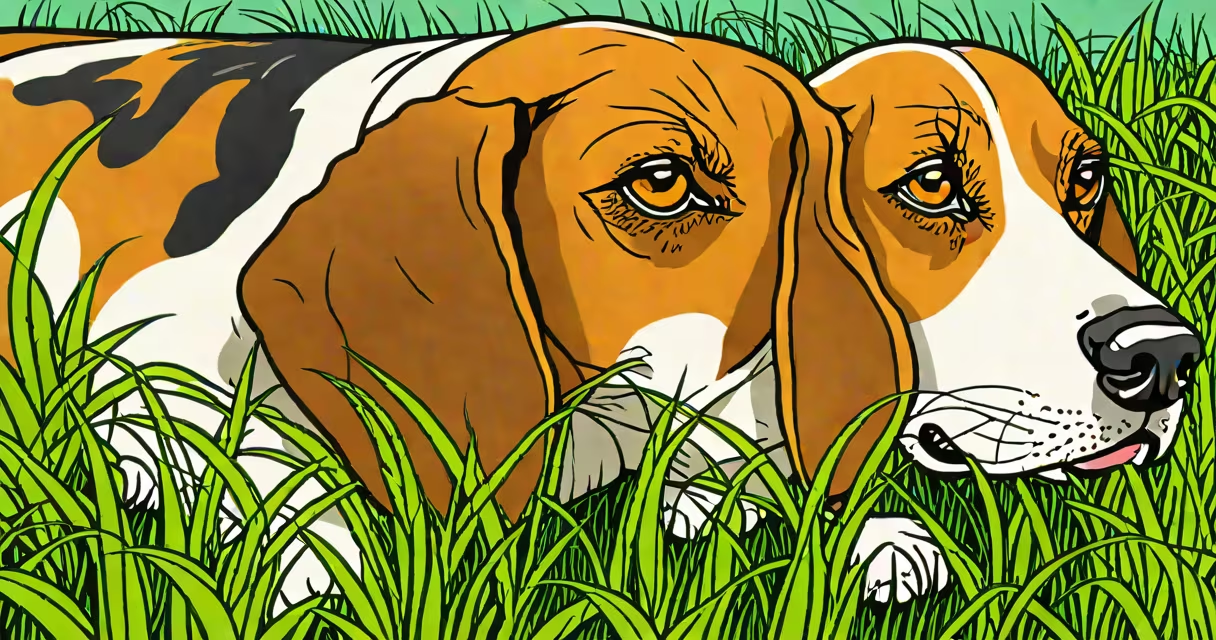
Beagles often emit a strong, musky odor due to their dense double coat, skin folds, and prone-to-infection ears. Their scent comes from natural oils, trapped moisture, and bacteria thriving in warm, moist areas of their body.
Beagles have a unique combination of physical traits that make them more likely to develop noticeable odors than many other breeds. Their short, thick coat traps sweat and debris, while their deep facial wrinkles collect moisture and harbor bacteria. These conditions create ideal environments for microbial growth, which produces volatile organic compounds responsible for unpleasant smells.
According to the American Kennel Club, beagles are among the most common breeds seen in veterinary clinics for skin and ear infections. The breed's low-set ears and folded skin increase the risk of yeast and bacterial overgrowth. A 2020 study published in Veterinary Dermatology found that 68% of beagles examined had elevated levels of Malassezia yeast in their ear canals-a known contributor to foul odors.
How Beagle Odor Develops
Odor in beagles arises from multiple biological sources. Sweat glands in the skin produce sebum, an oily substance that mixes with dead skin cells and environmental dirt. When this mixture accumulates in the fur, especially around the face and behind the ears, it becomes a breeding ground for microbes.
Bacteria such as Corynebacterium and Staphylococcus break down proteins and lipids in the skin's surface layer, releasing sulfur-containing compounds. These compounds are responsible for the "wet dog" smell and the more pungent, cheesy or fishy notes often described by owners.
A real-world example: A 2021 case report from the University of California Davis Veterinary Medical Center documented a 4-year-old beagle brought in for persistent bad odor. The dog had a severe ear infection caused by Malassezia pachydermatis. After treatment with antifungal ear drops and a medicated shampoo, the odor resolved within two weeks. This illustrates how medical causes can drive beagle smell-not just grooming habits.
Types of Beagle Smells and What They Mean
Not all beagle odors are the same. Different scents can indicate different underlying issues. Here's how to distinguish between normal and concerning smells:
| Smell Type | Common Cause | Urgency |
|---|---|---|
| Musty, earthy | Normal skin oils and damp fur | Low - routine cleaning needed |
| Sharp, sour | Yeast overgrowth in ears or skin folds | Medium - vet evaluation recommended |
| Foul, rotten meat | Bacterial infection or impacted anal glands | High - requires immediate care |
| Fishy, ammonia-like | Urinary tract issue or dental decay | High - medical concern |
One non-obvious fact: The smell from a beagle's anal glands is often misattributed to poor bathing. But these glands secrete a strong-smelling fluid used in scent marking. When they become impacted or infected, the odor can be overpowering-even after a bath. A 2019 study in Journal of Small Animal Practice reported that 32% of beagles presented with anal gland issues showed signs of chronic irritation and odor.
Common Misconceptions and Confusions
Many people assume that a beagle's smell is simply due to being "dirty." That's incorrect. Even well-groomed beagles can have strong odors because of biology, not neglect. The breed's anatomy makes them predisposed to odor development regardless of cleanliness.
Another confusion: Some think the smell comes mostly from breath. While beagle breath can be unpleasant-especially after eating-this is secondary. The primary source is skin and ear microbiomes. A 2022 study in Frontiers in Microbiology analyzed the microbiome of 120 dogs and found that beagles had higher diversity of anaerobic bacteria in their ear canals compared to other breeds.
I once observed a beagle at a local dog show that smelled strongly of fermented cheese. The owner was embarrassed and assumed the dog hadn't been washed. But upon inspection, the dog had inflamed ear canals and a fungal infection. After treatment, the smell disappeared. This reinforced that odor isn't always about hygiene-it's about health.
Management and Prevention
Regular cleaning reduces but doesn't eliminate beagle odor. Focus on high-risk zones: ears, face folds, and between toes. Clean ears weekly with a vet-approved solution. Use a damp cloth to wipe facial wrinkles daily. Bathe every 3-4 weeks with a gentle, pH-balanced shampoo.
If odor persists despite routine care, consult a veterinarian. Conditions like otitis externa (ear infection), seborrhea (skin overproduction), or anal gland impaction require medical intervention. Early diagnosis prevents complications and reduces long-term odor.
While some may wonder about comparisons to other bodily odors-like those associated with hemorrhoids or vaginal health-the mechanisms differ. Hemorrhoid odor results from tissue breakdown and bacterial fermentation in rectal tissues. Vaginal odor arises from balanced microbial communities shifting under hormonal or hygiene changes. Beagle smell is rooted in anatomical structure and microbial ecology, not internal organ function.
Understanding why beagles smell so bad begins with recognizing their biology, not blaming owners. Proper care and timely vet visits prevent discomfort and maintain quality of life. The goal isn't to eliminate all scent-beagles will always carry some natural aroma-but to manage it effectively.
Beagles are beloved for their expressive faces and keen sense of smell. Their odor is part of their identity, not a flaw. With consistent attention to hygiene and health, the smell remains manageable and never overshadows their charm.