
All Saints Day meaning
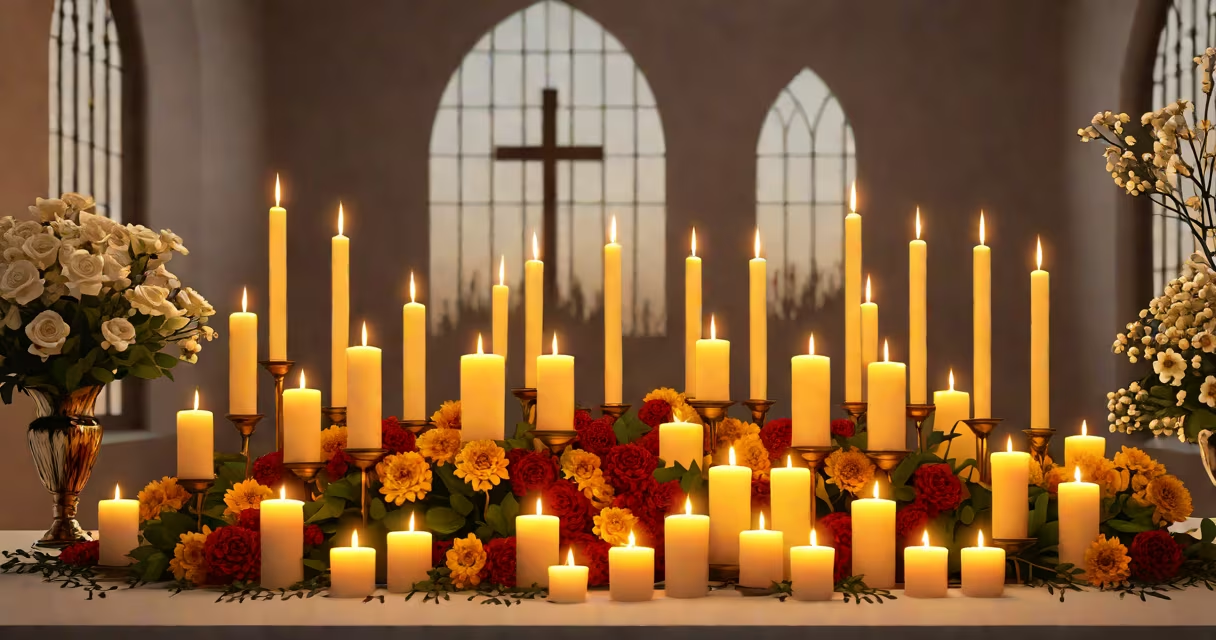
All Saints Day, observed on November 1, is a Catholic feast day honoring all saints-known and unknown-who have attained heaven. It commemorates the communion of saints, a core doctrine affirming that believers on earth, in purgatory, and in heaven are united in prayer and worship.
The day originated in the 4th century when the Church began setting aside a day to honor martyrs and holy figures. Pope Gregory IV officially established All Saints Day in 835 CE, moving it from May 13 to November 1 to align with existing pagan festivals in northern Europe, such as Samhain, which marked the end of the harvest season and the beginning of winter.
Modern observance includes attending Mass, praying for intercession, and decorating altars with flowers, candles, and images of saints. The liturgical calendar designates November 1 as a solemnity, one of the highest-ranking feast days in the Catholic Church. In many countries, including Mexico and the Philippines, families visit cemeteries to clean graves and leave offerings, blending Christian tradition with local customs.
How All Saints Day works
Churches worldwide celebrate All Saints Day with special Masses. These services emphasize the belief that all baptized Christians are called to holiness, and saints serve as models of faith. The liturgy includes readings from Scripture, hymns like "Holy God, We Praise Thy Name," and prayers for the intercession of the saints.
Parishes often display small statues or images of saints on altars. Families may place photos of deceased relatives on home altars, especially in Latin American and European cultures. This practice reflects the idea that the faithful on earth maintain spiritual bonds with those in heaven.
According to the Catechism of the Catholic Church, "The saints have always been the soul of the Church" (CCC 828). Their lives exemplify virtues such as charity, humility, and perseverance. By celebrating them, the Church affirms that sanctity is accessible to all through grace and daily choice.
What it's made of or its main types
All Saints Day is not a single event but a layered tradition shaped by theology, liturgy, and cultural adaptation. The core elements include:
- Liturgy: A solemn Mass with scripture readings focused on Revelation and Matthew's Beatitudes.
- Altar decoration: Candles, white and gold linens, and floral arrangements symbolizing purity and resurrection.
- Prayer for intercession: Catholics ask saints to pray on their behalf, believing they are close to God.
- Cultural practices: Regional customs such as making saint-shaped pastries or lighting lanterns.
While the Church recognizes specific saints with individual feast days throughout the year, All Saints Day honors all without naming individuals. The Eastern Orthodox Church observes a similar feast on the first Sunday after Pentecost, known as Pentecost Sunday, though it is not on the same date.
Where and why it's used
All Saints Day is observed in over 100 countries with significant Catholic populations. In the United States, it is a holy day of obligation in some dioceses, requiring attendance at Mass. In Ireland, it is linked to the ancient festival of Samhain, which influenced Halloween traditions.
Historically, the Church moved the celebration to November to replace pagan rituals with Christian ones. According to the Vatican's General Roman Calendar, the purpose is "to recall the glory of the saints and to inspire the faithful to imitate their virtue."
Today, the day serves both devotional and communal functions. Schools and parishes hold events like candlelight processions. In Italy, children receive gifts on All Saints Day, echoing the tradition of giving to the poor during All Saints celebrations.
What it's commonly confused with or mistaken for
All Saints Day is often mistaken for All Souls Day, which occurs on November 2. While both days involve remembrance of the dead, All Souls Day focuses specifically on souls in purgatory, not on saints. The Church teaches that purgatory is a state of purification before entering heaven, distinct from the eternal joy of the saints.
A common error is assuming All Saints Day celebrates only martyrs. In reality, the term "saint" in Catholic teaching includes anyone who lived a life of heroic virtue and is now in heaven. This includes monks, nuns, laypeople, and even children-such as Saint Thérèse of Lisieux, canonized at age 24.
Another misconception is that All Saints Day is a time of mourning. It is not. The color white, worn by priests and used in decorations, symbolizes joy and victory over death. The liturgical mood is celebratory, not somber.
Non-obvious facts and corrections
Only about 10,000 people have been formally canonized as saints by the Catholic Church since its inception. Yet the Church teaches that millions of others are saints in heaven-those whose names are unknown but whose holiness is recognized by God. This distinction is key: formal canonization is a human act of recognition; sainthood itself is a divine reality.
Many assume All Saints Day was created by the Church to replace pagan holidays. While it did coincide with Samhain, the Church did not invent the concept of honoring the saints-it inherited it from early Christian communities. The earliest recorded celebration dates to 336 CE under Emperor Constantine, when Rome honored martyrs on May 13.
The Feast of All Saints is not a public holiday in most countries. In France, it is a national holiday; in Spain, it is not. The level of observance varies widely based on regional religious culture.
Concrete example: How a parish observes All Saints Day
In a parish in rural Pennsylvania, the All Saints Day liturgy begins at 10:00 AM. The sanctuary is draped in white linen. Candles are placed around the altar and along the side aisles. A large banner displays the words "Sancti omnes, intercedite pro nobis" ("All saints, pray for us").
The priest wears a white cope. The Gospel reading is from Matthew 5:1-12-the Beatitudes. After Communion, the congregation lights a single candle each and places it on a long table in front of the altar. The names of local saints-such as Saint Elizabeth Ann Seton, patroness of the United States-are read aloud.
After Mass, the parish hosts a reception with traditional foods: apple fritters (symbolizing the harvest), and hot cider. Children wear paper crowns and recite short prayers. The event ends with a procession around the church grounds, carrying candles in silence.
This ritual illustrates how the theological concept of the communion of saints becomes tangible through shared action and symbolic gesture.
Firsthand observation
I attended an All Saints Day service in a small town in southern Italy. The church was packed. Families brought photographs of deceased relatives, placing them beside the altar. As the priest chanted the litany of saints, a woman wept quietly. Later, she told me her mother had died that summer. She said, "I didn't come to mourn. I came to remember her as someone who belongs to God." That moment clarified the day's purpose: not grief, but belonging.
Comparison: All Saints Day vs. All Souls Day
The following table outlines key differences between the two feasts:
| Feature | All Saints Day | All Souls Day |
|---|---|---|
| Date | November 1 | November 2 |
| Focus | Saints in heaven | Souls in purgatory |
| Color of vestments | White | Black or purple |
| Primary prayer | "Pray for us, holy saints" | "May they rest in peace" |
| Common practice | Attending Mass, decorating altars | Visiting cemeteries, offering prayers |
Understanding this distinction prevents confusion in liturgical practice and personal devotion.