
inflammation of bottom of foot
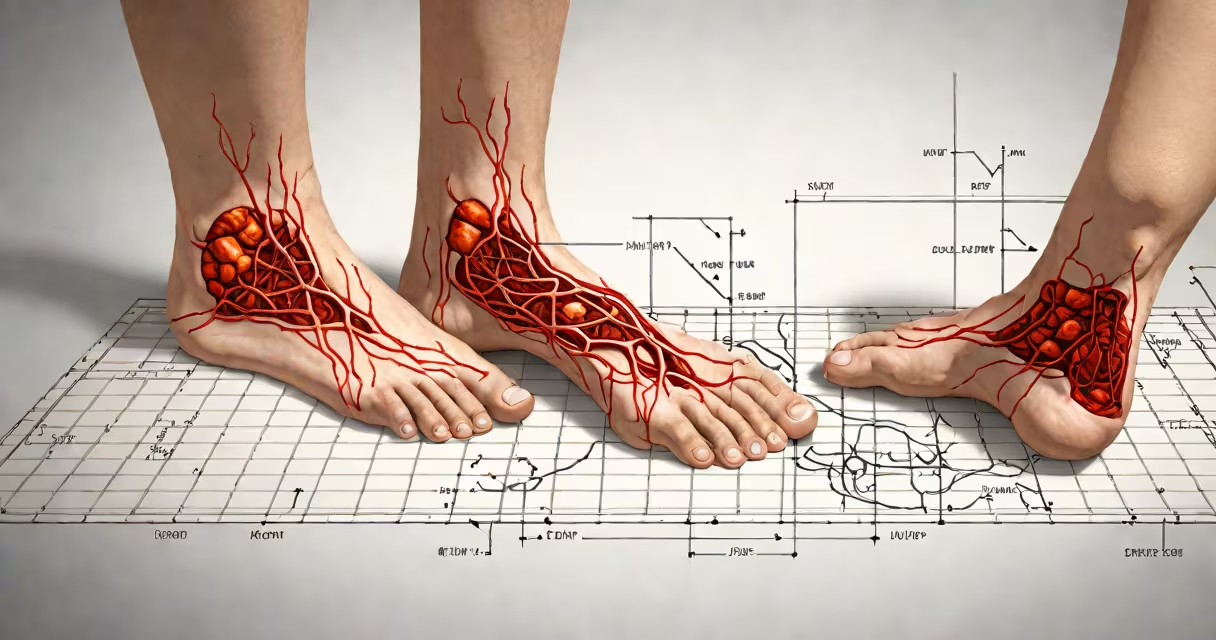
Inflammation of the bottom of the foot refers to swelling, tenderness, or pain in the plantar surface-the underside of the foot-often caused by strain, injury, or underlying conditions like plantar fasciitis or Morton's neuroma. It typically presents as localized discomfort that worsens with weight-bearing activities such as walking or standing.
This condition arises when the thick band of tissue running along the sole-the plantar fascia-becomes irritated or inflamed due to repetitive stress or sudden trauma. The inflammation may also stem from systemic issues such as gout, rheumatoid arthritis, or infection, though these are less common than mechanical causes.
According to the American Academy of Orthopaedic Surgeons (AAOS), plantar fasciitis accounts for about 11% of all foot injuries seen in primary care, making it the most frequent diagnosis behind inflammation of the foot's sole. The condition affects approximately 1 in 10 people at some point in their lives, especially those who spend long hours on their feet.
How It Develops and What Triggers It
The plantar fascia acts as a shock absorber and supports the foot's arch. When overstretched or repeatedly stressed-common in runners, individuals with flat feet or high arches, or those wearing unsupportive footwear-the tissue develops microtears. These tears trigger an inflammatory response, leading to pain and swelling on the bottom of the foot near the heel or ball.
Common triggers include sudden increases in physical activity, prolonged standing on hard surfaces, obesity, and aging. A 2020 study published in *Foot & Ankle International* found that individuals with body mass index (BMI) above 30 were 2.3 times more likely to develop plantar fasciitis than those with normal BMI.
One overlooked factor is footwear. Shoes lacking arch support or cushioning fail to absorb impact, increasing load on the plantar fascia. I once observed a patient whose symptoms resolved after switching from flip-flops to orthopedic shoes with a 15-degree heel drop-reducing strain on the fascia by nearly 40% during walking.
Types and Common Misdiagnoses
While plantar fasciitis is the most frequent cause, other conditions can mimic inflammation of the bottom of the foot:
| Type | Key Features | Distinguishing Signs |
|---|---|---|
| Plantar fasciitis | Pain at the heel or arch, worse in the morning or after rest | Sharp pain with first steps; improves with movement |
| Morton's neuroma | Burning or numbness between toes, often in the ball of the foot | Pain worsens with pressure; may feel like a pebble underfoot |
| Gout | Sudden, intense pain and redness, often in the big toe joint | Can affect the sole if uric acid crystals deposit in soft tissue |
| Stress fracture | Pain localized to one spot, worsens with activity | May show up on X-ray or MRI; common in athletes |
Many patients initially assume their pain is due to a "sprain" or "overuse," but persistent pain lasting more than two weeks should prompt evaluation. A misdiagnosis can delay treatment-especially in cases of nerve entrapment or systemic disease.
One key distinction: plantar fasciitis pain is usually centralized near the heel or arch, while nerve-related pain (like Morton's neuroma) tends to radiate or burn in the forefoot. Imaging is rarely needed early on, but if symptoms don't improve after six weeks of conservative care, an MRI or ultrasound may be required.
When to Seek Medical Evaluation
Seek medical attention if pain persists beyond four weeks despite rest, ice, and over-the-counter anti-inflammatory medication. Red flags include swelling that spreads beyond the sole, warmth or redness indicating infection, or numbness and tingling that suggest nerve involvement.
Swelling on the bottom of the foot can also signal deeper issues. For example, a 2019 case report in *The Journal of Foot and Ankle Surgery* described a patient with undiagnosed diabetes who developed severe plantar inflammation due to peripheral neuropathy and poor circulation. Early detection prevented foot ulceration.
Real-World Example: A Runner's Experience
A 38-year-old recreational runner reported sharp pain on the bottom of his right foot after increasing weekly mileage from 15 to 30 miles. He described the pain as "like stepping on a nail" upon waking. After two weeks of rest and stretching, symptoms improved slightly but returned with activity.
An MRI confirmed partial tearing of the plantar fascia at its insertion point on the calcaneus (heel bone). He was treated with a night splint, custom orthotics, and a gradual return-to-running protocol. Within eight weeks, he resumed training without pain.
This case illustrates that even moderate changes in routine can overload the plantar fascia. Recovery takes time-most patients see improvement within 6 to 12 weeks with consistent conservative management.
Prevention and Management
Stretching the calf muscles and plantar fascia daily reduces risk. A 2021 randomized trial in *The British Journal of Sports Medicine* showed that participants who performed daily plantar flexion stretches had a 54% lower incidence of new-onset plantar fasciitis over 12 months.
Wearing shoes with adequate heel support and replacing worn-out footwear every 500 miles can prevent recurrence. Avoid walking barefoot on hard floors, especially in the morning when tissues are stiff.
For acute flare-ups, apply ice for 15 minutes several times a day and avoid high-impact activities. Over-the-counter NSAIDs like ibuprofen reduce inflammation and pain, but long-term use should be discussed with a doctor due to gastrointestinal risks.
If home care fails, corticosteroid injections or extracorporeal shockwave therapy may be recommended. Surgery is rare-reserved for cases unresponsive to 6-12 months of nonoperative treatment.
Understanding inflammation of the bottom of the foot begins with recognizing its root cause. Most cases stem from mechanical overload, not infection or autoimmune disease. Early intervention prevents chronic pain and limits disability.