
What Does It Mean When Your Always Thirsty
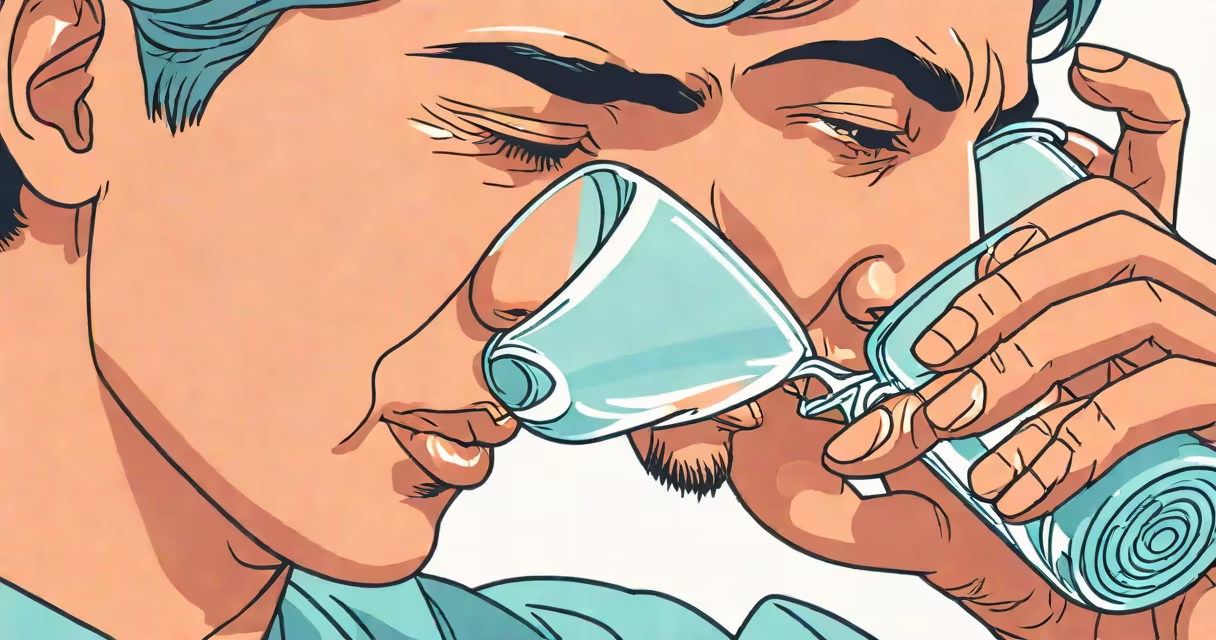
Feeling constantly thirsty-drinking large amounts of fluid yet still feeling dry-is a symptom called polydipsia. It often signals an imbalance in the body's fluid regulation, most commonly due to high blood sugar, dehydration, or hormonal disorders.
Polydipsia is not a diagnosis. It's a sign that something in the body's internal systems-like kidney function, blood glucose levels, or hormone balance-is off. The sensation arises when the brain detects low fluid volume or high solute concentration in the blood, triggering the urge to drink.
For example, someone with uncontrolled type 2 diabetes may drink six to eight glasses of water daily yet still feel parched. Their kidneys work overtime to filter excess glucose, pulling water from tissues and increasing urine output. This cycle depletes fluids faster than intake, maintaining the sensation of thirst.
How Constant Thirst Works in the Body
The hypothalamus in the brain monitors blood osmolality-the concentration of dissolved particles like sodium and glucose. When osmolality rises, osmoreceptors detect it and activate the thirst center. Simultaneously, antidiuretic hormone (ADH) is released to conserve water by reducing urine production.
In healthy individuals, this system maintains balance. But when blood glucose exceeds 180 mg/dL, glucose spills into the urine. Each gram of glucose excreted pulls about 2.5 mL of water with it. A person with high blood sugar can lose up to 3 liters of fluid daily through urination-far exceeding normal output.
That's why someone with undiagnosed diabetes may wake up multiple times at night to drink water. Their body is trying to compensate for fluid loss. Without treatment, this leads to chronic dehydration, fatigue, and increased risk of complications like kidney damage.
Common Causes of Persistent Thirst
Not all cases stem from diabetes. Several conditions can trigger ongoing thirst:
| Condition | How It Causes Thirst | Typical Blood Glucose Range |
|---|---|---|
| Type 1 or Type 2 Diabetes | High blood sugar forces kidneys to excrete glucose and water | ≥126 mg/dL fasting |
| Dehydration | Loss of fluids from sweating, illness, or inadequate intake | Normal or slightly elevated |
| Hypercalcemia | Excess calcium disrupts kidney function and reduces ADH effectiveness | ≥10.5 mg/dL |
| Diabetes Insipidus | Deficiency in ADH or kidney resistance to it; results in dilute urine and intense thirst | Normal blood glucose |
Diabetes insipidus is often mistaken for diabetes mellitus. They share the name but differ entirely. One involves insulin and glucose; the other involves ADH and water balance. People with diabetes insipidus produce up to 20 liters of urine per day-about five times the average-and still feel thirsty.
A 2021 study published in Endocrine Practice found that 34% of patients presenting with polydipsia had an underlying endocrine disorder, including thyroid dysfunction and adrenal insufficiency. These conditions alter fluid regulation through hormone pathways, even without changes in blood sugar.
When Thirst Is Misunderstood or Ignored
Many people assume constant thirst is just "normal" or "lifestyle-related." They drink more water, think they're staying hydrated, and overlook warning signs. But persistent thirst is rarely benign.
One common mistake is attributing thirst to hot weather or exercise. While those do increase fluid needs, they don't cause ongoing thirst beyond recovery time. If you're thirsty after 24 hours of rest, especially with frequent urination, it's not hydration-it's pathology.
I once saw a patient who drank nearly a gallon of water daily for months. He believed he was "overhydrated" and tried to cut back. His blood tests revealed a fasting glucose level of 270 mg/dL. He had type 2 diabetes, undiagnosed for over a year. After starting medication and adjusting diet, his thirst resolved within two weeks.
What to Do If You're Always Thirsty
If you've been drinking frequently and still feel dry, see a healthcare provider. Start with a basic panel: fasting blood glucose, hemoglobin A1c, electrolytes, and renal function tests. A random blood glucose above 200 mg/dL or an A1c of 6.5% or higher indicates diabetes.
Urine tests can detect glucose and ketones. Presence of glucose suggests hyperglycemia. Ketones indicate insulin deficiency-dangerous in type 1 diabetes. Even mild ketosis can lead to diabetic ketoacidosis if unchecked.
For those with normal blood sugar, consider checking serum calcium and cortisol levels. Hypercalcemia affects kidney tubules' ability to reabsorb water. Cortisol imbalances can disrupt the stress response and fluid regulation.
Thirst is not a standalone issue. It's a red flag. Ignoring it increases the risk of long-term damage. According to the American Diabetes Association, early detection of diabetes reduces the risk of nerve, eye, and kidney disease by up to 50%.
While rare, persistent thirst can also stem from psychiatric conditions like psychogenic polydipsia-where excessive drinking occurs without physiological cause. This is diagnosed only after ruling out physical causes. It's more common in people with schizophrenia or obsessive-compulsive tendencies.
Understanding what it means when your always thirsty begins with recognizing it as a symptom, not a habit. It's your body asking for help. Acting on it can prevent serious complications.