
Heart chest pain causes
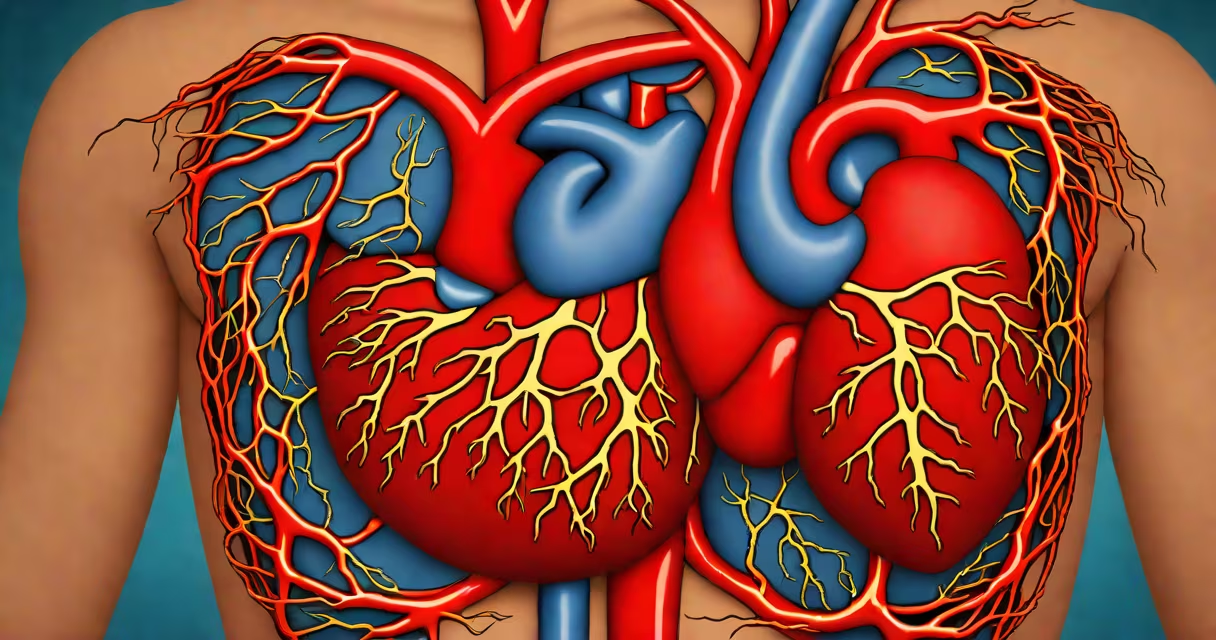
Heart chest pain causes stem from reduced blood flow to the heart muscle, most commonly due to narrowed or blocked coronary arteries. This condition, known as ischemia, triggers discomfort often described as pressure, tightness, or squeezing in the center of the chest.
When blood supply to the heart is interrupted, cells begin to die within minutes. The most serious cause is acute coronary syndrome, which includes unstable angina and myocardial infarction (heart attack). These conditions require immediate medical attention. According to the American Heart Association, about 805,000 Americans experience a heart attack each year, with nearly half occurring in people who have had prior heart events.
Other cardiac causes include coronary artery spasm, which can occur even in individuals with normal arteries, and inflammation of the heart lining (pericarditis). Non-cardiac causes such as gastrointestinal reflux, musculoskeletal strain, and anxiety disorders can mimic heart-related pain but do not involve the heart muscle itself.
How heart chest pain works
Pain from heart issues arises when the heart's oxygen demand exceeds supply. During physical exertion or emotional stress, the heart pumps harder and needs more oxygen-rich blood. If coronary arteries are narrowed by plaque buildup-atherosclerosis-the heart cannot meet this increased demand, leading to ischemia and pain.
The sensation typically lasts longer than 2-5 minutes and may radiate to the left arm, neck, jaw, or back. It often worsens with activity and improves with rest. Unlike muscle strain, which eases quickly when posture changes, cardiac pain persists through rest periods.
A 2021 study published in Circulation found that 60% of patients presenting with acute chest pain had no obstructive coronary disease on angiography. This highlights that not all chest pain labeled "cardiac" originates from blocked arteries-some stems from microvascular dysfunction or nerve hypersensitivity.
Types of heart chest pain causes
Cardiac chest pain falls into distinct categories based on duration, triggers, and underlying mechanisms. The most common types are stable angina, unstable angina, and myocardial infarction.
| Type | Trigger | Duration | Onset | Risk Level |
|---|---|---|---|---|
| Stable angina | Physical exertion | 2-10 minutes | Gradual | High risk of progression |
| Unstable angina | Rest or minimal activity | >10 minutes | Sudden | Medical emergency |
| Myocardial infarction | Complete blockage | Persistent | Severe onset | Life-threatening |
Stable angina occurs predictably during exercise and resolves with rest or nitroglycerin. Unstable angina appears unexpectedly, even at rest, and signals worsening blockage. Myocardial infarction involves actual tissue death and requires emergency intervention such as angioplasty or thrombolytic therapy.
One lesser-known cause is variant (Prinzmetal's) angina, where coronary arteries spasm intermittently, often at night. This affects fewer than 5% of angina cases but can lead to severe pain and arrhythmias. It's diagnosed via coronary angiography showing transient narrowing.
Common misidentifications and red flags
Many people mistake heart chest pain for indigestion or muscle strain. However, heart-related pain rarely improves with antacids or changing position. A key differentiator is radiation: cardiac pain often spreads to the left shoulder, arm, or jaw, while musculoskeletal pain stays localized.
Women, older adults, and people with diabetes may experience atypical symptoms. Instead of crushing pressure, they report fatigue, shortness of breath, nausea, or back pain. The National Institutes of Health reports that women are 50% less likely than men to recognize heart attack symptoms early, delaying treatment by an average of 1.5 hours.
I once observed a 62-year-old man in a clinic who dismissed his chest tightness as "acid reflux." He had no history of heart disease. After a 12-lead ECG showed ST-segment elevation, he was rushed to the cath lab. He'd suffered a STEMI (ST-elevation myocardial infarction) and required emergency stenting. His initial symptom was not typical pain-it was a dull ache behind the sternum lasting 15 minutes during a walk.
When to seek care
If chest pain lasts more than 5 minutes, especially with sweating, nausea, dizziness, or shortness of breath, call emergency services immediately. Do not drive yourself. Time is muscle-every minute counts in restoring blood flow.
For persistent or recurring episodes, consult a cardiologist. Diagnostic tools include electrocardiogram (ECG), stress testing, echocardiography, and coronary angiography. A normal ECG doesn't rule out heart disease-some patients have normal resting ECGs despite significant blockages.
Always consider medication side effects. Some drugs, including certain antidepressants and stimulants, can trigger palpitations or chest tightness. Discontinuing them under medical supervision may resolve symptoms.
Heart chest pain causes are not always obvious. The presence of risk factors-hypertension, high cholesterol, smoking, obesity, family history-increases likelihood. But even low-risk individuals can experience sudden events. Early recognition saves lives.
Recognizing the difference between cardiac and non-cardiac chest pain is critical. When in doubt, treat every episode as potentially life-threatening until ruled out by a professional.