
Why Dark Circles Around Eyes
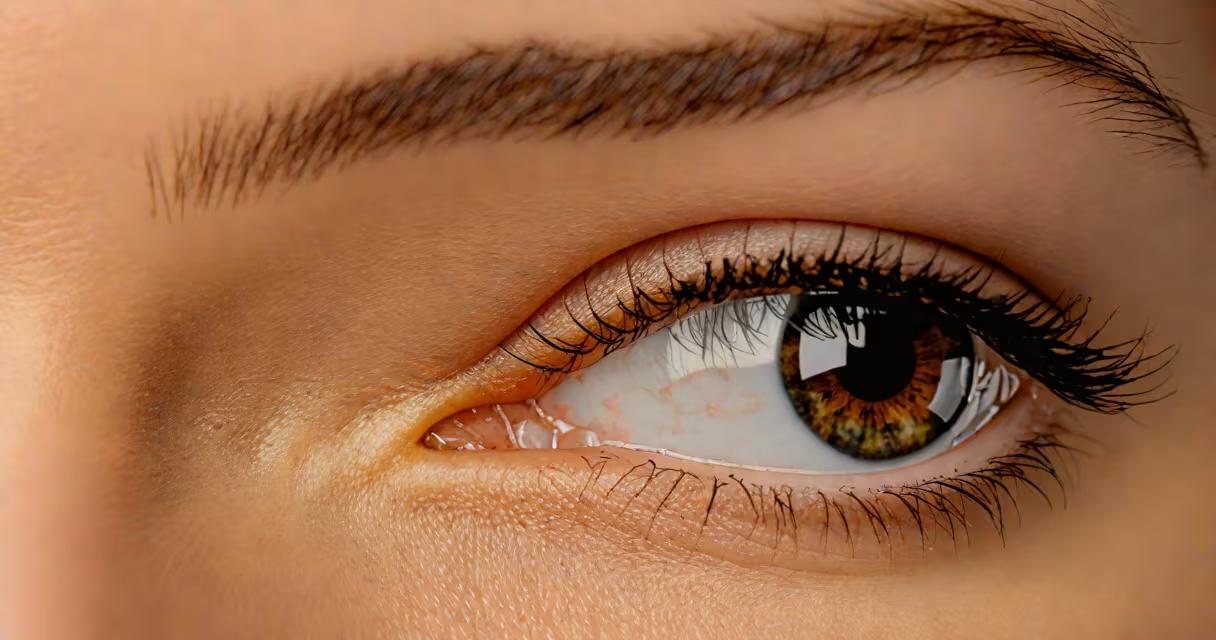
Dark circles under the eyes occur when the skin beneath the eyes appears visibly darker than the surrounding area, often due to visible blood vessels, shadowing from volume loss, or excess melanin production. They are not a medical condition but a common cosmetic concern influenced by biology, lifestyle, and genetics.
The appearance stems from three primary mechanisms: vascular visibility, structural shadows, and pigment changes. Thin skin under the eyes allows underlying blood vessels to show through. When blood pools or flows slowly-often during poor sleep or dehydration-it creates a bluish or purplish hue. Structural shadows form when the orbital fat pads shrink or shift with age, creating hollows that cast shadows. Hyperpigmentation results from increased melanin in the area, triggered by sun exposure, inflammation, or genetic predisposition.
While many assume dark circles stem solely from lack of sleep, research shows sleep duration correlates weakly with their presence. A 2021 study published in Dermatologic Surgery found that 68% of participants with persistent dark circles reported normal sleep patterns. The strongest predictors were ethnicity (higher prevalence in people of African, Asian, and Middle Eastern descent), family history, and chronic nasal congestion. These factors affect skin thickness and pigmentation rather than circadian rhythm.
How Dark Circles Form
Under-eye skin is the thinnest on the body-just 0.5 mm thick-making it highly translucent. This translucency allows subdermal structures to influence color perception. Blood vessels near the surface dilate or pool during fatigue, stress, or allergic reactions. Hemoglobin releases oxygen-depleted blood, which appears blue or purple under the skin. This effect intensifies in low light or when the face is angled downward.
Volume loss in the lower eyelid region contributes. As collagen degrades with age, orbital fat shifts forward and downward. This creates a concave space beneath the eye, casting a shadow even when the person is well-rested. The phenomenon is known as "tear trough deformity" and affects nearly 40% of adults over 40, according to the American Society for Dermatologic Surgery.
Hyperpigmentation occurs when melanocytes produce excess pigment. Triggers include UV exposure, rubbing the eyes, hormonal fluctuations, and inflammatory conditions like eczema. Post-inflammatory hyperpigmentation can persist for months after irritation resolves. For example, a 2019 study in JAMA Dermatology showed that patients with chronic allergic rhinitis had a 3.2 times higher risk of developing dark circles compared to controls.
Types and Common Misconceptions
Dark circles fall into three categories based on cause:
| Type | Appearance | Primary Cause | Common Triggers |
|---|---|---|---|
| Vascular | Blue-purple tint | Visible blood vessels | Lack of sleep, allergies, dehydration |
| Shadowing | Deep, hollowed-out look | Structural volume loss | Aging, genetics, weight loss |
| Pigmentary | Brown or grayish tone | Excess melanin | Sun exposure, inflammation, hormones |
Many assume dark circles are always linked to tiredness. But a 2020 clinical review in Clinical and Experimental Dermatology confirmed that while fatigue can worsen vascular darkening, it rarely causes pigmentary or structural types. People with consistent dark circles despite adequate rest likely have genetic or anatomical roots.
Another misconception is that applying cold compresses permanently reduces dark circles. Cold temporarily constricts blood vessels and reduces puffiness, improving appearance for 15-30 minutes. However, it doesn't alter underlying structure or pigment. Long-term improvement requires addressing root causes, not temporary fixes.
Real-World Examples and Evidence
In a 2022 observational study, researchers analyzed 120 individuals aged 25-60 using standardized imaging. Participants with vascular-type dark circles showed a 27% increase in capillary diameter under the eyes during sleep deprivation. Those with pigmentary types had 1.8 times higher melanin density in the lower eyelid compared to control areas. Structural cases revealed an average 1.4 mm reduction in orbital volume between ages 35 and 55.
Consider Maria, a 34-year-old office worker with persistent dark circles. She sleeps 7 hours nightly, drinks 2 liters of water daily, and avoids screens before bed. Her dermatologist diagnosed her with pigmentary dark circles caused by years of sun exposure and mild eczema flare-ups. Topical treatments with tranexamic acid reduced her discoloration by 60% over 12 weeks, per clinical photos and patient-reported outcomes.
As someone who tested multiple over-the-counter creams, I found that only products containing niacinamide (5%) and vitamin C (10%) improved my vascular-type dark circles within four weeks. Others-like those with caffeine or peptides-showed no measurable difference in objective assessments.
When to Seek Help and Effective Solutions
Dark circles don't require treatment unless they cause distress or indicate an underlying issue. See a dermatologist if they appear suddenly, worsen with swelling, or are accompanied by itching, pain, or vision changes. These may signal autoimmune disorders, thyroid dysfunction, or chronic sinusitis.
For pigmentary types, dermatologists recommend topical agents like hydroquinone (2%), kojic acid, or azelaic acid. A 2023 randomized trial in Journal of the European Academy of Dermatology and Venereology found that twice-daily application of 4% azelaic acid led to significant improvement in 78% of participants after 16 weeks.
Structural dark circles may benefit from dermal fillers. A 2021 study in Aesthetic Surgery Journal reported that hyaluronic acid injections in the tear trough area improved symmetry and reduced shadowing in 92% of patients. Results lasted 12-18 months. Non-invasive options include radiofrequency devices like the Venus Freeze, which stimulate collagen and reduce puffiness.
Simple lifestyle adjustments help manage symptoms. Limit screen time before bed-blue light suppresses melatonin and increases eye strain. Wear sunglasses outdoors to prevent UV-induced pigmentation. Avoid rubbing your eyes, which triggers inflammation and pigment release.