
What Are the Futures for Tomorrow
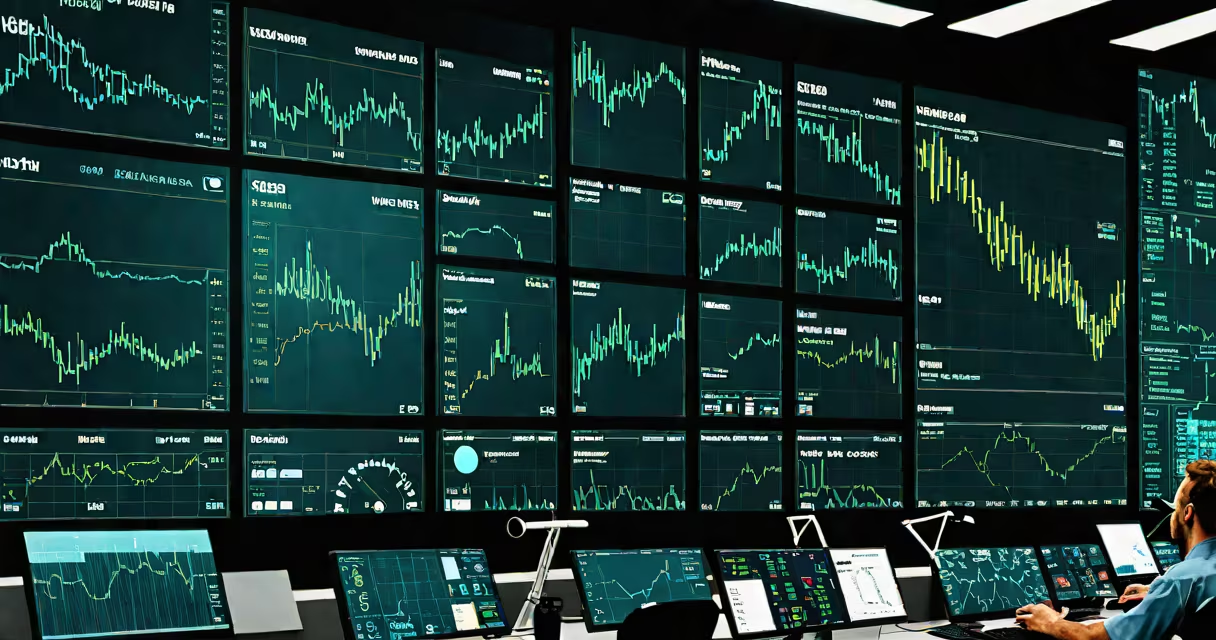
Futures for tomorrow are standardized contracts obligating the buyer to purchase, or the seller to deliver, a specific asset at a predetermined price on a specified future date. These instruments trade on regulated exchanges and reflect collective market expectations about future price levels across commodities, indices, currencies, and interest rates.
Each contract specifies the quantity, quality, delivery location, and settlement method for the underlying asset. For example, a crude oil futures contract traded on the New York Mercantile Exchange (NYMEX) commits both parties to exchange 1,000 barrels of West Texas Intermediate crude at a set price on a future expiration date. The price is determined through open outcry or electronic bidding during trading hours.
Unlike options, which give the right but not the obligation to transact, futures require fulfillment. Traders use them to lock in prices for future transactions-producers hedge against falling prices, consumers protect against rising costs, and speculators bet on directional moves. Settlement occurs either through physical delivery or cash settlement based on the difference between the contract price and prevailing market price at expiry.
How Futures Work in Practice
Futures operate on a daily mark-to-market system. At the end of each trading day, gains or losses are calculated based on the closing price and credited or debited to each party's margin account. This process reduces counterparty risk and ensures履约 (performance) even if one side defaults.
For instance, if a wheat farmer enters a long position in a Chicago Board of Trade (CBOT) wheat futures contract at $6.00 per bushel and the price rises to $6.20 by the close of trading, the farmer's account receives $0.20 per bushel. Conversely, if prices drop, the account loses money. This mechanism keeps positions aligned with current market values and prevents large accumulations of debt.
Most futures contracts are closed out before expiration. Traders exit their positions by taking an opposite trade-buying back a short position or selling a long one. Only about 1% of all futures contracts result in physical delivery; the rest are settled in cash.
Types of Futures Contracts
Futures fall into four main categories based on the underlying asset:
| Type | Underlying Asset | Exchange Example | Typical Use Case |
|---|---|---|---|
| Commodity | Oil, gold, corn, natural gas | NYMEX, CBOT | Hedging supply risks; speculative play on inflation |
| Equity Index | S&P 500, Nasdaq-100 | CME Group | Speculating on broad market direction; portfolio hedging |
| Interest Rate | 3-month LIBOR, U.S. Treasury notes | ICE Futures U.S. | Managing interest rate exposure; arbitrage strategies |
| Currency | USD/EUR, JPY/USD | Eurex, CME | Protecting foreign exchange exposure; cross-border investment |
A key distinction often missed is that futures do not represent ownership of the underlying asset. Holding a crude oil futures contract does not grant title to barrels-it reflects a bet on price movement. This separates futures from stocks, bonds, or direct commodity holdings.
Where and Why Futures Are Used
Major global exchanges host futures trading. The CME Group, which owns the Chicago Mercantile Exchange (CME), handles over 90% of U.S.-listed equity index futures. The Intercontinental Exchange (ICE) dominates energy and agricultural contracts. These platforms enforce strict rules on contract size, tick sizes, and margin requirements.
Market participants use futures for three primary purposes: hedging, speculation, and arbitrage. A grain elevator operator might sell corn futures to lock in a sale price six months ahead, protecting against a potential price crash. A hedge fund may go long on S&P 500 futures if it expects a rally driven by strong earnings reports. Arbitrageurs exploit small pricing inefficiencies between related instruments-for example, buying S&P 500 futures while simultaneously shorting the individual stocks in the index.
One non-obvious fact: futures prices often lead spot prices. The front-month crude oil futures contract typically trades at a premium or discount to the current physical price based on storage costs, interest rates, and expected supply disruptions. This relationship is known as contango (forward price above spot) or backwardation (spot above forward).
Common Misconceptions and Clarifications
Many assume futures are inherently risky or only for professionals. While use amplifies both gains and losses, most retail traders use futures through ETFs or cleared accounts with low margin thresholds. The CME Group reports that over 60% of daily futures volume comes from institutional investors, but retail participation has grown steadily since 2015 due to lower entry barriers.
Another confusion arises between futures and forwards. Both are agreements to trade at a future date, but forwards are customized, private contracts not traded on exchanges. They carry higher default risk and lack standardization. Futures are more liquid and transparent because they are exchange-traded and subject to daily margining.
I once observed a trader using Dow futures to adjust his portfolio's beta during a volatile earnings season. He bought 10 contracts of the E-Mini S&P 500 futures at 4,200 points. When the market dropped 2% the next day, he closed the position at 4,116, realizing a $12,000 profit. That gain offset losses in his stock holdings. The transaction took under five minutes and required no physical delivery.
Key Sources and Data
The Commodity Futures Trading Commission (CFTC) publishes weekly Commitments of Traders (COT) reports showing net positions held by different market participants. According to the CFTC's June 2024 report, commercial traders were net long 1.2 million crude oil futures contracts, indicating hedging activity by producers. Non-commercial traders (speculators) held a net long position of 890,000 contracts, reflecting bullish sentiment.
The Securities and Exchange Commission (SEC) mandates that all U.S. futures brokers maintain minimum capital reserves and undergo regular audits. The SEC's 2023 annual report confirmed that 99.3% of futures trades settled on time with no systemic failures.
Futures for tomorrow are not predictions-they are commitments backed by market data. They reflect consensus views on future supply, demand, and macroeconomic conditions. Understanding them requires knowing how pricing works, who uses them, and what risks are involved. planning a farm's harvest, futures provide tools to act today based on tomorrow's realities.