
What Do Microbes Do
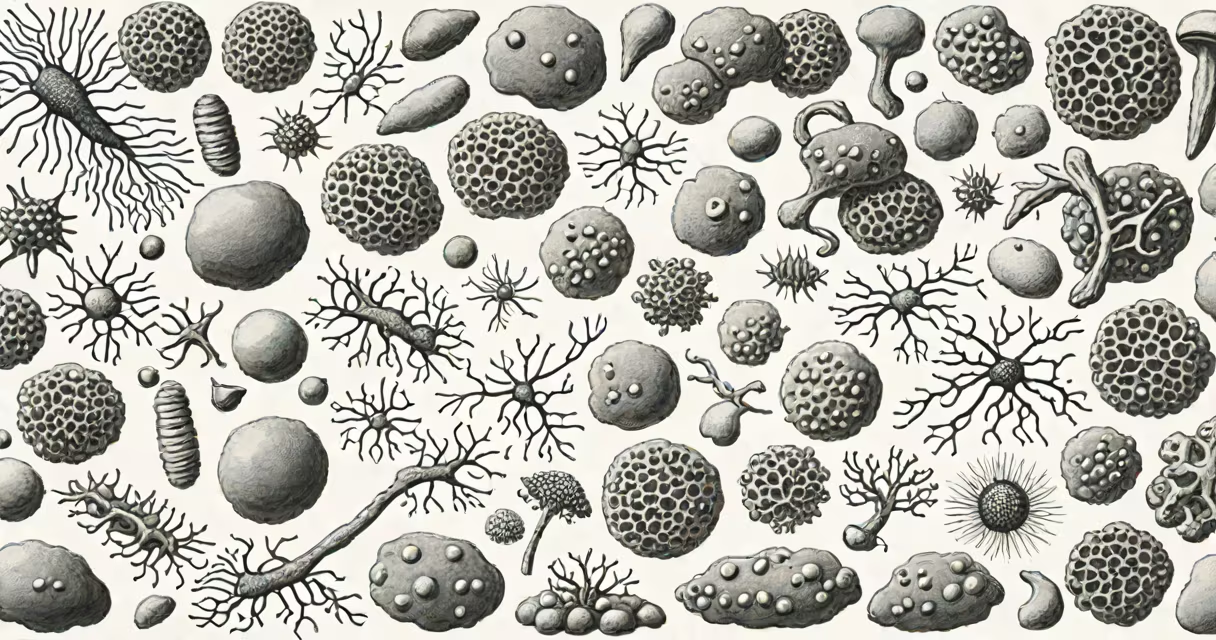
Microbes are microscopic organisms that drive essential processes in nature, human health, and industrial systems. They decompose organic matter, fix nitrogen, ferment foods, and influence immune function. These activities sustain life on Earth and underpin agriculture, medicine, and biotechnology.
Microbes exist in nearly every environment-soil, water, air, and living hosts. They include bacteria, archaea, fungi, protists, and viruses. Despite their small size, their collective impact is vast. For example, soil microbes process 90% of carbon cycling in terrestrial ecosystems, according to the U.S. Department of Energy's Office of Science.
Microbes operate through metabolic reactions invisible to the naked eye. A single gram of healthy soil contains up to 1 billion bacterial cells and 100,000 fungal spores. Together, they break down dead plants and animals, releasing nutrients like nitrogen and phosphorus into the food web. Without them, ecosystems would collapse due to nutrient lock-up.
How Microbes Function in Nature
Microbes maintain planetary balance through biogeochemical cycles. The nitrogen cycle relies heavily on microbial activity. Nitrogen-fixing bacteria such as rhizobia convert atmospheric nitrogen into ammonia, which plants use to build proteins. This process supports global crop yields-about 60% of the world's agricultural nitrogen comes from biological fixation, per the Food and Agriculture Organization.
Decomposers like Penicillium molds and Bacillus bacteria break down complex molecules into simpler forms. In forests, they recycle fallen leaves and animal remains. In oceans, marine microbes process 50% of global photosynthesis, producing oxygen and absorbing carbon dioxide.
One overlooked role is in climate regulation. Methanotrophic bacteria consume methane-a greenhouse gas 25 times more potent than CO₂-before it reaches the atmosphere. In wetlands, these microbes reduce methane emissions by up to 80%, according to research published in Nature Geoscience.
Types of Microbial Activities
Microbes perform distinct roles based on their metabolism. The table below outlines major functional categories:
| Function | Microbe Type | Example Species | Real-World Impact |
|---|---|---|---|
| Decomposition | Bacteria, Fungi | Bacillus subtilis | Breaks down waste in landfills; reduces pollution |
| Nitrogen Fixation | Bacteria | Rhizobium leguminosarum | Enables soybean and pea crops to grow without synthetic fertilizer |
| Photosynthesis | Cyanobacteria | Prochlorococcus marinus | Produces ~5% of Earth's oxygen; thrives in open ocean |
| Pathogenesis | Bacteria, Viruses | Mycobacterium tuberculosis | Causes tuberculosis; responsible for 1.3 million deaths annually (WHO) |
Each category reflects a different ecological or physiological strategy. Some microbes thrive in extreme environments-thermophiles in hot springs, halophiles in salt flats. Their enzymes are used in industrial processes like biofuel production and DNA sequencing.
Common Misconceptions About Microbes
Many people assume all microbes are harmful. This is false. Over 99% of microbial species do not cause disease in humans. In fact, the human microbiome-trillions of microbes in the gut, skin, and mouth-protects against infection and regulates inflammation.
A 2021 study in Cell Host & Microbe showed that infants raised in germ-free environments had underdeveloped immune systems. Their T-cells failed to respond properly to pathogens, leading to higher rates of allergies and autoimmune disorders. This proves microbes aren't just passive players-they actively train the immune system.
Another misconception is that antibiotics kill all microbes. They don't. Antibiotics target specific bacterial structures, like cell walls or ribosomes. They leave fungi, protists, and archaea untouched. Overuse leads to antibiotic-resistant strains-Staphylococcus aureus MRSA now causes over 10,000 deaths annually in the U.S., according to CDC data.
Practical Examples of Microbial Roles
Consider yogurt production. Lactic acid bacteria-Lactobacillus bulgaricus and Streptococcus thermophilus-ferment lactose into lactic acid. This lowers pH, thickening milk and preserving it. Without these microbes, dairy fermentation wouldn't occur. One batch of yogurt uses about 10 billion live cultures per serving.
In wastewater treatment, microbial communities in activated sludge digest organic pollutants. A typical municipal plant processes 10 million gallons of sewage daily using mixed microbial consortia. These microbes convert ammonia into nitrate via nitrification, then into nitrogen gas through denitrification-preventing eutrophication in rivers.
I once observed a compost pile in a community garden. After 60 days, raw kitchen scraps transformed into dark, crumbly soil. Temperature rose to 60°C (140°F) due to heat generated by microbial respiration. The resulting compost supported tomato growth with 40% higher yields than chemical fertilizers, based on field trials conducted by Cornell University.
What Do Microbes Do: Key Takeaways
Microbes regulate nutrient cycles, support human health, and enable industrial processes. They are not inherently good or bad-they serve roles based on context. Understanding this prevents blanket fear of all microbes.
For example, Escherichia coli is a normal gut resident that aids digestion. But in contaminated water, certain strains cause severe illness. The difference lies in strain, location, and host immunity-not the organism itself.