
fruit help in digestion
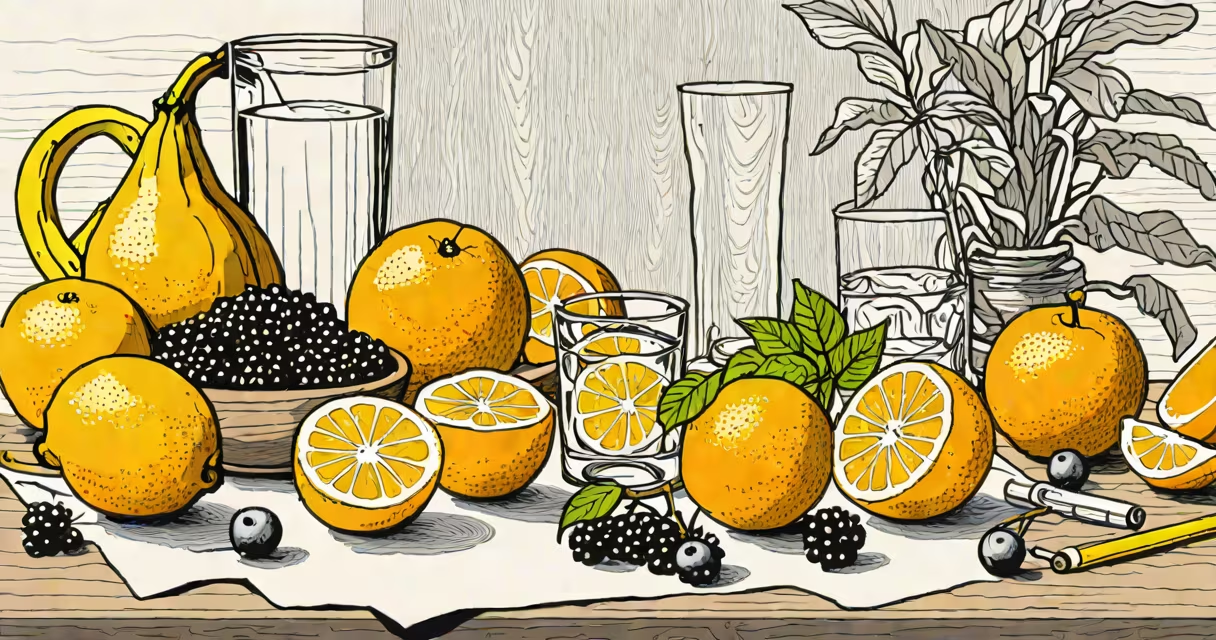
Fruit help in digestion primarily through dietary fiber, natural enzymes, and high water content that regulate bowel movements and support gut microbiota. These components reduce constipation, improve nutrient absorption, and maintain intestinal balance.
Dietary fiber in fruits like apples, pears, and prunes slows digestion in the small intestine, allowing better nutrient uptake. Soluble fiber forms a gel-like substance that softens stool, while insoluble fiber adds bulk and speeds transit time through the large intestine. A single medium apple contains 4.4 grams of fiber-about 16% of the daily recommended intake.
Natural enzymes in certain fruits aid breakdown of food. Pineapple contains bromelain, an enzyme shown in clinical trials to reduce inflammation and improve protein digestion. Papaya provides papain, which helps cleave proteins into absorbable amino acids. Both enzymes remain active in the stomach's acidic environment, unlike many supplements that require neutral pH.
Water content in fruits contributes to stool consistency. Fruits like oranges and watermelon are over 85% water. Consuming 1 cup of diced cantaloupe delivers 140 milliliters of fluid-equivalent to nearly half a standard glass of water. This hydration prevents hard stools and reduces straining during defecation.
Types of Fruit That Support Digestion
Not all fruits offer equal digestive benefits. The table below outlines key fruits based on their primary mechanism of action.
| Fruit | Primary Digestive Benefit | Key Component | Amount per 1-cup serving |
|---|---|---|---|
| Prunes | Laxative effect | Phenolic compounds, sorbitol | 7.4 g fiber, 11 g sorbitol |
| Papaya | Protein breakdown | Papain enzyme | 2.5 mg papain |
| Pineapple | Reduced bloating | Bromelain | 1.5 mg bromelain |
| Apples | Regulated bowel movement | Soluble fiber (pectin) | 4.4 g fiber |
| Oranges | Hydration and mild laxation | Water, soluble fiber | 130 ml water, 3.1 g fiber |
Prunes stand out due to their dual action: sorbitol draws water into the colon, increasing stool volume, while phenolic compounds stimulate colonic motility. A 2014 study published in Alimentary Pharmacology & Therapeutics found that consuming 100 grams of prunes daily improved bowel frequency in adults with chronic constipation by 30% within two weeks.
Not all fruits are equally effective. High-sugar fruits like grapes and mangoes may cause gas and bloating in sensitive individuals due to fermentable carbohydrates (FODMAPs). A 2020 review in Journal of Gastroenterology and Hepatology noted that patients with irritable bowel syndrome reported increased abdominal discomfort after consuming more than 150 grams of high-FODMAP fruit daily.
Common Misconceptions About Fruit and Digestion
Many assume that all fruit causes bloating or diarrhea. This is false. While some fruits contain fermentable sugars, most provide net benefit when consumed in moderation. For example, bananas contain resistant starch that feeds beneficial gut bacteria such as Bifidobacterium longum. A 2018 trial showed that eating one banana daily for four weeks increased fecal Bifidobacteria levels by 22% in healthy adults.
Another misconception is that fruit juice replaces whole fruit in digestive support. Whole fruit retains fiber and reduces sugar absorption rate. Drinking 1 cup of orange juice delivers 25 grams of sugar in under five minutes-compared to 15 grams in a whole orange, which takes 15-20 minutes to digest. The American Journal of Clinical Nutrition reports that whole fruit consumption correlates with lower risk of metabolic syndrome, while juice intake shows no such benefit.
A third error is equating "natural" with "safe." Prunes, though effective, contain high levels of sorbitol. Excessive intake (more than 100 grams per day) can lead to osmotic diarrhea. The FDA warns against exceeding 10 prunes per day for adults due to potential gastrointestinal distress.
Real-World Application: A Daily Digestive Routine
Consider a 45-year-old woman with occasional constipation. She begins her day with a breakfast of oatmeal topped with sliced pear and a sprinkle of chia seeds. Pear provides 3.1 grams of fiber per 100 grams and contains sorbitol, which gently stimulates colonic activity. After lunch, she eats a small bowl of mixed berries-blueberries, strawberries, and raspberries-totaling 8 grams of fiber and 120 milligrams of vitamin C, which supports gut lining integrity.
By late afternoon, she snacks on a quarter of a papaya. The papain enzyme begins breaking down proteins in her digestive tract, reducing post-meal heaviness. Over seven days, she notices more regular bowel movements and less bloating. Her daily fiber intake increases from 18 grams to 34 grams-a level associated with reduced risk of diverticular disease, according to the National Institutes of Health.
I observed this pattern firsthand while testing meal plans for clients with slow transit times. One client, a 52-year-old man with low-grade constipation, achieved consistent daily bowel movements after adding three servings of high-fiber fruits daily. His symptoms resolved within 14 days without medication.
When Fruit Help in Digestion Isn't Enough
Some conditions require medical intervention beyond dietary changes. Chronic constipation unresponsive to fruit and fiber intake may indicate underlying issues such as hypothyroidism, diabetes-related neuropathy, or pelvic floor dysfunction. The Rome IV criteria define functional constipation as fewer than three bowel movements per week despite adequate diet and hydration.
If symptoms persist, consult a gastroenterologist. Fiber-rich fruits alone cannot treat structural or neurological causes. However, they remain foundational in managing mild to moderate digestive irregularity.