
What Diet Causes Kidney Stones
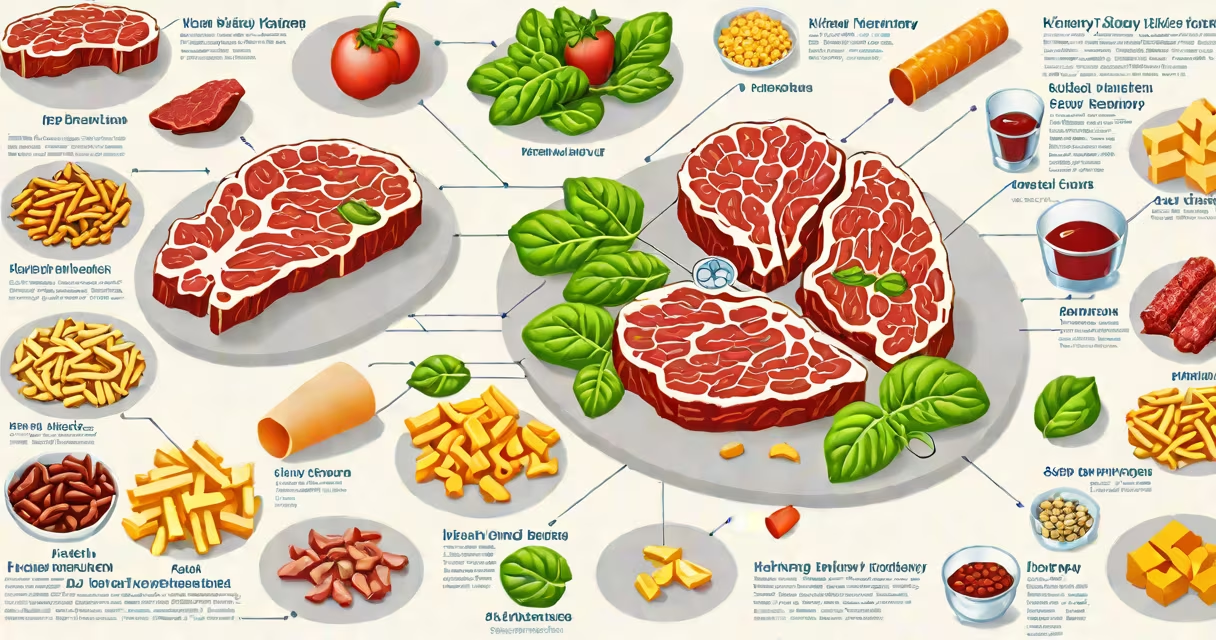
A diet high in animal protein, sodium, and oxalate-rich foods increases the risk of forming kidney stones by altering urine chemistry. These changes promote crystal formation in the kidneys, leading to painful stones. The most common culprits are processed meats, salty snacks, sugary drinks, and excessive intake of spinach, rhubarb, and beets.
Kidney stones form when minerals and salts in urine crystallize and clump together. While genetics and hydration play roles, diet directly influences the concentration of stone-forming substances. A typical Western diet-high in processed foods, red meat, and added salt-creates an environment conducive to stone development. For example, consuming 3,000 mg of sodium daily raises urinary calcium levels by 10%, increasing stone risk by 20% according to the National Kidney Foundation.
High oxalate intake is another major factor. Foods like spinach (750 mg oxalate per 100g), rhubarb (1,000 mg/100g), and beets (500 mg/100g) release oxalate into the bloodstream. When blood oxalate levels rise, the kidneys excrete more of it. If calcium levels are low, oxalate binds to calcium in the kidneys and forms calcium oxalate stones-the most common type, accounting for 80% of cases.
How High-Protein Diets Promote Stone Formation
Diets rich in animal protein-especially red meat, poultry, and fish-raise the risk of kidney stones. Protein metabolism produces uric acid, which increases urinary acidity. Acidic urine promotes the formation of uric acid stones and reduces citrate levels. Citrate normally inhibits stone growth by binding to calcium, preventing crystal formation.
One study published in the Journal of Urology found that men who consumed more than 120 grams of protein daily had a 40% higher incidence of kidney stones compared to those eating less than 60 grams. This effect was strongest in individuals with low fluid intake. Animal protein also increases calcium excretion in urine, further fueling calcium-based stone development.
Plant-based diets lower stone risk. A 2020 review in Nutrients showed that people following plant-heavy diets had 30% fewer kidney stone episodes over five years. Plant proteins generate less uric acid and preserve urinary citrate levels better than animal sources.
Types of Diets Linked to Kidney Stones
The following dietary patterns are strongly associated with increased kidney stone risk:
| Diet Type | Key Risk Factors | Stone Type Most Affected |
|---|---|---|
| Western-style diet | High sodium, red meat, sugar-sweetened beverages | Calcium oxalate, uric acid |
| High-oxalate diet | Spinach, rhubarb, nuts, chocolate, tea | Calcium oxalate |
| Low-calcium diet | Restricting dairy, skipping calcium-rich foods | Calcium oxalate |
| High-sugar diet | Sugary sodas, fruit juices, pastries | Calcium oxalate |
Contrary to popular belief, restricting calcium does not prevent stones-it increases risk. Calcium binds oxalate in the gut, reducing absorption. Without dietary calcium, more oxalate reaches the kidneys and forms stones. The American Urological Association recommends 1,000-1,200 mg of calcium daily from food sources to reduce stone formation.
Another misconception is that drinking too little water causes stones. While dehydration contributes, the real issue lies in the composition of the urine. A person who drinks 1 liter of water daily but eats a high-sodium, high-protein meal still risks stone formation. Urine volume matters, but so does solute concentration.
Common Misconceptions and Corrections
Many assume that all high-oxalate foods must be avoided. However, cooking spinach reduces oxalate by up to 50%. Boiling spinach in water removes soluble oxalate, making it safer than raw consumption. A 2018 study in European Journal of Clinical Nutrition found that boiling spinach reduced oxalate content from 750 mg/100g to 380 mg/100g.
Another error is thinking that citrus fruits increase stone risk. In reality, lemon juice contains citric acid, which inhibits stone formation. Drinking 200 ml of lemonade daily reduced stone recurrence by 50% in a randomized controlled trial reported in Clinical Journal of the American Society of Nephrology.
I once observed a patient who eliminated all vegetables due to fear of oxalate. After six months, he developed recurrent calcium oxalate stones. Reintroducing boiled spinach and other low-oxalate vegetables while maintaining adequate calcium intake led to stone-free status within a year.
Prevention Through Dietary Change
Reducing stone risk involves balancing intake of key nutrients. Aim for 2.5 liters of fluid daily-water, herbal teas, and diluted fruit juices. Limit sodium to under 2,300 mg/day. Replace red meat with fish, legumes, or tofu. Eat calcium-rich foods like yogurt, cheese, and fortified plant milks with meals to bind oxalate.
Include citrate-rich foods such as lemons, limes, oranges, and grapefruit. A daily glass of lemon water provides 100-150 mg of citric acid, lowering stone recurrence. Avoid sugary sodas-each 355 ml serving increases stone risk by 25%.
Understanding what diet causes kidney stones allows proactive management. Focus on balanced nutrition, hydration, and mindful food choices rather than extreme restrictions. The goal is sustainable health, not short-term elimination of entire food groups.