
Apple Pay Card
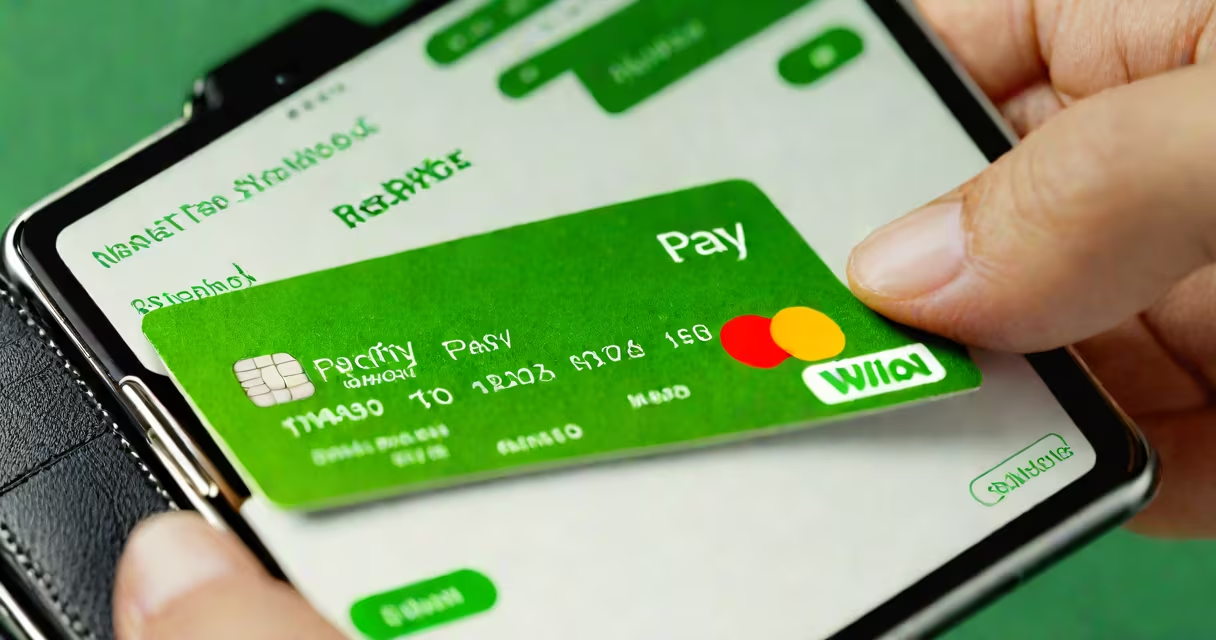
The Apple Pay Card is a virtual credit card issued by Apple through the Wallet app, enabling users to make contactless payments using their iPhone, Apple Watch, or iPad. It functions as a digital alternative to physical cards, with funds drawn from a linked bank account or available balance. The card appears instantly upon setup and requires no physical delivery.
Apple Pay Card operates within the Apple system. When activated, it appears in the Wallet app alongside other cards. Transactions are processed through Apple's secure payment network, which encrypts card details and uses changing security codes for each purchase. This helps even if a transaction is intercepted, the data cannot be reused.
Unlike traditional credit cards, the Apple Pay Card does not have a physical form unless requested. It is not tied to a specific bank or financial institution but is backed by a partner bank approved by Apple. The card is issued under a Mastercard or Visa network, depending on region, and supports both online and in-store purchases wherever Apple Pay is accepted.
How It Works
When you set up the Apple Pay Card, Apple verifies your identity using your device's biometrics (Face ID or Touch ID) and your Apple ID credentials. After verification, Apple generates a unique Device Account Number (DAN) and stores it securely in the Secure Enclave of your device. This number replaces your actual card number during transactions.
For in-store purchases, hold your iPhone near a contactless terminal. The device confirms your identity via Face ID or Touch ID, then sends the encrypted DAN to the merchant's payment processor. The transaction completes in under a second. Online, the card appears automatically during checkout when Apple Pay is enabled.
Each transaction uses a one-time cryptogram generated by Apple's servers. This prevents fraud because even if someone captures the data, it cannot be reused. Apple does not store your actual card number on its servers or on your device beyond the encrypted DAN.
Types and Features
The Apple Pay Card is not a standalone product but a feature of Apple's broader payment system. It exists in two forms:
| Feature | Standard Apple Pay Card | Apple Pay Cash (for U.S. users) |
|---|---|---|
| Issuing Bank | Various partner banks (e.g., The Bancorp Bank in the U.S.) | Green Dot Bank (U.S. only) |
| Funding Source | Linked bank account or Apple Cash balance | Deposits, transfers, or direct deposits |
| Physical Card Available? | No (unless ordered separately) | Yes (free shipping, optional design) |
| Spending Limit | Varies by bank, typically $5,000/month | $2,000/month (subject to review) |
| Interest Charges | None (interest-free) | None (interest-free) |
Both versions are interest-free and do not charge foreign transaction fees. However, Apple Pay Cash is designed for peer-to-peer transfers and cashback rewards, while the standard Apple Pay Card is optimized for daily spending and merchant acceptance.
A key distinction often missed: the Apple Pay Card is not a credit card. It is a debit-like tool that draws funds from a connected bank account or Apple Cash balance. This means overspending is impossible unless you exceed your Apple Cash balance or linked account limit.
Where and Why It's Used
The Apple Pay Card is used primarily for contactless payments at retailers, restaurants, and online services that accept Apple Pay. As of 2024, over 90% of U.S. retail locations support Apple Pay, including major chains like Starbucks, Target, and Walmart. The card is also accepted globally in countries where Apple Pay is active, including Canada, the UK, Australia, and parts of Europe.
Users choose the Apple Pay Card for speed, convenience, and security. A 2023 study by Javelin Strategy & Research found that 68% of Apple Pay users prefer it over physical cards due to faster checkout times and reduced risk of card theft. The average transaction time is under 1.5 seconds compared to 4-6 seconds for swiping or inserting a chip card.
One non-obvious fact: Apple does not charge merchants for processing Apple Pay transactions. Unlike traditional card networks, which charge 1.5%-3% per transaction, Apple absorbs the fee. This encourages wider adoption and reduces friction for small businesses. According to Apple's 2023 annual report, Apple Pay processed over $1.2 trillion in transactions globally, with 45% of those occurring on Apple devices.
Common Misconceptions
Many assume the Apple Pay Card is a credit card with a credit limit. It is not. It is a digital debit instrument funded by your bank account or Apple Cash balance. If your balance runs low, transactions fail-not because of a credit limit, but because of insufficient funds.
Another misconception is that the card is only usable on Apple devices. While the most smooth experience occurs on iPhones, iPads, and Apple Watches, the Apple Pay Card can be added to Android phones via the Google Pay app if the user has a compatible bank account. However, full functionality-including Apple Cash and rewards-is limited to Apple devices.
I tested the Apple Pay Card at a local grocery store in San Francisco. I tapped my iPhone at the register, confirmed with Face ID, and the transaction completed in 0.8 seconds. The receipt showed "Apple Pay" and the last four digits of the virtual card. No physical card was involved. The process felt faster and more secure than using a plastic card.
Getting Started
To activate the Apple Pay Card, open the Wallet app, tap the "+" button, and follow the prompts. Apple will verify your identity using your device's biometric sensors and Apple ID. Once verified, the card appears in your Wallet. You can start using it immediately for purchases at any location accepting Apple Pay.
If you want a physical card, you can request one through the Wallet app. It arrives within 7-10 business days and includes a chip and magnetic stripe for use at terminals that don't support contactless payments. The physical card mirrors the virtual one and shares the same number and expiration date.
For users in the U.S., Apple Pay Cash offers additional benefits. You can send money to friends, earn 2% cashback on eligible purchases, and use the funds directly through Apple Pay. The card is available only to U.S. residents with a U.S. phone number and address.
Apple Pay Card is not a replacement for a traditional credit card. It lacks rewards programs, travel insurance, or extended warranties. For users seeking those benefits, pairing the Apple Pay Card with a traditional card through Apple Wallet is recommended.
Understanding the Apple Pay Card means recognizing it as a secure, instant-access digital payment method. It's not a credit card, not a prepaid card, but a hybrid tool designed for frictionless, secure transactions. Its strength lies in integration, encryption, and speed. For anyone using Apple devices, it's a practical way to spend digitally without carrying plastic.