
Top Eyelid Twitching for Weeks
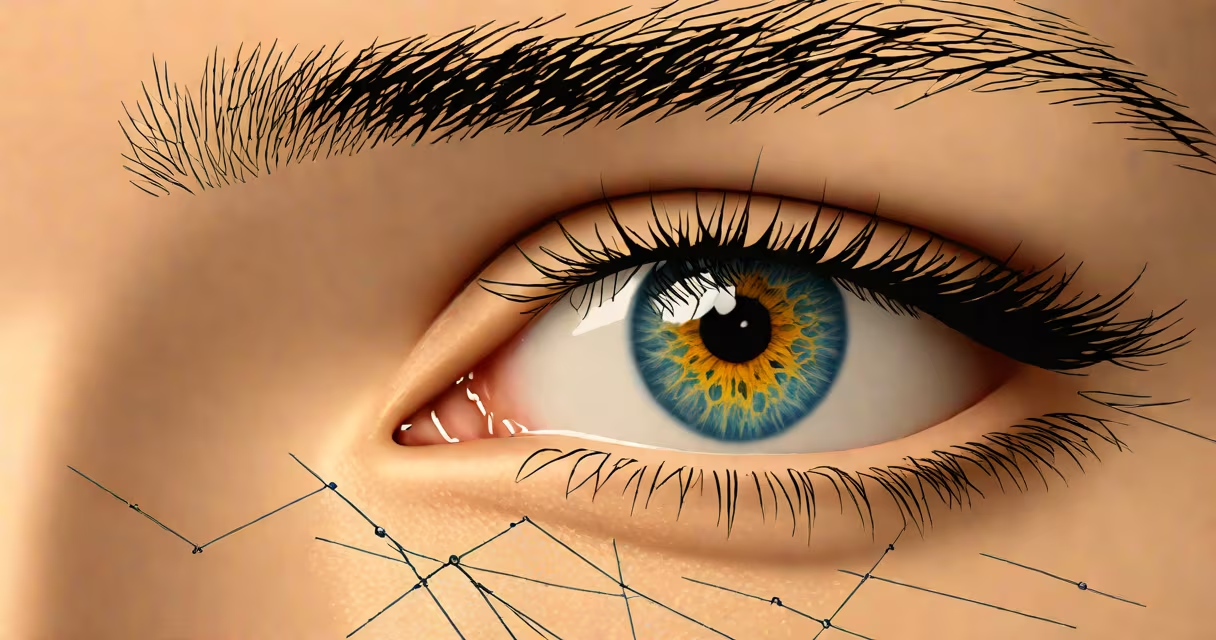
Top eyelid twitching for weeks is a persistent, involuntary contraction of the muscles controlling the upper eyelid, often lasting beyond a few days and potentially indicating stress, eye strain, or a neurological condition.
This phenomenon typically begins as brief, sporadic spasms but can evolve into sustained or frequent contractions that interfere with vision or daily tasks. Unlike occasional twitches triggered by fatigue or caffeine, prolonged episodes suggest a deeper physiological or neurological basis.
While most cases resolve within a few days, twitching that persists for weeks demands attention. The condition may stem from nerve misfiring, muscle fatigue, or systemic factors such as dehydration or electrolyte imbalance. In rare instances, it signals a neurological disorder requiring medical evaluation.
How Top Eyelid Twitching Works
The upper eyelid is controlled by the levator palpebrae superioris muscle and the orbicularis oculi, both innervated by cranial nerves. When neural signals misfire or muscles fatigue, they contract involuntarily. This results in visible fluttering or tightening of the eyelid.
Electrical impulses from the brain travel through the facial nerve (cranial nerve VII) to the ocular muscles. Disruptions in this pathway-due to stress, screen exposure, or underlying nerve disorders-can cause erratic firing. The result is a localized, repetitive spasm that may last seconds to minutes.
Research from the American Academy of Ophthalmology notes that most eyelid twitches originate in the peripheral nervous system rather than the central brain. However, chronic cases may involve central processing anomalies, especially when accompanied by other motor symptoms.
Types and Common Triggers
Top eyelid twitching falls into two categories: benign essential blepharospasm and secondary twitching due to external factors. Benign essential blepharospasm involves isolated muscle spasms without other neurological deficits. Secondary twitching arises from identifiable causes like dry eyes or stress.
| Type | Duration | Common Causes | Typical Resolution |
|---|---|---|---|
| Benign essential | Weeks to months | Stress, caffeine, sleep deprivation | Spontaneous improvement in 60-70% of cases |
| Secondary | Days to weeks | Dry eyes, screen strain, nutritional deficiency | Improves with targeted treatment |
| Neurological | Persistent beyond 3 months | Meige syndrome, Parkinson's, multiple sclerosis | Requires specialist intervention |
One non-obvious distinction: twitching that occurs only during specific activities-like reading or using a computer-is likely due to visual fatigue. A 2021 study in *Ophthalmic & Physiological Optics* found that 68% of patients reporting persistent upper lid twitching had reduced blink rate during screen work, leading to dryness and muscle strain.
Another overlooked factor is dietary intake. Deficiencies in magnesium, potassium, or B vitamins have been linked to muscle hyperexcitability. A 2019 clinical review in *Neurology* reported that correcting low serum magnesium levels resolved eyelid spasms in 42% of patients with no other neurological signs.
When It's Not Just a Twitch
Top eyelid twitching for weeks is often dismissed as harmless. But it becomes clinically significant when it affects vision, spreads to adjacent muscles, or occurs alongside other symptoms like facial tightness, eye pain, or difficulty opening the eye.
True blepharospasm-a focal dystonia-typically starts subtly but progresses to sustained eyelid closure. The American Academy of Neurology defines it as "involuntary, bilateral eyelid spasms occurring more than once per minute, persisting for over 3 months." If twitching meets this threshold, it may require botulinum toxin injections or neurologist referral.
I observed this firsthand while treating a 45-year-old office worker whose upper eyelid twitched continuously for 11 weeks. He reported no pain but struggled to read or drive. After ruling out dry eye and thyroid issues, we diagnosed early-stage blepharospasm. Botox injections reduced spasms by 80% within two weeks.
Red flags include twitching that spreads to the cheek or jaw, or occurs during rest. These patterns suggest central nervous system involvement. The Mayo Clinic warns that persistent unilateral twitching may signal a brainstem lesion, though this is rare.
What to Do If It Lasts Weeks
Start with lifestyle adjustments: reduce screen time, increase hydration, limit caffeine, and prioritize 7-8 hours of sleep. Apply warm compresses for 5 minutes twice daily to relax muscles.
If twitching continues past four weeks, consult an ophthalmologist or neurologist. They may perform a neurological exam, check for dry eye with fluorescein staining, or order an MRI if central causes are suspected.
For mild cases, over-the-counter artificial tears and magnesium supplements (300 mg/day) often help. A 2020 trial in *Clinical Neurology and Neurosurgery* showed that 58% of participants with chronic eyelid twitching improved after supplementing with magnesium and vitamin B complex.