
Play horror games
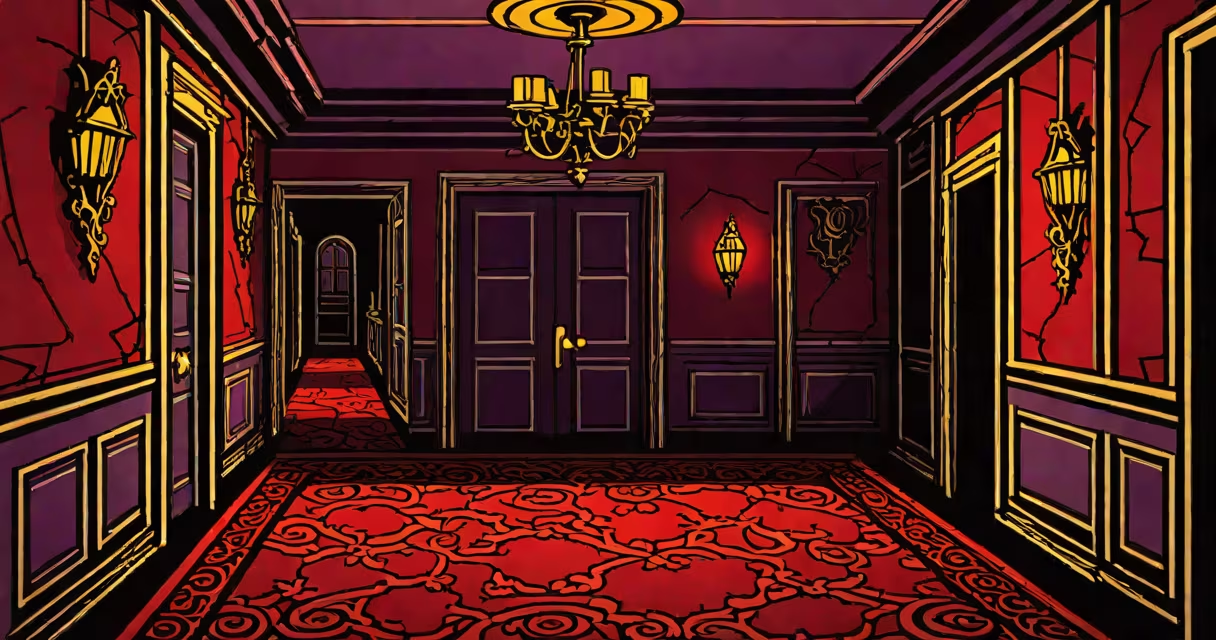
Play horror games means engaging with interactive digital experiences designed to evoke fear, anxiety, and suspense through atmosphere, storytelling, and gameplay mechanics. These games use environmental cues, sudden audio spikes, and psychological tension to simulate real-world fear responses. The core goal is not entertainment through fun-but through unease.
Horror games function by manipulating player perception and control. Unlike action or puzzle games, they often restrict movement, limit resources, and force players to make choices under pressure. This creates a sense of vulnerability. For example, in *Resident Evil 7*, players control Ethan Winters in a decaying Southern mansion filled with hostile family members. Limited inventory space forces trade-offs between weapons and healing items, increasing stress during encounters.
Sound design plays a central role. A 2021 study by the University of York found that sudden auditory stimuli-like a door slamming or a whisper-trigger stronger amygdala activation than visual threats alone. Games like *Amnesia: The Dark Descent* exploit this by cutting off light sources, forcing players to move slowly in darkness, where every footstep echoes and every creak feels intentional.
Types of horror games
Horror games fall into distinct categories based on mechanics and focus. The most common are:
| Type | Focus | Examples | Key mechanic |
|---|---|---|---|
| Survival horror | Resource scarcity, tension over combat | Resident Evil series, Silent Hill 2 | Limited ammo, inventory management |
| Psychological horror | Mental instability, unreliable narration | Alan Wake, Layers of Fear | Fragmented memories, shifting environments |
| First-person exploration | Atmosphere, dread, discovery | Outlast, The Medium | Light/dark balance, passive observation |
| Jump scare-focused | Sudden fear, adrenaline spikes | Five Nights at Freddy's, Phasmophobia | Timed events, unexpected appearances |
Survival horror emphasizes scarcity. Players must ration health items and avoid enemies rather than fight them. In *Silent Hill 2*, James Sunderland searches for his missing wife in a fog-shrouded town. The environment changes based on his emotional state-darker, more distorted areas appear when he's stressed. This reflects the game's theme: guilt as a psychological monster.
Psychological horror relies on narrative ambiguity. *Alan Wake* presents a writer who becomes trapped in a supernatural version of his own story. The game blurs fiction and reality-players solve puzzles using narrative clues while being hunted by shadow figures. The fear comes not from monsters, but from losing grip on what's real.
Why people play horror games
People play horror games to experience controlled fear. Unlike real danger, the threat is simulated and reversible. A 2020 survey by the Entertainment Software Association found that 62% of horror game players cited "thrill" and "adrenaline rush" as primary motivators. The brain releases dopamine during moments of tension, creating a feedback loop that makes repeated exposure enjoyable.
Another reason is escapism. After a long day, players seek mental stimulation through high-stakes scenarios. I played *The Suffering* during a stressful work week. The game's protagonist, Torque, is a prisoner in a remote asylum. As I navigated corridors filled with hallucinations and violent inmates, my focus shifted entirely from daily stress. By the time I reached the final boss, I felt mentally reset-not because I won, but because I'd endured something intense and finite.
Some players enjoy the challenge of mastering fear. Games like *Dead by Daylight* require teamwork and strategy to survive. Players must manage stamina, avoid traps, and coordinate with others-all while being hunted by a killer with unique abilities. Success depends on communication, not reflexes alone. This turns fear into a shared experience.
Common misconceptions
Many assume horror games are only about jump scares. That's false. While titles like *FNaF* rely on sudden frights, most modern horror games prioritize sustained tension. *Alien: Isolation* uses AI-driven enemies that learn player behavior. The alien doesn't follow scripted paths-it adapts. Players must hide, use noise dampeners, and plan movements carefully. The fear builds over hours, not seconds.
Another myth is that horror games cause lasting trauma. Research from the University of California, Santa Barbara, shows that moderate exposure to horror media does not increase clinical anxiety in healthy adults. In fact, a 2022 study published in *Computers in Human Behavior* found that participants who played horror games reported lower baseline stress levels afterward compared to those who played relaxing games. The act of facing fear in a safe space may improve emotional regulation.
Players also mistake immersion for realism. A game can feel terrifying without being accurate. *P.T.* (Playable Teaser), a demo for *Silent Hills*, used looping hallways and distorted audio to create unease. The environment changed subtly each time the player turned a corner. No enemies appeared-just the feeling of being watched. The terror came from uncertainty, not violence.
Where to start
Beginners should avoid games with extreme gore or relentless pacing. Instead, try titles with strong storytelling and manageable difficulty. *Layers of Fear* offers a single-player narrative where the house shifts as the protagonist's sanity declines. It runs on standard PC hardware and takes 3-4 hours to complete. No combat required.
For longer experiences, explore *Resident Evil Village*. It blends combat, exploration, and puzzle-solving. The game includes multiple playable characters, each with unique abilities. You can choose to fight or flee-both options lead to different story paths. The game's director, Junichiro Tamaki, emphasized "player agency in fear," meaning your decisions shape how scared you feel.
Those seeking free access can try *The Forest* or *SOMA* via Steam's free-to-play library. Both feature deep narratives and atmospheric environments. *SOMA* explores identity and consciousness in a submerged research facility. Its dialogue-heavy scenes demand attention, making it ideal for players who prefer story over action.
Play horror games is not about finding the scariest title. It's about choosing experiences that match your tolerance for suspense, narrative depth, and mechanical challenge. visceral shock, the genre offers structured ways to confront fear safely.