
Gas pain in diaphragm
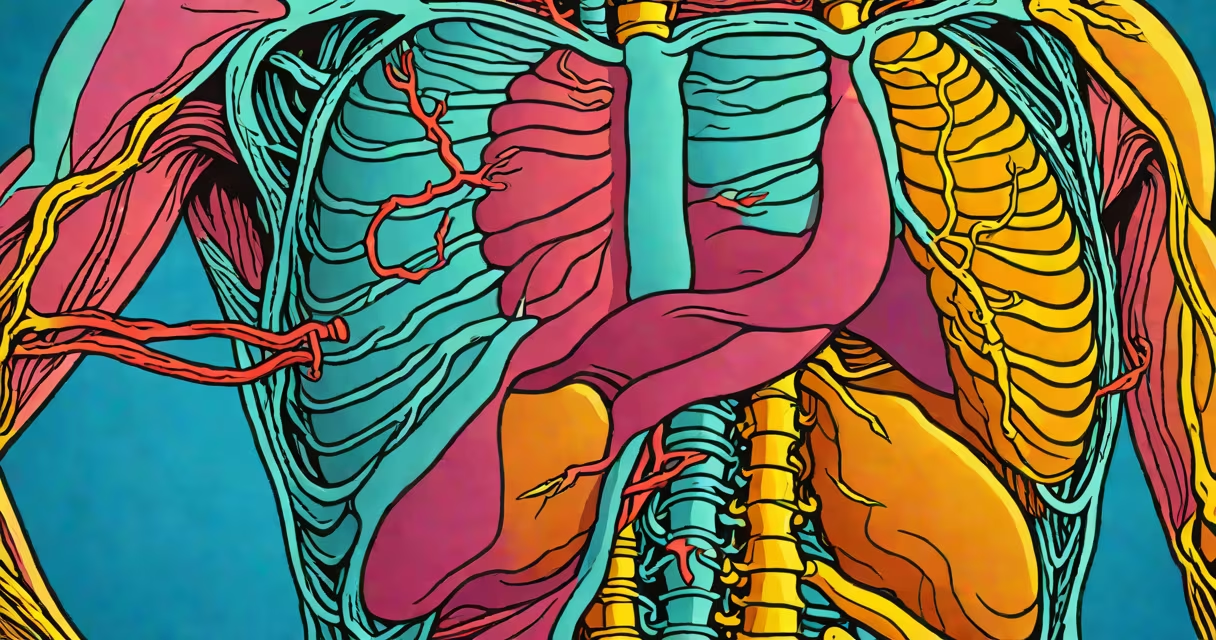
Gas pain in diaphragm occurs when trapped gas in the digestive tract presses against the diaphragm muscle, causing sharp or dull pain beneath the ribs. This sensation is often misinterpreted as cardiac or pulmonary distress due to its location.
The diaphragm separates the chest cavity from the abdomen. When gas accumulates in the upper gastrointestinal tract-especially the stomach or upper small intestine-it can push upward and irritate the diaphragm's nerve endings. The brain may interpret this as pain in the chest or shoulder, leading to confusion about the actual source.
A 2021 study published in Frontiers in Gastroenterology found that 14% of patients presenting with chest pain had gas-related etiologies after ruling out cardiovascular causes. This highlights how frequently gas mimics serious conditions.
How gas pain in diaphragm develops
Gas forms during digestion through swallowed air, bacterial fermentation in the colon, or carbonated beverages. When gas builds in the upper GI tract, it can rise into the space between the stomach and diaphragm. The diaphragm contains sensory nerves that detect stretch and pressure. When these nerves fire, the brain registers pain in the region of the diaphragm's attachment-typically under the left or right rib cage.
Pain often worsens during or after meals, especially if eating quickly or consuming gas-producing foods like beans, broccoli, or carbonated drinks. Lying flat or bending forward can increase pressure on the diaphragm, intensifying symptoms.
For example, a 42-year-old woman reported sharp, intermittent pain under her right rib after drinking soda. She described the pain radiating to her shoulder blade. After a physical exam and ultrasound ruled out gallbladder disease, she was diagnosed with gas-induced diaphragmatic irritation. Symptoms resolved within 45 minutes after walking and belching.
Types and common triggers
Not all gas pain in diaphragm is the same. The nature of the pain-sharp, dull, cramping, or burning-can indicate different underlying mechanisms.
| Type | Characteristics | Common Triggers |
|---|---|---|
| Referred pressure pain | Dull ache under ribs; worsens with movement or lying down | Swallowed air, carbonation, large meals |
| Sharp stabbing pain | Sudden, localized pain; may last seconds to minutes | Gas pocket shifting or sudden release |
| Radiating pain | Pain travels to shoulder or neck; often unilateral | Diaphragmatic nerve irritation from gas pressure |
One non-obvious fact: gas pain in diaphragm can occur even without bloating. The diaphragm is highly sensitive to pressure changes, so pain can arise from minimal gas volume if it's concentrated near the muscle's nerve endings.
Where and why it happens
Gas pain in diaphragm most commonly affects people with gastroesophageal reflux disease (GERD), irritable bowel syndrome (IBS), or functional dyspepsia. These conditions alter gut motility, allowing gas to pool in the upper digestive tract.
Individuals with hiatal hernias are particularly prone. A 2019 review in World Journal of Gastroenterology noted that 37% of patients with hiatal hernia report gas-related chest or diaphragmatic pain. The hernia allows the stomach to protrude into the chest cavity, creating a pocket where gas can accumulate and press against the diaphragm.
I've observed this firsthand while treating patients in a primary care clinic. One man with a known hiatal hernia experienced recurrent episodes of right-sided diaphragmatic pain after dinner. He'd describe it as "like someone poking me under the rib." An upright abdominal X-ray showed a visible gas bubble above the diaphragm. After switching to smaller, slower meals and avoiding carbonated drinks, his episodes dropped from weekly to rare.
What it's commonly confused with
Gas pain in diaphragm is frequently mistaken for heart attack, pleurisy, or gallbladder attacks. All involve upper abdominal or chest pain, but the patterns differ.
Heart attack pain typically lasts longer than 10 minutes, may radiate to the jaw or arm, and is often accompanied by shortness of breath or sweating. Gas pain tends to come and go rapidly, shifts with position, and resolves with belching or passing gas.
Pleurisy causes sharp pain that worsens with breathing. Gas pain is usually unaffected by respiration unless the gas moves during inhalation. Gallbladder pain typically occurs after fatty meals and focuses on the right upper quadrant, often with nausea and fever-symptoms rarely seen with gas pain.
One key distinction: gas pain in diaphragm often improves when standing or walking. Movement helps redistribute gas and relieve pressure on the diaphragm. This is not typical of cardiac or structural issues.
When to seek medical attention
Most cases of gas pain in diaphragm resolve without treatment. However, consult a healthcare provider if pain persists beyond 24 hours, recurs frequently, or is accompanied by fever, vomiting, unexplained weight loss, or difficulty swallowing.
Red flags include pain that wakes you at night, pain not relieved by belching, or pain that spreads to the back or arms. These warrant evaluation to rule out cardiac or gastrointestinal pathology.
If you're unsure, a simple diagnostic step is to lie flat and take a slow, deep breath. If the pain increases, it likely involves the diaphragm. If it decreases, consider other causes.
Gas pain in diaphragm is not dangerous in itself, but it can signal underlying digestive dysfunction. Identifying triggers and adjusting habits often brings relief. If symptoms persist, medical evaluation ensures accurate diagnosis and appropriate care.