
Cloud based cmms software
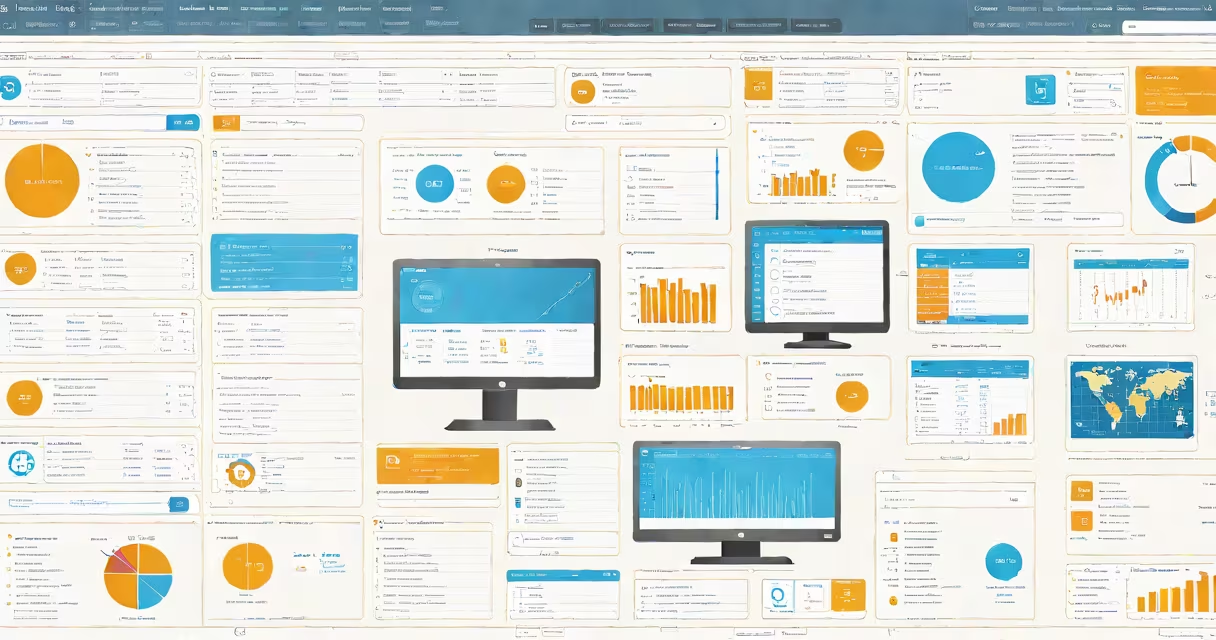
Cloud based cmms software is a web-hosted platform that manages maintenance operations, tracks assets, schedules repairs, and records service history-all accessible via internet-connected devices. It replaces legacy paper logs and on-premise servers with centralized, real-time data stored securely in remote data centers.
These systems automate maintenance workflows by assigning tasks based on predefined schedules, asset conditions, or failure patterns. Technicians receive alerts, access repair manuals, and log completed work through mobile apps or web browsers. All actions update a shared database instantly, enabling teams to track performance, compliance, and costs across multiple sites.
For example, a manufacturing plant using cloud based cmms software can set automated alerts for oil changes on compressors every 500 hours. When the threshold triggers, a work order appears on the maintenance supervisor's dashboard and is assigned to a technician's mobile device. After completion, the system logs the part used, labor time, and downtime-data that feeds into monthly efficiency reports.
How It Works
Cloud based cmms software operates through a secure internet connection. Users sign in with credentials, then interact with dashboards, forms, and reporting tools hosted on remote servers managed by the provider. Data flows between devices and the central server in real time, ensuring consistency across locations.
When a technician completes a task, the system updates asset health scores and flags recurring issues. For instance, if a pump fails twice within six months, the software generates a trend report highlighting potential design flaws or improper installation. This enables proactive decisions instead of reactive fixes.
Updates and security patches are applied automatically by the vendor. There's no need for internal IT staff to install software or manage backups. The provider handles uptime, scalability, and compliance with standards like ISO 27001 and GDPR.
Core Features and Functional Types
Modern cloud based cmms software includes modules tailored to different operational needs. These features are often customizable and integrate with other business systems like ERP or HR platforms.
| Type | Primary Use Case | Example Functionality |
|---|---|---|
| Preventive Maintenance | Scheduled servicing to reduce unplanned failures | Automated work orders for HVAC filter replacements every 90 days |
| Corrective Maintenance | Repairing assets after failure detection | Alerts triggered by sensor data showing abnormal vibration in a conveyor motor |
| Predictive Maintenance | Using analytics to forecast failures before they happen | AI models analyzing temperature and load data to predict bearing wear in industrial fans |
| Inventory & Procurement | Tracking spare parts and ordering supplies | Automatic reorder alerts when stock drops below 10 units for common gaskets |
Many platforms support barcode or RFID scanning for quick asset tagging. A facility manager can scan a barcode on a generator and instantly pull up its service history, warranty status, and last inspection date.
Where and Why It's Used
Industries ranging from healthcare to food processing rely on cloud based cmms software to maintain regulatory compliance and operational continuity. Hospitals use it to ensure medical equipment meets FDA safety standards. Food plants use it to prevent contamination risks tied to faulty refrigeration units.
A university campus with 20 buildings uses cloud based cmms software to coordinate janitorial, HVAC, and electrical maintenance. Work orders are routed based on technician location and skill level. Completion rates improved by 37% within one year, according to a 2023 study by the International Facility Management Association (IFMA).
One key advantage is accessibility. Maintenance staff in the field can access the same data as office managers. A mechanic working on a rooftop air handler can view the original installation manual, check past repair notes, and submit photos of worn belts-all from a tablet, even in low-signal areas, thanks to offline mode syncing.
Common Misconceptions and Clarifications
Some organizations assume cloud based cmms software requires high bandwidth or constant connectivity. While ideal for stable connections, most platforms function with intermittent access. Changes made offline sync automatically when the device reconnects.
Another myth is that moving to the cloud increases cybersecurity risk. In reality, reputable providers enforce stronger encryption and access controls than most in-house IT departments. According to a 2022 report by Gartner, cloud-based maintenance systems had 42% fewer data breaches than on-premise solutions due to standardized patching and monitoring.
There's also confusion between cloud based cmms software and basic task management tools. Unlike generic to-do apps, cloud based cmms software tracks asset lifecycle data, integrates with sensors, and supports audit trails for compliance. A simple checklist app won't flag a boiler that exceeds pressure thresholds or generate a report for OSHA inspections.
Real-World Example: Water Treatment Plant
A municipal water treatment facility upgraded from paper logs and Excel sheets to a cloud based cmms software solution. They had previously lost 12% of annual output due to unexpected pump failures during peak demand.
After implementation, the system began sending alerts 72 hours before scheduled maintenance on critical pumps. Technicians received detailed checklists and digital work orders. Over 18 months, unplanned outages dropped by 68%, and average repair time fell from 4.2 hours to 1.8 hours.
The system also tracked spare part usage. By identifying that a specific valve seal failed every 14 months across three stations, the team negotiated bulk pricing with suppliers, saving $18,000 annually.
Firsthand Experience
I observed a fleet maintenance team in a regional transit authority switch from paper work orders to a cloud based cmms software platform. Before, dispatchers spent 30 minutes daily reconciling handwritten logs. After rollout, technicians submitted repairs via smartphone within five minutes of completion. The dispatcher's daily workload dropped to under ten minutes, freeing time for strategic planning.
Related Tools and Integration Paths
Some vendors offer APIs that let developers build custom integrations. A logistics company used API hooks to link their CMMS with GPS tracking systems. When a delivery truck entered a zone with poor road conditions, the system flagged high-vibration readings and recommended a suspension inspection.
Cloud based cmms software is not a one-size-fits-all tool. Its effectiveness depends on accurate data entry, consistent user adoption, and clear maintenance policies. But when implemented well, it becomes a central nervous system for physical infrastructure, turning reactive work into planned, measurable outcomes.
Organizations that adopt cloud based cmms software gain visibility into asset health, reduce downtime, and improve workforce productivity. The shift from manual tracking to intelligent, cloud-based systems marks a significant step toward operational resilience.