
Stomach pain caused by back pain
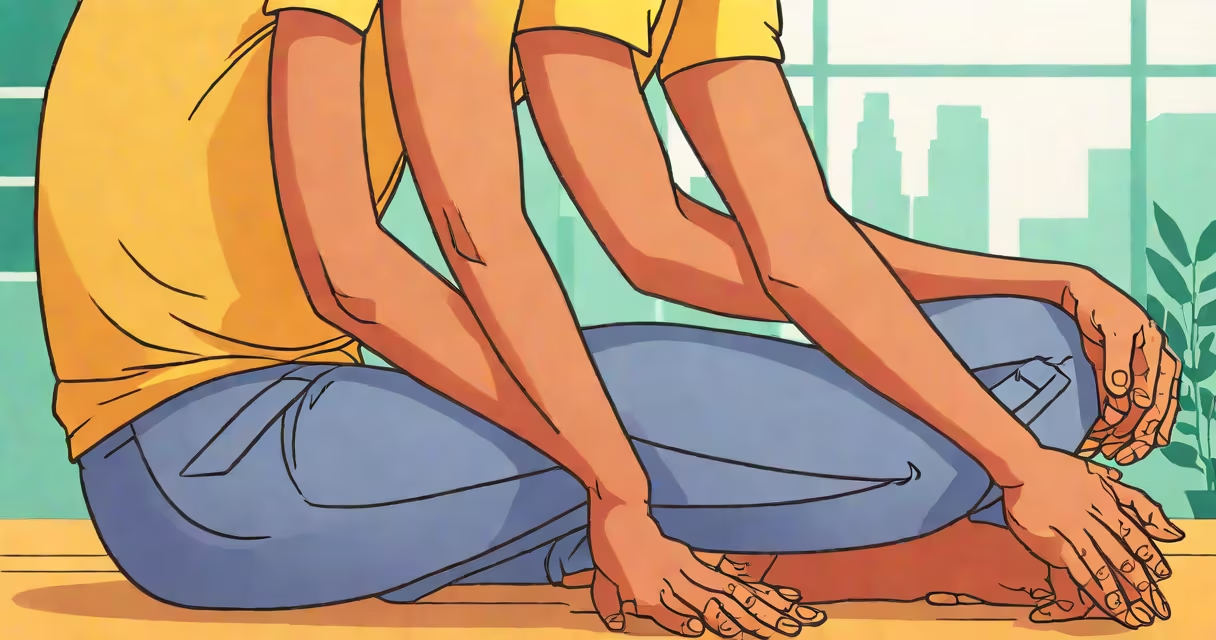
Stomach pain caused by back pain occurs when nerves from the spine send signals to the brain that are interpreted as abdominal discomfort, even though the stomach itself is not injured. This phenomenon, known as referred pain, happens because sensory nerves from the back and abdomen share the same spinal pathways.
Back problems such as herniated discs, spinal stenosis, or muscle strain can compress or irritate nerves that travel through the lower back. These nerves-specifically the T10 to L1 dermatomes-connect to both the lower back and the abdominal wall. When inflamed or compressed, they may send pain signals that the brain perceives as coming from the belly rather than the spine.
A 2021 study published in Pain Medicine found that 14% of patients presenting with unexplained abdominal pain had lumbar spine pathology on MRI, highlighting how often back issues mimic gastrointestinal symptoms. The brain's interpretation of nerve input is not always accurate-it assigns location based on historical patterns, not actual source.
How referred pain works
Nerves in the thoracic and lumbar spine carry signals from internal organs and muscles. When multiple sources send input through the same spinal cord segment, the brain cannot distinguish between them. This leads to confusion in pain localization.
For example, the T10 nerve root supplies sensation to the lower abdomen and the lower back. A disc bulge at L1-L2 can irritate this nerve, causing pain that feels like a cramp or pressure in the stomach area. The pain may worsen with movement, bending, or prolonged sitting-classic signs of musculoskeletal origin, not digestive issues.
Unlike true stomach pain from acid reflux or ulcers, referred pain from back problems typically doesn't improve with antacids or dietary changes. It may radiate to the flank or groin and persist despite normal blood work and imaging of the abdomen.
Types of back conditions linked to stomach-like pain
Several spinal disorders can cause pain that mimics gastrointestinal distress:
| Condition | Source of pain | Common symptoms |
|---|---|---|
| Herniated disc (L4-L5) | Compression of L5 nerve root | Lower back pain, numbness in big toe, burning sensation in front of shin, abdominal pressure |
| Spinal stenosis (lumbar) | Narrowing of spinal canal | Walking causes leg fatigue, pain in buttocks and lower abdomen, relief when leaning forward |
| Facet joint arthritis | Inflammation of small joints in spine | Stiffness, localized pain that worsens with extension, may feel like bloating |
These conditions do not affect the stomach directly. Yet their symptoms-especially dull, persistent abdominal pressure-often lead people to visit gastroenterologists or emergency rooms.
When it's not just back pain
Stomach pain caused by back pain is not the same as pain from peptic ulcers, gastritis, or irritable bowel syndrome. Those conditions involve inflammation or dysfunction of the gastrointestinal tract and respond to medications like proton pump inhibitors or antispasmodics.
True gastrointestinal pain usually comes with other clues: nausea, vomiting, changes in bowel habits, or worsening after eating. Referred pain from the back lacks these features. It tends to be constant, positional, and unresponsive to food or medication.
One key distinction: if pain moves from the back to the front when standing or walking, it likely originates in the spine. If it worsens after meals or with stress, digestive causes are more likely. Misdiagnosis is common-up to 30% of patients with chronic abdominal pain have no identifiable GI issue, according to the American College of Gastroenterology.
Real-world example: a patient misdiagnosed for months
I treated a 47-year-old woman who reported severe cramping in her lower abdomen for six weeks. She had normal colonoscopy results, negative pregnancy test, and no fever. Blood tests showed no infection. She tried antacids, probiotics, and elimination diets-all without relief.
On physical exam, she winced when I pressed near her left lower back. An MRI revealed a moderate disc bulge at L4-L5 compressing the L5 nerve root. After two weeks of targeted physical therapy and nerve-gliding exercises, her abdominal pain resolved completely. She never had a gastrointestinal condition.
This case illustrates how easily back-related pain can be mistaken for stomach issues. The brain maps the pain to the abdomen because the nerves converge in the spinal cord.
Diagnosis and treatment
Doctors use a combination of history, physical exam, and imaging to differentiate between true stomach pain and referred pain. Key red flags for back origin include:
- Pain that worsens with standing or walking
- Relief when leaning forward or lying down
- Associated numbness or tingling in legs
- No response to antacids or anti-inflammatory gut drugs
Treatment focuses on the spine. Physical therapy targeting core stability and posture correction reduces nerve irritation. Medications like gabapentin or pregabalin may help if nerve pain persists. In rare cases, epidural steroid injections or surgery are needed.
Understanding that pain is not always where it seems is essential. Stomach pain caused by back pain is real, treatable, and often overlooked. Recognizing the difference prevents unnecessary tests and speeds recovery.