
Why Does the Pneumonia Shot Hurt
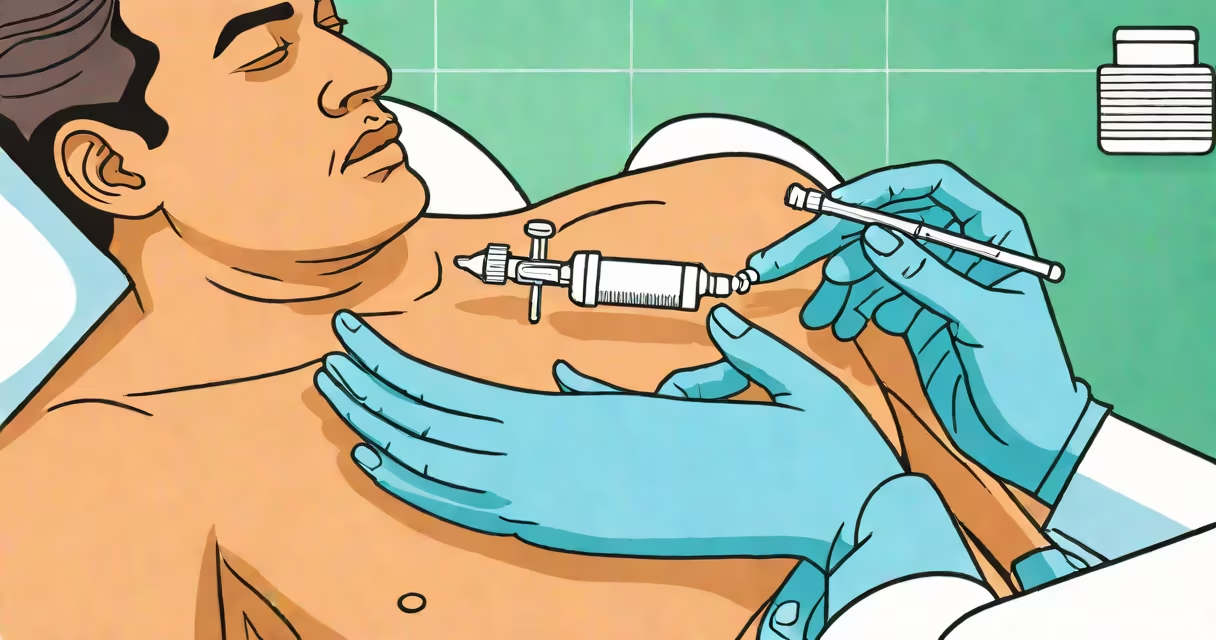
The pneumonia shot hurts because it triggers localized inflammation and immune cell activity at the injection site. The vaccine contains components that mimic bacteria, prompting your body to respond with pain, swelling, and warmth-signs of a working immune system.
Pneumococcal vaccines, such as PCV20 and PPSV23, contain purified polysaccharides or protein conjugates derived from Streptococcus pneumoniae. When injected into the deltoid muscle, these substances activate dendritic cells and macrophages. These immune cells release signaling molecules like interleukin-1β and tumor necrosis factor-alpha, which stimulate nerve endings near the injection site. This process causes acute pain during and shortly after the shot.
According to the Centers for Disease Control and Prevention (CDC), mild to moderate pain at the injection site occurs in 30-50% of adults receiving the pneumococcal vaccine. The sensation typically lasts 1-2 days and resolves without treatment. Severe pain lasting more than 3 days is rare and may indicate an underlying condition requiring medical evaluation.
How the Injection Triggers Pain
When the needle pierces the skin and enters the muscle, it damages tissue and activates nociceptors-nerve cells sensitive to mechanical and chemical stimuli. The physical trauma of the needle alone causes brief sharp pain. But the ongoing discomfort stems from the immune response triggered by the vaccine's antigens.
Immune cells migrate to the injection site within minutes. They release cytokines, small proteins that communicate between cells. Interleukin-6 and prostaglandin E2 increase sensitivity to pain by lowering the threshold at which nerves fire. This amplifies the perception of soreness and tenderness even after the needle is removed.
A 2021 study published in Frontiers in Immunology found that individuals with higher baseline levels of C-reactive protein-a marker of systemic inflammation-reported greater pain intensity after receiving the pneumococcal vaccine. This suggests that pre-existing inflammatory states may heighten sensitivity to vaccine-induced pain.
Types of Reactions and Their Causes
Reactions to the pneumonia shot fall into three categories: immediate, short-term, and rare long-term. Most people experience only mild, transient symptoms.
| Reaction Type | Common Symptoms | Onset & Duration | Underlying Cause |
|---|---|---|---|
| Immediate | Sharp sting, burning | During injection; lasts seconds | Nerve stimulation from needle puncture |
| Short-term | Soreness, redness, swelling | 1-3 days post-injection | Local immune cell recruitment and cytokine release |
| Rare long-term | Chronic pain, persistent swelling | Over 3 days; may persist weeks | Autoimmune reaction or localized infection (very uncommon) |
Redness and swelling larger than 2 cm around the injection site are considered abnormal. The CDC reports such reactions occur in fewer than 1% of recipients. If swelling spreads beyond the injection area or is accompanied by fever above 38°C (100.4°F), seek medical advice to rule out infection or allergic reaction.
Common Misconceptions and Clarifications
Many assume the pneumonia shot hurts more than other vaccines because it contains "stronger" ingredients. This is incorrect. The pain level correlates with immune activation, not ingredient potency. For example, the shingles vaccine (Shingrix) often causes more intense local reactions than the pneumonia shot, despite being less complex in formulation.
Another misconception is that pain indicates effectiveness. While mild soreness signals immune engagement, it does not predict protection. A 2020 clinical trial in The Lancet Infectious Diseases showed that participants who reported no pain after the pneumococcal vaccine still developed protective antibody titers comparable to those with soreness.
Some patients confuse delayed pain with injury. If discomfort begins hours after the shot and worsens over time, it may stem from improper injection technique-such as injecting too shallowly into subcutaneous fat rather than deep into the deltoid muscle. The CDC recommends intramuscular injection at a 90-degree angle for optimal delivery and reduced pain risk.
Real-World Example: A Patient's Experience
In 2022, a 68-year-old man received the PCV20 vaccine during a routine checkup. He reported immediate stinging upon injection, followed by increasing soreness in his left shoulder by evening. By the next morning, he had a 3 cm red area and moderate tenderness. His primary care provider confirmed this was typical. He applied a cold compress and took acetaminophen. Symptoms resolved completely by day three.
This case illustrates that pain is expected in many recipients. The patient did not require antibiotics or further intervention. His experience aligns with CDC data showing 42% of adults report injection-site pain after PCV20, with most resolving within 48 hours.
What You Can Do to Reduce Discomfort
Applying a cold pack to the injection site within 30 minutes reduces swelling and numbs nerve endings. Avoid rubbing the area, as this increases blood flow and may worsen inflammation. Over-the-counter pain relievers like ibuprofen or acetaminophen can ease soreness if needed.
Staying hydrated and avoiding alcohol on the day of vaccination may also reduce systemic inflammation. Some clinics offer distraction techniques-like asking patients to count backward or focus on breathing-to lower anxiety-related pain perception. A 2019 study in Pain Medicine found that cognitive distraction reduced perceived pain by 25% in adult vaccine recipients.
For those with a history of severe injection-site reactions, discuss pre-medication options with your provider. Low-dose corticosteroids are sometimes used off-label to dampen inflammation, though they're not routinely recommended due to potential side effects.
When pain persists beyond 72 hours, especially with worsening redness or pus, contact your healthcare provider. These signs may indicate cellulitis or abscess formation, requiring antibiotic treatment.
Understanding why the pneumonia shot hurts helps demystify a common concern. The discomfort is not a flaw-it's proof the vaccine is working. Your body is building defenses against a bacterium responsible for over 1 million deaths annually worldwide, according to the World Health Organization.