
Why Do I Keep Craving Salt
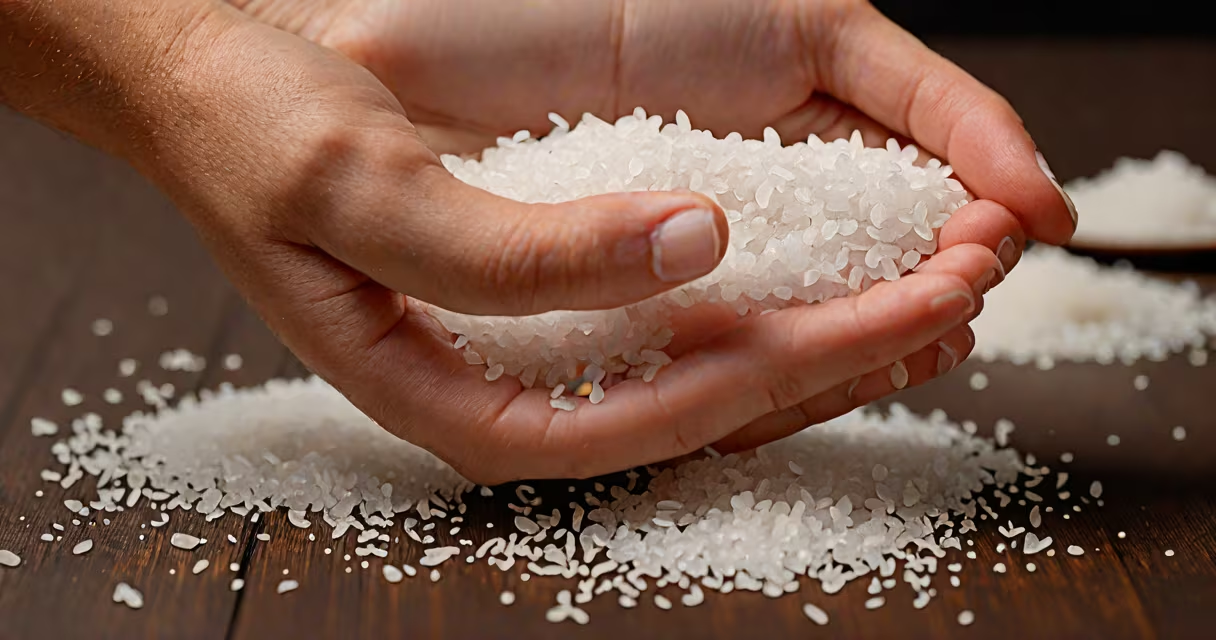
Recurring salt cravings often stem from dehydration, low sodium levels, or an imbalance in electrolytes. They can also indicate an underlying condition such as adrenal insufficiency or certain medications affecting sodium regulation.
Salt cravings are not simply about taste preference. They reflect your body's attempt to restore internal balance. When blood sodium drops slightly, the brain triggers a desire for salty foods to correct the imbalance. This mechanism evolved to prevent life-threatening conditions like hyponatremia, where sodium levels fall too low.
The hypothalamus, a region in the brain responsible for regulating hunger and thirst, monitors blood sodium concentration. If it detects a drop, it activates neural pathways that produce the sensation of salt craving. This process is part of a larger system involving the kidneys, adrenal glands, and hormones like aldosterone.
How Salt Cravings Work
Your body maintains a narrow range of sodium concentration in the blood-about 135 to 145 millimoles per liter. Deviations trigger compensatory mechanisms. When sodium levels dip, the adrenal glands release aldosterone, which tells the kidneys to retain sodium and water. But if sodium loss continues-through sweat, diarrhea, or poor diet-the system can't keep up, leading to cravings.
Dehydration is a common cause. Even mild dehydration reduces blood volume, lowering sodium concentration. A 2016 study published in Physiology & Behavior found that participants who restricted fluid intake reported increased salt cravings within 24 hours, even without significant sodium loss.
Exercise-induced sweating can deplete sodium quickly. Marathon runners often report intense salt cravings during or after long runs. A 2020 review in Journal of Sports Medicine noted that athletes losing more than 1% of body weight through sweat are at higher risk for electrolyte imbalances, including sodium deficiency.
Types of Salt Cravings and Their Causes
Not all salt cravings are the same. The timing, intensity, and context matter. Here's how different factors influence the urge:
| Trigger | Common Cause | Typical Context |
|---|---|---|
| Post-exercise | Sodium loss via sweat | After running, heavy lifting, or hot weather activity |
| Morning | Low overnight sodium levels | First meal of the day, especially after alcohol or late-night eating |
| Pre-menstrual | Hormonal shifts increasing fluid retention | Weeks before period, often with bloating |
| Chronic | Adrenal insufficiency or medication side effects | Unexplained fatigue, dizziness, or low blood pressure |
For example, a 35-year-old woman reported daily salt cravings after starting a new antidepressant. Her doctor identified the drug as a known cause of hyponatremia. After adjusting her dosage, cravings ceased within two weeks.
Another non-obvious factor: processed food addiction. High-sodium snacks train the brain's reward system to crave salt. A 2018 study in Nature Neuroscience showed that rats fed salty junk food developed stronger dopamine responses to salt than those on a balanced diet. Humans show similar patterns-cravings can become conditioned behaviors, not just physiological signals.
What It's Commonly Confused With
People often mistake salt cravings for sugar cravings. Both involve the brain's reward center, but they serve different purposes. Sugar cravings relate to energy needs and blood glucose regulation. Salt cravings are tied to fluid and electrolyte balance.
Some confuse salt cravings with iron deficiency. While both can cause unusual food urges-pica, the craving for non-food items like ice or dirt-salt cravings are distinct. Iron deficiency typically leads to cravings for ice (pagophagia), not salt. The American Society of Hematology notes that ice cravings are a red flag for iron deficiency anemia, not sodium issues.
A common error is assuming that all salt cravings mean you're deficient. That's not always true. The body adapts to high-sodium diets. People consuming 3,000 mg of sodium daily may still crave salt due to habitual brain signaling, not biological need.
When to Seek Medical Help
Occasional salt cravings are normal. But persistent or intense urges-especially with symptoms like fatigue, muscle cramps, dizziness, or nausea-warrant evaluation.
Hyponatremia, a blood sodium level below 135 mmol/L, can cause confusion, seizures, and in severe cases, coma. The Mayo Clinic reports that it affects about 1 in 1,000 hospital admissions annually, often in older adults or those on diuretics.
I once observed a patient with chronic salt cravings who had undiagnosed Addison's disease. His cortisol and aldosterone levels were critically low. After hormone replacement therapy, his cravings vanished. This case highlights that while most salt cravings are benign, some signal serious conditions.
If you experience frequent salt cravings alongside:
- Frequent urination or excessive thirst
- Unintentional weight loss
- Low blood pressure (systolic under 90 mmHg)
- Darkening skin (hyperpigmentation)
See a healthcare provider. Blood tests can check sodium, potassium, cortisol, and aldosterone levels.
Practical Steps to Address Cravings
Start with hydration. Drink 500 mL of water with a pinch of salt (about 1/8 tsp) if you feel a craving. This often satisfies the urge by restoring fluid balance without excess sodium.
Use whole foods rich in sodium and potassium. A medium banana contains 422 mg of potassium and 1 mg of sodium-ideal for balancing electrolytes. Pair it with a small amount of sea salt on a slice of avocado for a satisfying, nutrient-dense snack.
Track your cravings. Note time, food eaten, mood, and physical state. Over a week, patterns may emerge. For example, cravings after lunch may link to a low-sodium lunch or afternoon dehydration.
Limit processed snacks. A single serving of potato chips can contain 180 mg of sodium-enough to trigger a craving cycle. Replace them with unsalted nuts, roasted chickpeas, or homemade popcorn with herbs.
One real-world example: A man in his 40s reduced his salt cravings by switching from processed meals to home-cooked ones. He added 1/4 tsp of Himalayan pink salt to soups and stews. Within three days, cravings dropped by 70%. His blood pressure remained stable, indicating no need for sodium restriction.
Remember: salt is not inherently bad. Sodium is essential for nerve function, muscle contraction, and fluid balance. The issue arises when intake is unbalanced or driven by habit rather than need.
Understanding why you keep craving salt begins with observing your body's signals. Most cravings are harmless and correctable with hydration and mindful eating. But persistent urges may reveal deeper issues. When in doubt, consult a professional.