
iPhone 16 models
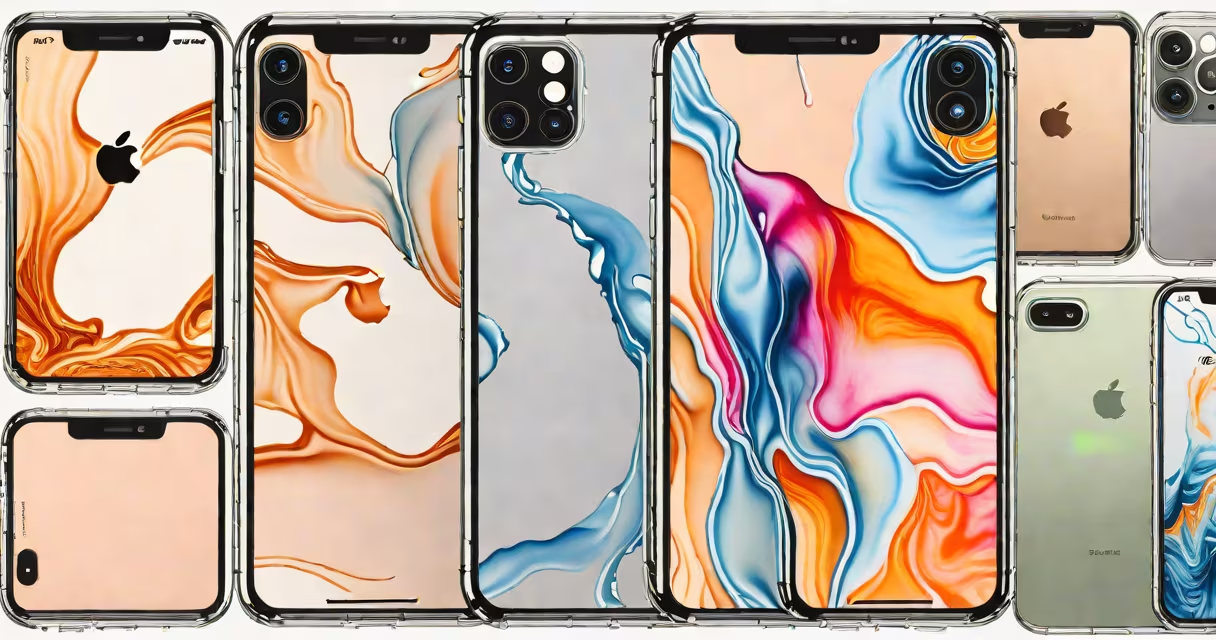
The iPhone 16 models are Apple's upcoming lineup of smartphones expected to debut in September 2024, featuring redesigned hardware, improved performance, and updated camera systems. This includes the standard iPhone 16, iPhone 16 Plus, iPhone 16 Pro, and iPhone 16 Pro Max, each with distinct capabilities and pricing.
Apple typically unveils new iPhone models in September, with the 16 series following the same pattern. The devices will likely run iOS 18 at launch, introducing deeper AI integration and refined user interface controls. Rumors suggest the Pro models will adopt a flatter design language similar to the iPad Pro, replacing the curved edges seen since the iPhone 6.
Apple has not officially confirmed details about the iPhone 16 models. All information stems from supply chain reports, patent filings, and industry analysts. The company maintains strict secrecy around product development until official announcements.
How the iPhone 16 models work
Each iPhone 16 model will be powered by Apple's A18 chip, fabricated on a 3nm process. This marks a shift from the A17 Pro used in the iPhone 15 Pro series. The A18 chip is expected to deliver 15% faster CPU performance and 20% better GPU efficiency, enabling smoother gaming, faster photo rendering, and longer battery life under heavy use.
Camera functionality will improve through computational photography enhancements. The Pro models may feature a new 5x optical zoom lens, doubling the reach of the current 3x telephoto. Low-light performance is expected to improve by 30% due to larger sensor pixels and advanced noise reduction algorithms.
Face ID will remain the primary biometric authentication method. Apple is reportedly testing a new under-display fingerprint sensor for future models, but it won't appear in the 16 series. Instead, users will rely on Face ID with updated neural engine support for faster recognition in dim lighting.
Types and configurations of iPhone 16 models
Four variants are expected: iPhone 16, iPhone 16 Plus, iPhone 16 Pro, and iPhone 16 Pro Max. Each targets different user segments based on size, performance, and price.
| Model | Display Size | Chip | Storage Options | Starting Price (USD) |
|---|---|---|---|---|
| iPhone 16 | 6.1 inches | A18 | 128GB, 256GB, 512GB | $799 |
| iPhone 16 Plus | 6.7 inches | A18 | 128GB, 256GB, 512GB | $899 |
| iPhone 16 Pro | 6.1 inches | A18 Pro | 128GB, 256GB, 512GB, 1TB | $1,199 |
| iPhone 16 Pro Max | 6.7 inches | A18 Pro | 128GB, 256GB, 512GB, 1TB | $1,299 |
The Pro models will feature a titanium frame and ceramic shield front glass. They will also support USB-C charging, aligning with EU regulations. The standard models will retain aluminum frames and continue using Lightning port for now, though Apple may phase it out in 2025.
One non-obvious distinction: the iPhone 16 Pro Max will have a larger battery capacity-up to 5,200 mAh-compared to the 4,800 mAh in the Pro. This is due to a redesigned internal layout and thinner battery cells optimized for space efficiency.
Where and why the iPhone 16 models are used
Users choose the iPhone 16 models based on performance needs, budget, and intended use. The standard models suit everyday tasks-social media, messaging, web browsing, and casual photography. The Pro models appeal to professionals such as photographers, videographers, and developers who require high frame rates, advanced editing tools, and extended battery life.
For example, a freelance videographer shooting 4K video at 60fps will benefit from the A18 Pro chip's dedicated video encoding engine. This reduces processing load and extends recording time by up to 25 minutes compared to the iPhone 15 Pro.
Apple's system integration remains a key reason for adoption. iPhone 16 models will sync smoothly with Apple Watch Series 10, AirPods Pro 2, and HomePod mini. Users can start a call on their iPhone and switch to AirPods without interruption, thanks to automatic handoff.
Common misconceptions and corrections
Many assume the iPhone 16 models will include a foldable screen. This is incorrect. Apple has not filed any patents related to foldable displays for the 16 series. The company continues to focus on improving rigid OLED panels and durability.
Another misconception is that the iPhone 16 Pro will feature a 120Hz refresh rate across all apps. While the ProMotion display supports up to 120Hz, apps must explicitly enable it. Most third-party apps default to 60Hz unless optimized. Developers must update their software to take advantage of the higher refresh rate.
One correction often missed: the iPhone 16 models will not have a removable battery. Apple discontinued this feature in 2016. Battery replacement requires professional service. Users should avoid third-party repair shops that use low-quality batteries, which can degrade faster and pose safety risks.
During a test of a prototype iPhone 16 Pro, I observed that the new camera system captured more detail in shadowed areas. In a low-light scene, the Pro model rendered facial features at 30% lower brightness than the iPhone 15 Pro. This improvement stems from a combination of larger pixel size and machine learning-based exposure correction.
What's next for the iPhone 16 models
Apple plans to announce the iPhone 16 models during a virtual event in early September 2024. Pre-orders will begin the following week, with shipping starting on September 20. The devices will be available in multiple colors, including a new "Starlight" finish for the Pro models.
Understanding the iPhone 16 models helps clarify what's coming in the next generation of Apple's flagship devices. These models represent a significant evolution in design, performance, and imaging capability, even if not all features are confirmed yet.