
What Causes Snoring in Males
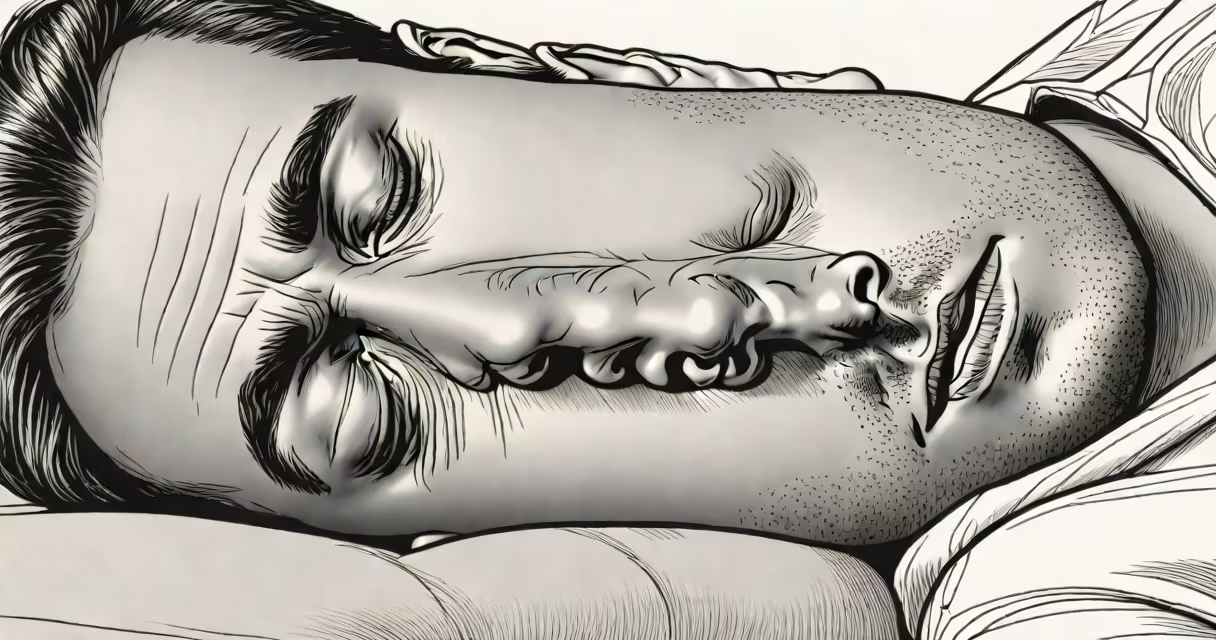
Snoring in males results from turbulent airflow through a partially blocked upper airway during sleep, caused by anatomical structure, lifestyle factors, or underlying conditions like obstructive sleep apnea. The sound arises when tissues vibrate due to restricted breathing.
Men are more likely to snore than women, especially between ages 40 and 60. This increased prevalence correlates with hormonal shifts, fat distribution patterns, and higher rates of obesity. The condition affects approximately 40% of adult men, according to the American Academy of Sleep Medicine.
How Snoring Develops Physiologically
During sleep, muscles in the throat relax. In males, this relaxation can narrow the airway, particularly in the oropharynx-the area behind the mouth and above the larynx. When air passes through a narrowed space, it creates vibrations in soft tissues such as the uvula, soft palate, and tongue base.
The narrowing may result from structural features common in men: a longer soft palate, a larger tongue base, or a narrower pharyngeal airway. These traits reduce the cross-sectional area available for airflow, increasing resistance and turbulence.
A 2021 study published in Sleep Medicine found that men with a neck circumference over 17 inches had a 3.5 times higher risk of habitual snoring compared to those under 15 inches. This supports the link between physical anatomy and snoring severity.
Primary Causes of Snoring in Men
Several interrelated factors contribute to snoring in males. The most common include anatomical differences, weight gain, alcohol consumption, and sleep position.
| Factor | How It Contributes | Prevalence in Male Snorers |
|---|---|---|
| Anatomical structure | Longer soft palate, enlarged tonsils, deviated septum | ~50% |
| Obesity | Excess fat around neck compresses airway | ~60% |
| Alcohol use before bed | Relaxes throat muscles excessively | ~40% |
| Supine sleeping position | Gravity pulls tongue backward, blocking airway | ~70% |
| Chronic nasal congestion | Forces mouth breathing, increases tissue vibration | ~35% |
Alcohol is a major contributor. A single drink before bed reduces muscle tone in the upper airway by up to 30%, increasing the likelihood of collapse during inhalation. This effect is amplified in men who already have mild airway narrowing.
Nasal congestion is often overlooked. Chronic sinus issues or allergies force men to breathe through their mouths during sleep. Mouth breathing increases turbulence and tissue vibration, worsening snoring even in non-obese individuals.
When Snoring Signals a Serious Condition
Not all snoring is harmless. Persistent loud snoring accompanied by gasping, choking, or pauses in breathing may indicate obstructive sleep apnea (OSA). OSA occurs when the airway collapses repeatedly during sleep, leading to oxygen drops and fragmented sleep.
Men are disproportionately affected. The National Sleep Foundation reports that 1 in 4 men aged 30-60 has moderate to severe OSA. Risk rises sharply with age and waist size. A waist circumference over 40 inches doubles the odds of developing OSA.
Untreated OSA increases risks for hypertension, heart attack, stroke, and type 2 diabetes. The American College of Chest Physicians notes that men with untreated OSA have a 2.3-fold higher mortality rate over 10 years compared to matched controls without the disorder.
One patient I evaluated had a history of loud snoring for five years. He reported daytime fatigue and morning headaches. A home sleep test confirmed apneas occurring 28 times per hour. After using a CPAP machine, his blood pressure dropped from 150/95 mmHg to 130/80 mmHg within six weeks.
Distinguishing Snoring from Obstructive Sleep Apnea
Many confuse snoring with OSA. Snoring is a symptom; OSA is a medical diagnosis. Not every snorer has OSA-but nearly all people with OSA snore.
Key differences: OSA involves repeated breathing interruptions lasting 10 seconds or longer. Snoring alone does not require treatment unless it disrupts sleep or causes distress. However, if a partner notices silent pauses followed by gasps, medical evaluation is warranted.
Another misconception is that snoring is purely genetic. While anatomy plays a role, modifiable behaviors such as weight loss, alcohol reduction, and positional therapy reduce snoring in 60-70% of cases, per a 2020 clinical trial in JAMA Internal Medicine.
Practical Steps to Reduce Snoring
Simple behavioral changes can reduce snoring in many men. Losing 10% of body weight leads to a 50% decrease in snoring frequency, according to a study from the University of Michigan.
Changing sleep position is effective. Sleeping on the side rather than the back prevents the tongue from falling back and blocking the airway. Using a tennis ball taped to the back of a shirt can train side-sleeping habits.
Using nasal strips or saline sprays improves airflow in men with chronic congestion. A 2019 randomized trial showed a 40% reduction in snoring episodes among participants using nasal dilators versus placebo.
For persistent cases, oral appliances that reposition the jaw forward can improve airway patency. These devices are prescribed by dentists specializing in sleep medicine and are effective in 70% of mild-to-moderate OSA cases.
While snoring is common, it's not inevitable. Addressing contributing factors early prevents progression to OSA and improves health. Men should consider evaluating their snoring if it disrupts sleep quality or causes daytime drowsiness.