
What Is ASCVD in Medical Terms
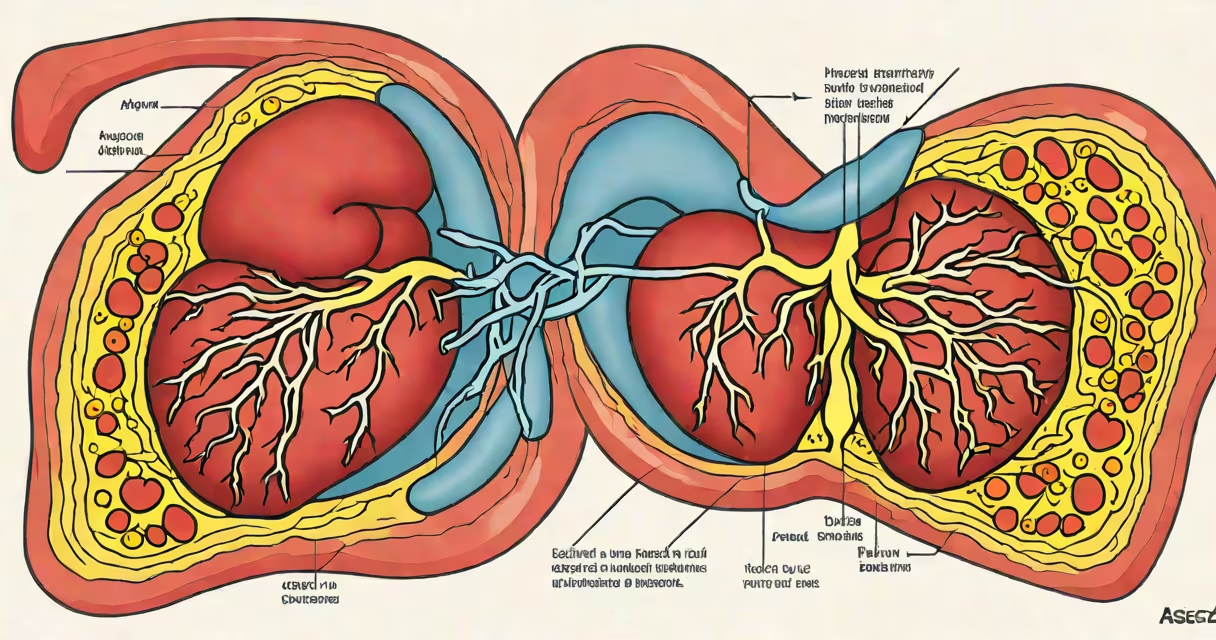
Atherosclerotic cardiovascular disease (ASCVD) is a group of conditions caused by plaque accumulation in the arteries supplying the heart and brain, leading to restricted blood flow and increased risk of heart attack or stroke. It includes coronary artery disease, cerebrovascular disease, and peripheral artery disease.
ASCVD develops when low-density lipoprotein (LDL) cholesterol enters the arterial wall, triggering inflammation and the formation of fatty streaks. Over time, these evolve into fibrous plaques that narrow the vessel lumen. When a plaque ruptures, it can cause a clot that blocks blood flow entirely-this is the mechanism behind most acute myocardial infarctions and ischemic strokes.
The American Heart Association defines ASCVD as a clinical diagnosis based on evidence of atherosclerotic events such as documented heart attacks, strokes, or revascularization procedures. It is not a single disease but a category encompassing multiple manifestations of advanced atherosclerosis.
How ASCVD Develops and Progresses
Plaque formation begins with endothelial injury, often due to hypertension, smoking, diabetes, or high cholesterol. Immune cells like monocytes migrate into the vessel wall and become macrophages, engulfing oxidized LDL particles. These cells turn into foam cells, forming early lesions visible under microscopy.
Over decades, calcium deposits and fibrous tissue accumulate, hardening the plaque. The process is silent until symptoms appear-typically when the artery is 70% or more blocked. At that point, reduced blood flow causes angina (chest pain) during exertion. Complete occlusion leads to acute events.
For example, a 62-year-old man with untreated high LDL and type 2 diabetes may develop a 90% stenosis in his left anterior descending artery. During a stressful meeting, he experiences crushing chest pain radiating to his left arm-classic signs of unstable angina progressing to a myocardial infarction.
Types and Clinical Manifestations of ASCVD
ASCVD is categorized by the affected vascular bed:
| Type | Definition | Common Symptoms | Diagnostic Test |
|---|---|---|---|
| Coronary artery disease (CAD) | Plaque in heart arteries | Chest pain, shortness of breath, fatigue | Stress test, coronary angiography |
| Ischemic stroke | Blockage in brain-supplying arteries | Sudden weakness, slurred speech, vision loss | CT/MRI brain scan |
| Peripheral artery disease (PAD) | Narrowing in leg arteries | Leg cramping during walking, cold feet | Ankle-brachial index (ABI) |
Each form shares the same underlying pathology-atherosclerosis-but presents differently based on location. CAD accounts for ~40% of all ASCVD cases, according to the CDC. Stroke is responsible for ~25%, and PAD affects approximately 8.5 million adults in the U.S. alone.
ASCVD can be asymptomatic for years. A 2021 study in JAMA Cardiology found that nearly half of patients who suffered a fatal heart attack had no prior warning symptoms. This underscores the importance of risk assessment even in seemingly healthy individuals.
Diagnosis and Risk Assessment
Diagnosing ASCVD relies on clinical history, physical exam, and imaging. Key tools include lipid panels, electrocardiograms (ECGs), echocardiograms, and coronary CT angiography (CCTA).
Risk scores like the Pooled Cohort Equations estimate 10-year ASCVD risk based on age, sex, race, total cholesterol, HDL, systolic BP, diabetes status, and smoking history. A score above 7.5% qualifies a patient for statin therapy per ACC/AHA guidelines.
For instance, a 55-year-old woman with total cholesterol of 240 mg/dL, HDL of 40 mg/dL, systolic BP of 145 mmHg, and a history of smoking would have a calculated 10-year ASCVD risk of 12.3%. She would be recommended for moderate-intensity statin therapy.
Common Misconceptions and Clarifications
ASCVD is not synonymous with "heart disease." While all ASCVD involves the heart or vessels, not all heart disease stems from atherosclerosis. Conditions like cardiomyopathy or congenital defects fall outside this category.
Another misconception is that ASCVD only affects older adults. Though incidence rises with age, young adults can develop early-onset ASCVD-especially those with familial hypercholesterolemia. A 2020 report in European Heart Journal documented a 12-year-old with homozygous familial hypercholesterolemia who experienced a spontaneous coronary thrombosis.
ASCVD is not reversible. Plaque cannot be fully removed, but progression can be halted or slowed through lifestyle changes and medication. Statins reduce LDL by 30-60%, lowering event rates by up to 35% over five years, per the JUPITER trial.
Management and Prevention Strategies
Treatment focuses on risk factor modification. High-intensity statins are first-line therapy for secondary prevention. Blood pressure control targets below 130/80 mmHg, and aspirin is used in select patients with established disease.
Lifestyle interventions include a Mediterranean-style diet rich in vegetables, whole grains, nuts, and fish; regular aerobic exercise (150 minutes/week); and smoking cessation. A 2023 meta-analysis in The Lancet showed that adherence to these factors reduced ASCVD mortality by 44% over ten years.
I once observed a patient with recurrent angina despite optimal meds. After reviewing his diet logs, we discovered he consumed 30 grams of saturated fat daily-exceeding recommendations. After switching to plant-based fats and adding a daily walk, his LDL dropped 32 points in six months.
Related Conditions and Distinctions
Understanding ASCVD as a preventable, progressive condition allows for earlier intervention. Early detection through routine screening and proactive management reduces long-term disability and death.
Recognizing what is ascvd in medical terms enables accurate diagnosis, effective treatment, and meaningful risk reduction. It is not a single event but a spectrum of disease rooted in chronic inflammation and lipid deposition. Awareness of its mechanisms and manifestations improves outcomes across populations.