
pumpkin pie filling
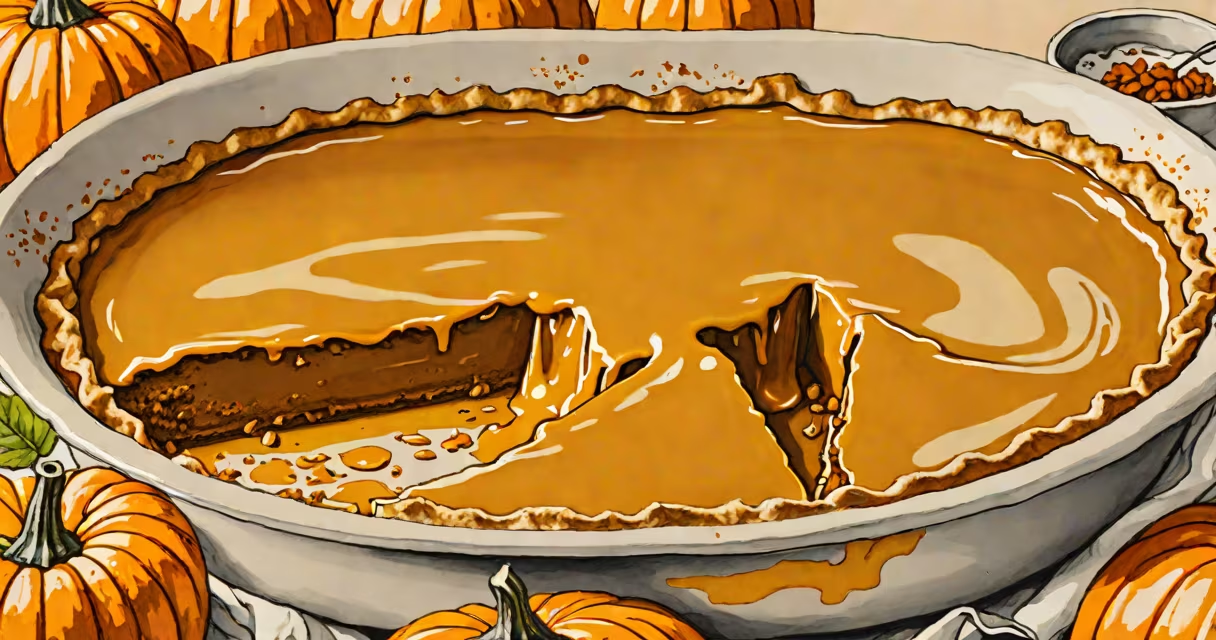
pumpkin pie filling is a sweetened, spiced mixture made primarily from canned pumpkin puree, sugar, and a blend of warm spices like cinnamon, nutmeg, and ginger. It forms the core of traditional pumpkin pie and is used in both homemade and store-bought versions.
The base ingredient is always cooked or pureed pumpkin. Most recipes rely on commercially prepared pumpkin puree-often labeled "100% pure pumpkin"-because it delivers consistent moisture and texture. Freshly roasted and mashed pumpkin can be used, but it requires extra steps and careful draining to avoid a watery filling.
Spices are the defining feature. A standard mix includes 1½ teaspoons ground cinnamon, ¼ teaspoon ground nutmeg, ¼ teaspoon ground ginger, and a pinch of cloves. These amounts create a balanced warmth without overpowering the natural sweetness of the pumpkin. The ratio matters: too much nutmeg makes the filling bitter; too little leaves it flat.
How It Works
pumpkin pie filling sets during baking through a combination of starch thickening and protein coagulation. Cornstarch or flour is added in most recipes to absorb excess liquid and stabilize the structure. Without it, the filling would remain runny and fail to hold shape after cooling.
When heated to around 160°F (71°C), the starch granules swell and trap water. Simultaneously, egg proteins denature and form a network that binds the mixture. This dual action ensures the filling firms up without cracking or weeping. Baking time and temperature control this process-too high heat causes bubbling and separation.
A common mistake is overmixing after adding eggs. Vigorous stirring introduces air bubbles that expand during baking, leading to uneven rise and potential collapse. Stirring should be gentle and minimal-just enough to combine ingredients evenly.
What It's Made Of
Standard ingredients in a basic homemade pumpkin pie filling recipe include:
- Canned pumpkin puree (15 oz / 425g)
- Sugar (¾ cup / 150g granulated)
- Spices: 1½ tsp cinnamon, ¼ tsp nutmeg, ¼ tsp ginger, ⅛ tsp cloves
- Eggs (2 large)
- Heavy cream or evaporated milk (½ cup / 120ml)
- Vanilla extract (1 tsp)
- Cornstarch (2 tbsp / 15g)
These components are mixed until smooth, then poured into a pre-baked pie shell. The mixture bakes at 425°F (220°C) for 15 minutes, then reduces to 350°F (175°C) for 40-45 minutes. Internal temperature should reach 175°F (80°C) to ensure doneness.
Store-bought versions vary. Some contain added preservatives like calcium propionate and sodium benzoate. Others use artificial flavors. Labels should list "pumpkin" as the first ingredient-not "water," "sugar," or "corn syrup."
Types and Variations
There are two main categories: commercial and homemade. Commercial versions are convenient but often contain more sugar and less actual pumpkin. Homemade allows control over sweetness, spice balance, and ingredient quality.
| Type | Pumpkin Content | Sugar Level | Common Additives | Best For |
|---|---|---|---|---|
| Commercial (canned) | ~70-80% | High (10-15g per ¼ cup) | Preservatives, stabilizers | Quick desserts, holiday baking |
| Homemade | 100% | Adjustable (5-10g per ¼ cup) | None (optional: vanilla, lemon zest) | Custom flavor, lower sugar, dietary needs |
Some people substitute part of the pumpkin with sweet potato puree for a deeper flavor and higher fiber content. Sweet potatoes have a lower glycemic index and can reduce sugar load by up to 20%.
Where and Why It's Used
pumpkin pie filling is central to Thanksgiving and fall celebrations in the United States. According to the National Turkey Federation, 90% of American households serve pumpkin pie during the holiday season. It's also used in muffins, cheesecakes, and as a topping for ice cream.
Beyond dessert, it appears in savory dishes. In New England, some chefs use a reduced version of pumpkin pie filling as a sauce for roasted squash or chicken. The sweetness balances rich meats, while the spices improve umami notes.
One non-obvious fact: the term "pumpkin pie filling" is legally protected under FDA labeling rules. The U.S. Food and Drug Administration defines it as a product containing at least 15% pumpkin solids by weight. Products below this threshold cannot be labeled as "pumpkin pie filling" unless they specify "spiced pumpkin" or "pumpkin-flavored."
Common Misconceptions
Many assume canned pumpkin puree is the same as pumpkin pie spice mix. They are not. Canned puree is a base ingredient. Pie spice is a seasoning blend. Confusing them leads to bland or overly spicy fillings.
Another error is using fresh pumpkin from carving pumpkins. These varieties-like Cinderella or Atlantic Giant-are high in water and low in sugar. They result in a soggy, weak-textured filling. Instead, use sugar pumpkins (also called pie pumpkins), which are smaller, denser, and sweeter.
I once tried making pie filling with a large Halloween jack-o'-lantern. The result was a soupy mess that never set. After that, I learned to buy small, round sugar pumpkins from farmers' markets. They yield about 2 cups of dry puree per 3-pound fruit-ideal for a single pie.
How to Make It at Home
Start with 15 oz (425g) of canned pumpkin puree. Do not use "pumpkin pie filling" from the shelf-it's already sweetened and spiced. Use plain puree.
- Preheat oven to 425°F (220°C).
- In a bowl, whisk together ¾ cup sugar, 1½ tsp cinnamon, ¼ tsp nutmeg, ¼ tsp ginger, and ⅛ tsp cloves.
- Add 2 large eggs and ½ cup heavy cream. Mix until smooth.
- Stir in 2 tbsp cornstarch and 1 tsp vanilla extract.
- Gently fold in the pumpkin puree until fully combined.
- Pour into a pre-baked 9-inch pie shell.
- Bake at 425°F for 15 minutes, then reduce heat to 350°F and bake for 40-45 minutes.
- Check doneness: center should jiggle slightly, not slosh.
Let cool completely before slicing. Cooling allows the filling to firm up fully. Cutting too soon results in a runny slice.
For a lighter version, replace half the heavy cream with evaporated milk. This reduces fat by 30% without sacrificing richness.
Why It Matters
pumpkin pie filling is more than a seasonal treat. It represents a cultural staple tied to harvest traditions and family gatherings. Its composition reflects decades of refinement-balancing sweetness, texture, and aroma to deliver comfort and nostalgia.
Understanding how it's made helps avoid common pitfalls. Knowing the difference between puree and spice mix prevents failed recipes. Recognizing legal standards ensures you're buying authentic products.