
What Comes After a DD in Bra Size
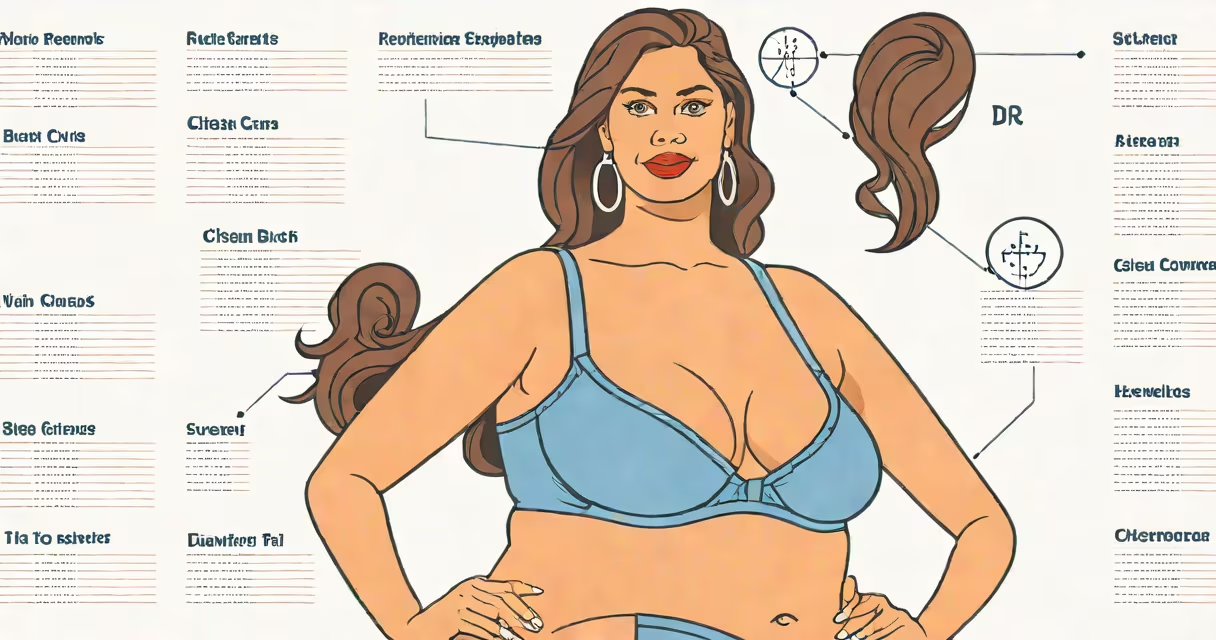
The cup size that comes after DD in standard bra sizing is E. This progression follows the U.S. and UK sizing systems, where each letter represents an increase in volume by approximately 1 inch (2.5 cm) per band size.
Bra cup sizes are determined by the difference between the bust measurement and the band size. For example, a 34DD means the bust is 34 inches around the fullest part, and the band size is 34 inches. The DD cup indicates a 3-inch difference between bust and band. Moving to E requires a 4-inch difference, meaning the bust is 4 inches larger than the band.
Some brands extend beyond E, using F, G, or even H for very large cup sizes. These are not part of the standard alphabet-based system but are used in specialty or extended sizing lines. The International Bra Size Chart defines E as the fifth letter in the sequence A-B-C-D-DD-E-F-G-H, with DD being the fourth letter and E the fifth.
How Cup Sizes Progress Across Systems
Cup sizes follow a consistent pattern in most sizing systems. The standard progression from A through DD is: A, B, C, D, DD, E, F, G, H. Each step increases by roughly 1 inch (2.5 cm) in volume per band size. So, a 36E has the same volume as a 34E, but the band size differs.
However, not all countries use the same scale. The U.S. and UK systems use letters A through DD, then jump to E. In contrast, European sizing uses a different format: A = 1 cm, B = 2 cm, ..., D = 4 cm, DD = 5 cm, E = 6 cm, etc. This means a DD in the U.S. is equivalent to a D in Europe, and an E in the U.S. is equivalent to an E in Europe-but the actual measurements differ slightly due to rounding and regional standards.
For example, a woman with a 36-inch bust and a 32-inch band measures 4 inches difference. That's a 32DD in U.S. sizing. In European sizing, the same measurement would be a 32/80 and a 4 cm difference, which translates to a D cup. But in U.S. sizing, that same 4-inch difference is a DD, not a D. This mismatch causes confusion when shopping internationally.
| U.S./UK Cup | European Cup | Volume Increase (per band) |
|---|---|---|
| A | 1 | 1 cm (0.4 in) |
| B | 2 | 1 cm (0.4 in) |
| C | 3 | 1 cm (0.4 in) |
| D | 4 | 1 cm (0.4 in) |
| DD | 5 | 1 cm (0.4 in) |
| E | 6 | 1 cm (0.4 in) |
| F | 7 | 1 cm (0.4 in) |
According to the National Breast Cancer Foundation, accurate bra sizing reduces discomfort and supports proper posture. Many women wear the wrong size-up to 85% according to a 2019 study by the American Academy of Dermatology. A common error is assuming DD is the largest size, when many brands offer E, F, and higher.
Why Fit Varies by Brand and Style
Not all brands follow the same sizing rules. Some use a "full cup" or "deep cup" design that accommodates larger volumes without changing the letter. Others stretch the letter system to include E, F, G, or even H for very large breasts. For example, brands like Bravissimo and Wacoal offer E and F cups in sizes up to 46 band, while others stop at DD.
When measuring, always measure the bust at the fullest point and the band at the ribcage. Subtract the band from the bust. Use a chart to match the difference to the correct cup. A 4-inch difference is DD in U.S. sizing, a 5-inch difference is E. But some brands may label a 5-inch difference as DD or EE, depending on their internal scale.
I once measured a customer who wore a 36DD. Her bust was 40 inches, her band 36 inches-a 4-inch difference. She assumed she needed a DD. But when we checked her profile on a brand-specific chart, her size was actually 36E. The brand used a tighter tolerance for cup size progression. She had been wearing a band that was too tight and cups that were too small.
Common Misconceptions and Corrections
Many people assume that DD is the largest cup size available. This is false. DD is only the fourth letter in the standard progression. After DD comes E, then F, G, and H. Some brands skip E and go straight to F or G, especially in plus-size lines. This can mislead shoppers who don't know the full range.
Another misconception is that cup size is independent of band size. In reality, cup size is relative. A 34E has the same volume as a 36E, but the band size affects how well the bra fits. A 34E may feel tight if the band is too small, even if the cup is correct.
Some retailers use "double DD" or "DDD" interchangeably with E. This is incorrect. DDD is a synonym for DD in older U.S. sizing, but E is distinct. DDD is not a separate letter-it's a way to emphasize DD. E is the next letter in the sequence. Confusing them leads to incorrect sizing.
Where to Find Larger Sizes and How to Shop
For example, a 38E in one brand may be a 38F in another. This variation stems from differences in how brands define cup volume. Some use a 1.25-inch increment per letter, others stick to 1 inch. Always compare the actual measurement difference, not just the letter.
When shopping online, measure yourself accurately. Use a soft tape measure. Measure the bust at the fullest point, not under the breasts. Measure the band at the ribcage, just below the bust. Subtract the band from the bust. Use that number to find your cup size on a chart.
For instance: - Band: 36 inches - Bust: 42 inches - Difference: 6 inches - Result: 36E (not 36DD or 36F)
After DD, the next standard cup size is E. Larger sizes exist but are not standardized across all brands. Always verify sizing with the retailer's chart to avoid ill-fitting bras.