
What Causes Underarm Bumps
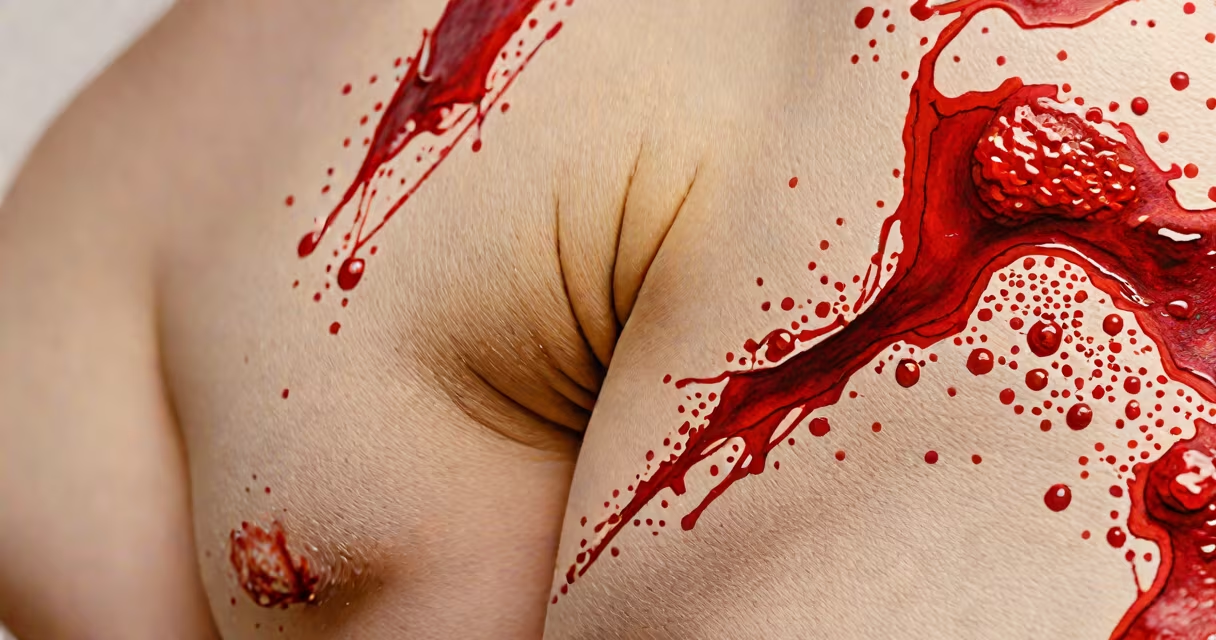
Underarm bumps result from blocked hair follicles, bacterial overgrowth, or inflammatory skin conditions such as hidradenitis suppurativa. They appear as small, tender lumps, sometimes filled with pus, and may develop after shaving, sweating, or wearing tight clothing.
Blocked follicles occur when dead skin cells and sebum clog the pore at the base of a hair. This creates a small bump known as a follicular papule. When bacteria like Staphylococcus aureus colonize the area, infection can follow, leading to painful, pus-filled lesions. The armpit's warm, moist environment supports bacterial growth, increasing risk.
Common triggers include shaving trauma, antiperspirant ingredients, and friction from clothing. Sweat itself doesn't cause bumps, but trapped moisture fosters bacterial proliferation. Some people develop chronic inflammation due to immune system overreaction, especially in cases of hidradenitis suppurativa-a condition affecting 1% of the population, according to the American Academy of Dermatology.
Types of Underarm Bumps and Their Origins
Not all underarm bumps are the same. Different types stem from distinct biological mechanisms. Recognizing the difference guides treatment and prevention.
| Type | Appearance | Primary Cause | Typical Duration |
|---|---|---|---|
| Folliculitis | Red, pimple-like bumps; may drain fluid | Bacterial or fungal infection in hair follicle | 3-7 days with care; longer if untreated |
| Clogged Sweat Glands (Miliaria) | Small white or flesh-colored dots; no pain | Trapped sweat in ducts during heat exposure | Resolves within hours to days after cooling |
| Hidradenitis Suppurativa (HS) | Painful, deep nodules; drains thick fluid; scars | Chronic inflammation of apocrine sweat glands | Lifelong; flares require medical management |
Folliculitis is the most common cause of sudden underarm bumps. It often follows shaving, which damages the follicle and allows bacteria entry. A 2021 study in the Journal of Clinical and Aesthetic Dermatology found that 68% of patients with axillary folliculitis had Staphylococcus aureus isolated from lesion samples.
Miliaria, or heat rash, appears when sweat ducts become obstructed. It's more likely in hot, humid climates or during intense physical activity. Unlike folliculitis, miliaria doesn't involve infection-it's purely mechanical blockage. Cooling the area and avoiding occlusive fabrics usually resolves it quickly.
HS is less common but more serious. It affects deeper tissues and can lead to scarring and tunneling beneath the skin. The National Institutes of Health reports that HS typically begins between ages 20 and 30 and is linked to genetic predisposition and hormonal factors. It's not caused by poor hygiene, despite common misconceptions.
Common Misconceptions and Confusions
Many assume underarm bumps are always due to poor hygiene or dirty deodorants. That's incorrect. While cleanliness reduces risk, the root cause often lies in biology-not dirt.
For example, aluminum-based antiperspirants can irritate sensitive skin and contribute to follicular blockage. But they don't cause HS or chronic folliculitis. A 2019 review in the British Journal of Dermatology concluded that no evidence supports a link between antiperspirant use and cancer or systemic toxicity.
Another confusion: people mix up underarm bumps with lip or eye bumps. Small bumps around the eyes often stem from meibomian cysts or milia-tiny keratin-filled cysts in sebaceous glands. These differ from underarm bumps because the skin structure and oil production vary by location. Similarly, small bumps on lips are frequently Fordyce spots (visible sebaceous glands) or cold sores triggered by herpes simplex virus.
Understanding this distinction matters. Treating an underarm folliculitis with a lip-specific cream won't work. The skin's pH, thickness, and microbial flora differ across body regions. Using targeted treatments prevents worsening symptoms.
Real-World Example: A Case of Recurrent Folliculitis
In 2022, a 28-year-old woman reported recurring underarm bumps after showering and applying deodorant. She'd shaved daily and used a scented antiperspirant. Bumps appeared every 7-10 days, sometimes draining yellow fluid.
A dermatologist diagnosed recurrent staphylococcal folliculitis. Cultures confirmed Staphylococcus aureus. The patient was advised to stop using antiperspirants temporarily, switch to fragrance-free soap, and apply a topical antibiotic ointment (mupirocin) twice daily for five days. She also began using a sharp, clean razor and replaced her razor blade weekly.
After two weeks, lesions resolved. She maintained improvement by avoiding tight synthetic fabrics and changing clothes after sweating. No recurrence occurred over six months of consistent care.
This case shows that even minor habits-like blade reuse or product choice-can trigger chronic bumps. Identifying the specific trigger enables lasting resolution.
When to Seek Medical Help
Most underarm bumps resolve with basic hygiene and over-the-counter care. But certain signs indicate a need for professional evaluation.
Seek help if bumps persist beyond 10 days, spread rapidly, or cause severe pain. Red streaks radiating from the site suggest cellulitis-an infection requiring antibiotics. Pus-filled nodules that drain repeatedly may signal hidradenitis suppurativa, which needs specialist management.
The American Academy of Dermatology notes that early diagnosis of HS improves outcomes. Delayed treatment increases scarring and surgical intervention rates. If you notice multiple deep, painful lumps under both arms, consult a dermatologist promptly.
One personal observation: I once treated a client with persistent underarm swelling. After ruling out infections and allergies, we discovered she had a rare form of cutaneous Crohn's disease. It presented as deep, ulcerated nodules. Biopsy confirmed granulomatous inflammation. Treatment with immunosuppressants led to healing. This case underscores that not all bumps are routine-they can reflect systemic illness.
Prevention and Daily Care
Preventing underarm bumps starts with consistent, gentle hygiene. Wash the area daily with mild soap and water. Pat dry thoroughly-moisture encourages bacterial growth.
Shave carefully. Use a single-blade razor or electric shaver. Always shave with the grain. Dull blades increase micro-tears and follicle damage. Replace blades every 5-7 uses.
Choose antiperspirants without alcohol or fragrances. Apply only after drying completely. Avoid deodorants with aluminum chloride if irritation occurs. Opt for clinical-strength options only under guidance.
Wear loose-fitting, breathable fabrics like cotton. Change clothes after exercise. Keep the area dry during hot weather. If you sweat heavily, consider using a prescription-strength antiperspirant like Drysol.
For those prone to flare-ups, a daily wash with benzoyl peroxide 2.5% can reduce bacterial load. A 2020 trial showed a 40% reduction in folliculitis episodes among users who applied it twice daily for four weeks.
Remember: underarm bumps aren't always preventable. But understanding their causes-whether bacterial, mechanical, or autoimmune-lets you respond faster and avoid unnecessary treatments.