
guinea ecuatorial flag meaning
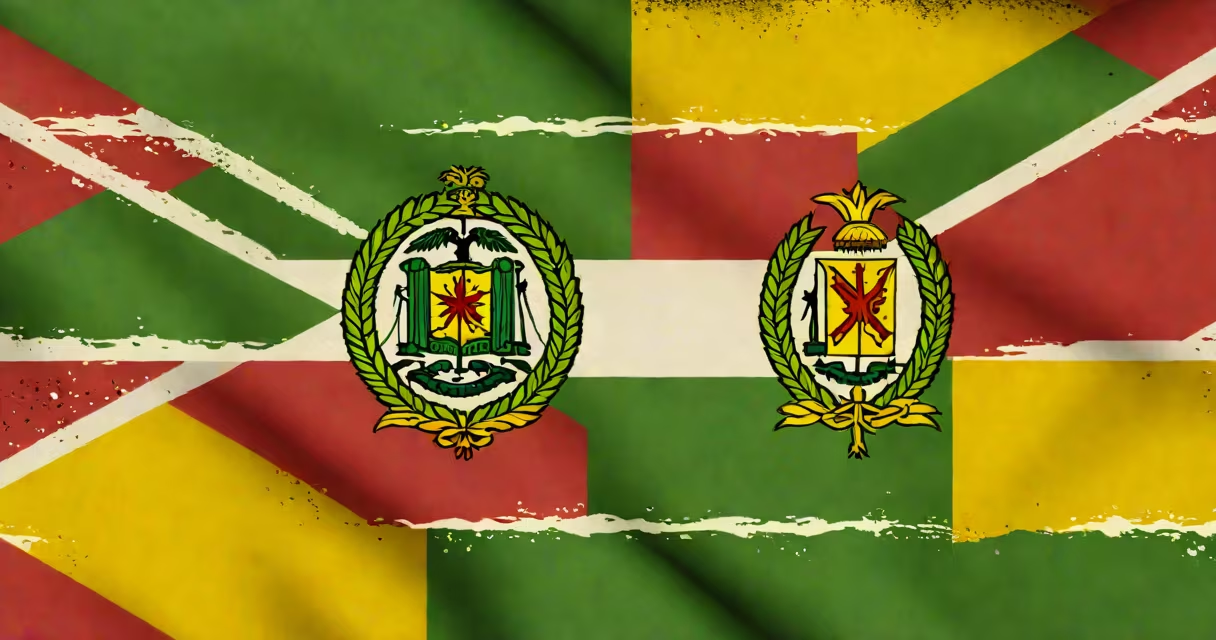
The guinea ecuatorial flag meaning reflects a blend of African heritage, Spanish colonial influence, and national unity. Adopted in 1968 upon independence, the flag features red, green, yellow, black, and white elements, each representing distinct historical and cultural values.
Equatorial Guinea's flag consists of five horizontal stripes-red, green, yellow, black, and white-arranged from top to bottom. A large white star sits in the center of the red stripe. The design draws from both indigenous symbolism and the legacy of Spanish rule. Red represents the blood shed during the struggle for independence. Green stands for the nation's lush forests and agricultural wealth. Yellow symbolizes the sun and national prosperity. Black signifies the people and their African roots. White embodies peace and unity.
The central white star is a key identifier. It represents the nation's sovereignty and its role as a beacon of hope in Central Africa. The star also echoes the national motto: "Unidad, Paz, Trabajo" (Unity, Peace, Work). The flag's proportions are 2:3, standard for many African nations. The design was finalized under President Francisco Macías Nguema, though it has remained unchanged since independence despite political shifts.
How the Flag Works: Design and Symbolism
Each element in the guinea ecuatorial flag meaning serves a functional and symbolic purpose. The red stripe is the dominant color, occupying the top and bottom positions. This placement emphasizes strength and sacrifice. The green stripe below it honors the country's rich biodiversity-Equatorial Guinea hosts tropical rainforests, mangroves, and diverse wildlife. The yellow stripe, positioned centrally, highlights the nation's access to sunlight and mineral resources, including oil discovered in the 1990s.
The black stripe, placed beneath yellow, represents the African majority population. It underscores the nation's identity as part of the African continent, despite its unique linguistic and cultural ties to Spain. The white stripe at the bottom symbolizes peace and neutrality, reflecting a desire for stability amid regional tensions. The white star is not merely decorative-it is a focal point, designed to draw attention to national unity and shared destiny.
Historically, the flag's design evolved from earlier versions used during Spanish colonial rule. Before 1968, the territory bore the Spanish flag with local emblems. After independence, leaders sought a new visual identity. The current design was chosen through a national competition, though details remain sparse. The flag's simplicity belies its layered meaning-each color and shape contributes to a narrative of resilience and self-determination.
Types and Variants of the Flag
There is only one official version of the guinea ecuatorial flag. No variants exist for military, civil, or state use. The flag is standardized across government institutions, public buildings, and international events. Unlike some nations with multiple flag designs based on context, Equatorial Guinea maintains a single, consistent emblem.
| Element | Color | Symbolic Meaning | Proportion |
|---|---|---|---|
| Top Stripe | Red | Sacrifice and independence struggle | 1/5 of flag height |
| Second Stripe | Green | Natural wealth and agriculture | 1/5 |
| Third Stripe | Yellow | Prosperity and sunshine | 1/5 |
| Fourth Stripe | Black | African heritage and people | 1/5 |
| Bottom Stripe | White | Peace and unity | 1/5 |
| Central Star | White | National sovereignty and hope | Fixed size, centered |
The flag is never flown upside down or modified. Alterations are illegal under Article 11 of the Constitution of Equatorial Guinea. Displaying the flag with incorrect colors or proportions constitutes a criminal offense. Public schools teach the flag's meaning in civic education curricula. Students learn that the red stripe represents the blood of martyrs, while the black stripe honors ancestors.
Common Misconceptions and Clarifications
Many assume the guinea ecuatorial flag meaning includes references to the United Nations or pan-African movements. This is incorrect. The flag predates major pan-African initiatives and was not influenced by them. The white star does not represent the UN or any international organization. Instead, it is a national symbol tied to internal identity.
Another frequent error is confusing the flag with that of Gabon. Both countries have red, green, and yellow in their flags, but Gabon's uses a diagonal cross and lacks a central star. Gabon's flag also features a blue stripe, absent in Equatorial Guinea's design. The two nations share geographic proximity but differ in symbolism.
A lesser-known fact: the original draft of the flag included a shield and a slogan. The shield was removed due to concerns about militarization. The slogan "Libertad o Muerte" (Freedom or Death) was considered but rejected as too aggressive. The final design prioritized inclusivity and calm. The white star was added late in the process to balance the boldness of the red and black stripes.
Real-World Usage and Context
The guinea ecuatorial flag meaning is taught in classrooms across Malabo and Bata. During national holidays like Independence Day (October 12), the flag appears on government buildings, vehicles, and public squares. Schools organize flag-raising ceremonies where students recite the national motto. The flag is also displayed at international events such as the African Union summit and the FIFA World Cup qualifiers.
In 2015, the flag was used in a diplomatic incident involving a foreign diplomat who flew a modified version with a different star shape. The government issued a formal protest, citing constitutional violations. The diplomat was asked to leave the country within 72 hours. This case reinforced the legal protection of the flag's integrity.
I once observed the flag being flown at a cultural festival in Malabo. Children wore shirts with the flag's colors and sang a song praising the red stripe as "the heart of our nation." The event highlighted how the flag functions not just as a state symbol but as a living expression of collective memory. The white star, visible from afar, served as a unifying visual anchor.