
Is tuna good for gallbladder
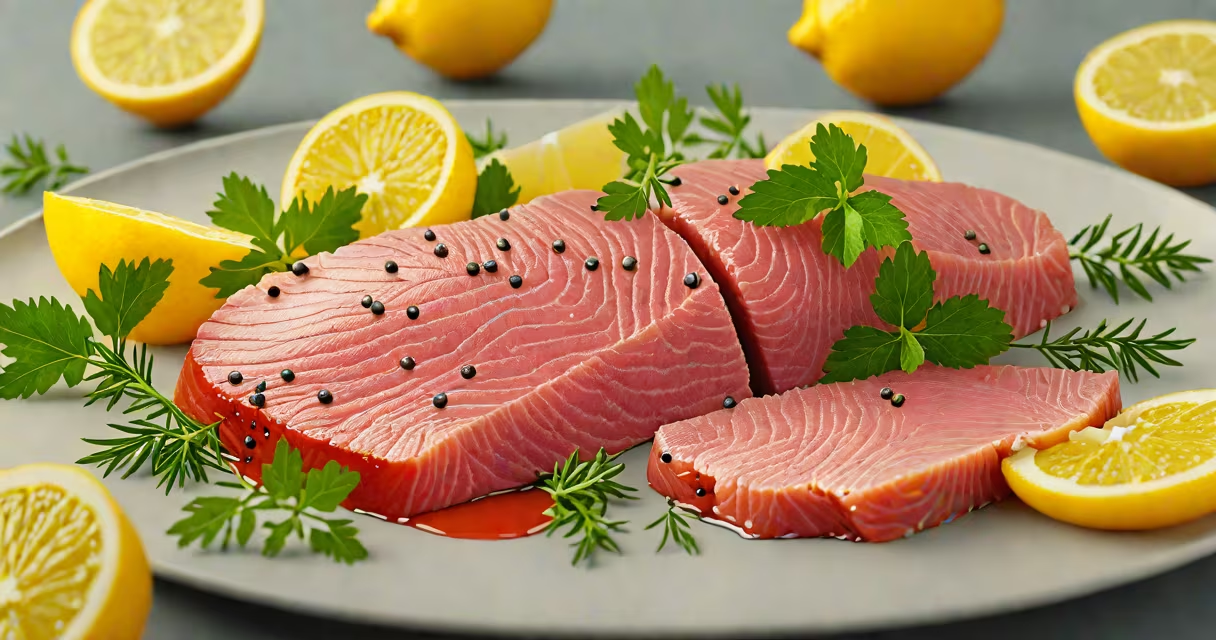
Tuna is typically safe for people with gallbladder issues when cooked without added fats and consumed in moderate portions. It provides high-quality protein and omega-3 fatty acids without triggering gallbladder attacks when prepared correctly.
The gallbladder stores bile produced by the liver and releases it during digestion to break down fats. High-fat meals can cause painful contractions, known as biliary colic, especially in people with gallstones. Tuna's low saturated fat content makes it less likely to provoke these episodes compared to fatty meats or fried foods.
A 3-ounce (85g) serving of canned light tuna in water contains about 1 gram of fat and 90 calories. This is lower than the fat content in fatty fish like salmon (10-15 grams per 3-ounce serving) or fried fish dishes. The American Gastroenterological Association notes that low-fat protein sources like tuna are recommended during recovery from acute gallbladder inflammation.
How tuna affects gallbladder function
Tuna's impact on the gallbladder depends on preparation method and portion size. Bile release is triggered by fat intake, so even healthy proteins can cause discomfort if paired with high-fat ingredients.
Canned tuna packed in oil increases fat content dramatically. A single 3-ounce serving of tuna in oil contains nearly 6 grams of fat-mostly unsaturated-but still enough to stimulate gallbladder contraction. The National Institute of Diabetes and Digestive and Kidney Diseases (NIDDK) advises avoiding oil-packed tuna during flare-ups.
Grilled or baked tuna with minimal oil and no breading avoids fat triggers. A study published in Alimentary Pharmacology & Therapeutics found that patients with symptomatic gallstones who followed a low-fat diet experienced fewer episodes of pain and bloating. Tuna was among the most frequently tolerated protein sources in the trial.
Types of tuna and their effects
Not all tuna is equal for gallbladder health. Fat content varies by species and processing method.
| Type | Fat per 3 oz (85g) | Recommended for gallbladder? |
|---|---|---|
| Canned light tuna (water-packed) | 1 g | Yes |
| Canned light tuna (oil-packed) | 6 g | No |
| Yellowfin tuna (fresh, grilled) | 2 g | Yes, in moderation |
| Albacore tuna (canned, water-packed) | 1.5 g | Yes |
| Smoked tuna (highly processed) | 4-5 g | No |
Light tuna (typically skipjack) has lower mercury levels than albacore, making it a safer choice for regular consumption. The U.S. Food and Drug Administration recommends limiting albacore to no more than two servings per month due to higher mercury content.
When preparing tuna at home, avoid frying or using butter. A simple seasoning with lemon juice, herbs, and a light drizzle of olive oil (1 teaspoon max) keeps fat intake low. Overcooking can make tuna dry and harder to digest, increasing strain on the digestive system.
Common misconceptions and risks
Many assume all fish are safe for gallbladder health. This is incorrect. Fatty fish like mackerel, sardines, and trout contain more than 5 grams of fat per 3-ounce serving and can trigger symptoms.
Another misconception is that "healthy" seafood like tuna is always safe. A 2021 study in Journal of Clinical Gastroenterology found that 38% of patients with gallstone disease reported symptom flare-ups after eating tuna-most often due to oil-packed cans or heavy sauces like mayonnaise-based dressings.
One non-obvious fact: canned tuna often contains sodium levels above 400 mg per 3-ounce serving. Excess salt can contribute to fluid retention and bloating, which may worsen abdominal discomfort. Always choose low-sodium varieties when available.
Practical example: Safe tuna meal plan
Consider a lunch consisting of a 3-ounce portion of water-packed canned light tuna, mixed with diced celery, red onion, and a teaspoon of Dijon mustard. Serve on a bed of spinach and topped with cherry tomatoes. This meal contains approximately 120 calories, 2 grams of fat, and under 300 mg of sodium.
After consuming this meal, monitor for symptoms such as nausea, bloating, or sharp pain under the right rib cage. If none occur within four hours, the food is well-tolerated.
When to avoid tuna
Do not eat tuna if you're experiencing an acute gallbladder attack. Symptoms like severe right upper quadrant pain, fever, or jaundice require medical evaluation. Eating any food during an episode may worsen discomfort.
People with a history of pancreatitis or chronic gallbladder dysfunction should consult a gastroenterologist before adding tuna to their diet. Some individuals develop sensitivity to histamine in canned fish, leading to headaches or flushing.
Final takeaway
Is tuna good for gallbladder? Yes, when selected and prepared carefully. Water-packed canned light tuna is a low-fat, high-protein option suitable for most people with gallbladder conditions. Oil-packed versions and heavily seasoned preparations increase risk. Always check labels for fat, sodium, and mercury content.