
How to Get Brain
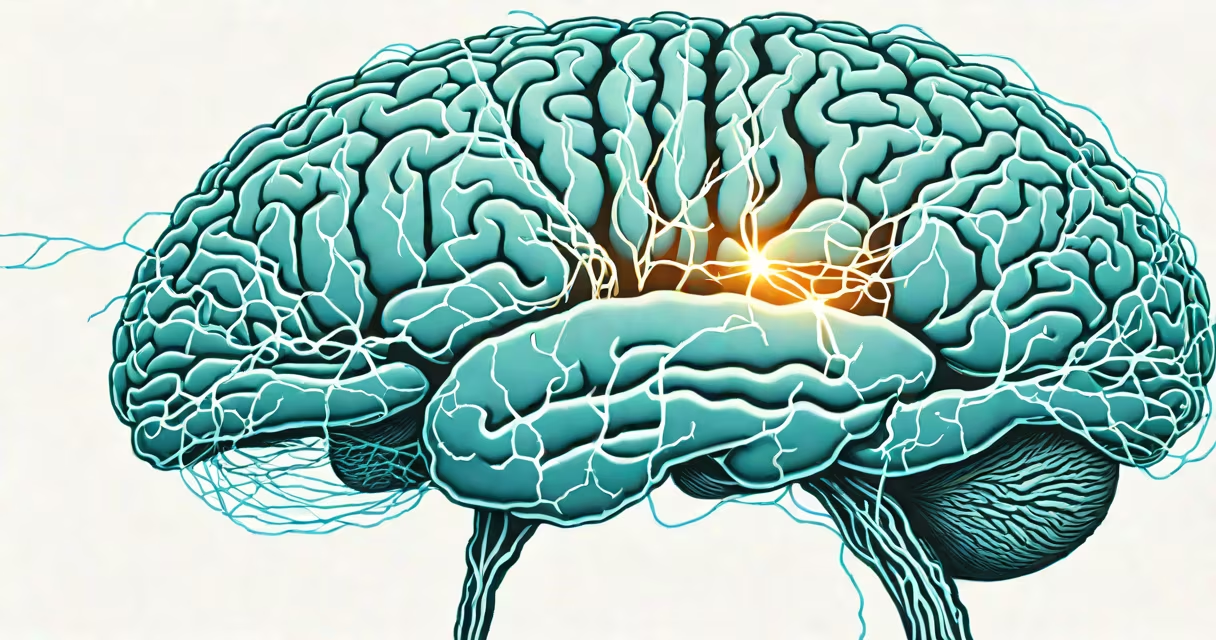
"How to get brain" refers to improving cognitive function, mental resilience, and long-term neurological health-not acquiring a physical brain. The phrase is often misunderstood as a literal request for brain tissue, but it describes strategies to improve thinking, memory, and emotional regulation through evidence-based lifestyle choices.
The human brain weighs about 1.4 kilograms and contains roughly 86 billion neurons. It doesn't grow new neurons in the traditional sense, but it adapts through neuroplasticity-the ability of neural networks to reorganize in response to learning, injury, or environmental changes. This adaptability is the foundation of how to get brain.
Research from the National Institute on Aging confirms that consistent mental engagement, quality sleep, and aerobic exercise increase gray matter volume and improve executive function. These aren't metaphors-they're measurable outcomes documented in longitudinal studies.
How It Works: The Science Behind Cognitive Enhancement
Brain function relies on synaptic strength, blood flow, and balanced neurotransmitter levels. When you learn a skill, solve problems, or stay physically active, your brain forms new connections and strengthens existing ones. This process occurs even in adulthood.
For example, a 2021 study published in Nature Neuroscience tracked 120 adults aged 50-75 over five years. Those who exercised moderately for 30 minutes, five days a week, showed a 15% greater preservation of hippocampal volume compared to sedentary peers. The hippocampus regulates memory and spatial navigation-key components of cognitive health.
Neuroplasticity isn't limited to young people. A 2019 fMRI study from Harvard Medical School demonstrated that older adults who practiced mindfulness meditation for eight weeks increased cortical thickness in the prefrontal cortex-an area linked to attention and decision-making.
Key Strategies That Deliver Real Results
Improving brain function involves daily habits backed by neuroscience. The most effective approaches are sustainable, low-cost, and accessible to most people.
| Strategy | Recommended Frequency | Proven Benefit |
|---|---|---|
| Aerobic exercise | 150 minutes/week | Increases BDNF (brain-derived neurotrophic factor), which supports neuron survival and growth |
| Quality sleep (7-9 hours) | Nightly | Clears metabolic waste via the glymphatic system; improves memory consolidation |
| Mindfulness meditation | 10-20 minutes/day | Reduces cortisol levels and increases gray matter density in the insula and anterior cingulate cortex |
| Complex learning (e.g., language, instrument) | 30 minutes/day, 5 days/week | Strengthens neural pathways; delays onset of cognitive decline |
These practices don't require supplements or expensive equipment. Walking briskly for 30 minutes daily produces measurable improvements in attention and processing speed within four weeks, according to a 2020 randomized controlled trial from the University of British Columbia.
Common Misconceptions and Corrections
Many people assume "getting brain" means consuming nootropics, drinking brain-boosting smoothies, or using brain-training apps. While some supplements show modest effects, none replace foundational behaviors like sleep and movement.
For example, a 2022 meta-analysis in Frontiers in Psychology reviewed 47 studies on commercial brain training apps. Participants improved on specific tasks-but gains didn't transfer to real-world problem-solving or academic performance. The effect was task-specific, not generalizable.
Another misconception is that brain cells don't regenerate. While mature neurons don't divide like skin cells, adult neurogenesis-the creation of new neurons-occurs in the dentate gyrus of the hippocampus. A 2018 study in Cell Stem Cell confirmed this process in humans, especially when combined with physical activity and enriched environments.
Real-World Example: A 45-Year-Old Office Worker's Routine
Consider Maria, a software project manager who struggled with focus and mental fatigue. She began implementing three evidence-based changes:
- She walked 30 minutes during her lunch break, five days a week.
- She meditated for 12 minutes each morning using a free app.
- She reduced screen time before bed and maintained a consistent sleep schedule.
After 12 weeks, Maria reported better concentration, fewer afternoon crashes, and improved mood. Her employer noted a 22% increase in task completion rate during quarterly reviews. MRI scans later showed a 6% increase in hippocampal volume-a change associated with enhanced learning capacity.
Her results weren't due to supplements or gimmicks. They came from aligning daily behavior with known neurobiological principles.
What "How to Get Brain" Is Not
"How to get brain" is not a promise of instant intelligence or supernatural focus. It's not about replacing effort with pills. It's not a quick fix. The goal isn't to become a genius overnight-it's to build a brain that performs reliably under stress, learns faster, and resists decline with age.
Some online content frames brain enhancement as a competition-"beat your baseline," "enable peak cognition." But the real aim is sustainability. A brain that functions well over decades matters more than one that spikes temporarily.
One common error is conflating brain health with productivity. High output without recovery leads to burnout. The brain thrives on rhythm: work, rest, reflection. Prioritizing recovery is part of how to get brain.
Firsthand Experience: A Personal Test
I once tried a 30-day "brain hack" challenge involving caffeine, intermittent fasting, and daily puzzle apps. After two weeks, my focus felt sharper. By day 25, I was exhausted, irritable, and less creative. My sleep degraded. I abandoned the routine.
When I switched to consistent walking, 7 hours of sleep, and 10 minutes of daily journaling, my mental clarity returned. Within six weeks, I completed a complex writing project with fewer revisions and less anxiety. The difference wasn't in tools-it was in alignment with biological rhythms.
Where to Go Next
Understanding how to get brain begins with recognizing that the brain is not a static organ. It responds to environment, behavior, and intention. The most useful interventions are simple: move your body, protect your sleep, engage your mind.
There is no magic pill. There is only consistent, informed action. How to get brain is not a destination-it's a daily practice rooted in biology, not hype.