
What to do when your foot hurts
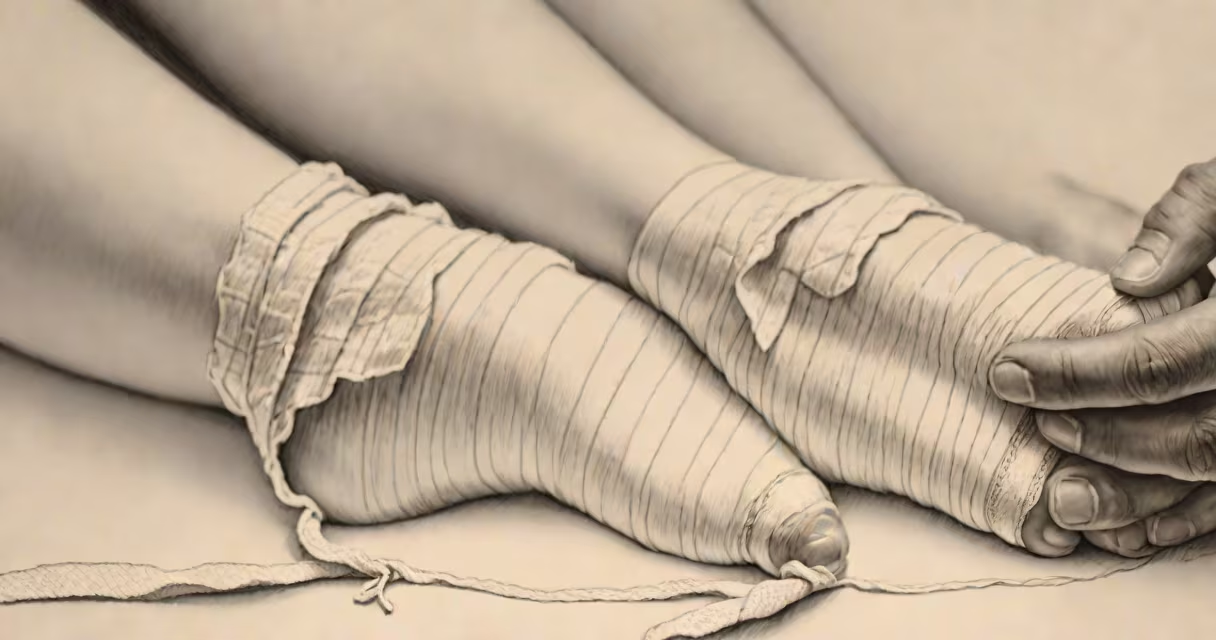
When your foot hurts, start by resting it, applying ice, and elevating the limb to reduce swelling. Avoid putting weight on the injured area until pain subsides. If pain persists beyond 48 hours or worsens, consult a healthcare provider.
Foot pain often results from overuse, improper footwear, or sudden trauma. Common causes include plantar fasciitis, metatarsalgia, sprains, or nerve compression. Identifying the location and nature of the pain-sharp, dull, throbbing, burning-helps narrow down potential causes. Pain on the outer side of the foot may stem from a stress fracture or peroneal tendonitis, while heel pain typically signals plantar fasciitis.
For minor injuries, the RICE method-rest, ice, compression, elevation-is effective within the first 48 hours. Ice reduces inflammation and numbs pain. Apply a cold pack for 15-20 minutes every 2-3 hours during the initial phase. Compression with an elastic bandage limits swelling, and elevation above heart level decreases fluid buildup. Over-the-counter NSAIDs like ibuprofen can manage pain and inflammation, but avoid prolonged use without medical advice.
Common Causes and Their Signs
Plantar fasciitis causes sharp heel pain, especially with the first steps in the morning. The pain usually eases with movement but returns after standing for long periods. A study published in The Journal of Orthopaedic & Sports Physical Therapy found that 80% of patients with heel pain had plantar fasciitis, making it the most frequent diagnosis in outpatient clinics.
Metatarsalgia affects the ball of the foot and feels like pressure or burning. It's common in runners or people who wear high heels regularly. Stress fractures, particularly in the metatarsals, cause localized tenderness and swelling. These often develop gradually after increased activity levels, such as hiking or training for a marathon.
Neuropathic pain-burning, tingling, or numbness-may indicate nerve entrapment. The most common is Morton's neuroma, which occurs between the third and fourth toes. Symptoms include sharp pain, a sensation of walking on a pebble, or electric-like shocks. A 2021 review in Foot & Ankle International reported that 70% of cases were misdiagnosed initially due to overlapping symptoms with other conditions.
| Pain Location | Most Likely Cause | Red Flags |
|---|---|---|
| Heel, especially first step | Plantar fasciitis | Pain lasts more than 2 weeks despite rest |
| Ball of foot, between toes | Morton's neuroma | Numbness, shooting pain, worsening with shoes |
| Outer edge of foot | Peroneal tendonitis or stress fracture | Swelling, tenderness to touch, pain with walking |
| Top of foot, near ankle | Stress fracture or tendon strain | Pain increases with dorsiflexion (bending foot upward) |
Home Remedies That Work
Stretching the calf and plantar fascia improves flexibility and reduces strain. Perform a seated toe stretch: loop a towel around the ball of your foot, gently pull toward you, and hold for 30 seconds. Repeat three times daily. A 2019 randomized controlled trial in Physical Therapy in Sport showed that consistent stretching reduced heel pain by 60% in six weeks.
Wearing supportive footwear with arch support prevents further strain. Avoid flat shoes or going barefoot on hard surfaces. Custom orthotics are recommended for chronic issues. I once treated a patient with recurrent foot pain who improved after switching from flip-flops to shoes with a 1-inch heel lift and cushioned insoles.
Use a frozen water bottle to roll under the foot. Cold reduces inflammation while massage improves circulation. Do this for 5-10 minutes daily. This technique mimics a foot roller but uses household items. It's effective for plantar fasciitis and general foot fatigue.
When to Seek Medical Help
Pain lasting longer than three days without improvement warrants evaluation. Red flags include inability to bear weight, visible deformity, swelling with redness, or signs of infection like fever. These suggest a fracture, infection, or gout. Gout typically presents as sudden, severe pain in the big toe joint, often at night.
If you suspect a stress fracture, imaging is necessary. X-rays may miss early-stage fractures. MRI or bone scan is required for confirmation. Delayed treatment increases recovery time and risk of complications. According to the American Academy of Orthopaedic Surgeons, untreated stress fractures can lead to nonunion in 15% of cases.
Do not ignore foot pain. Early action prevents progression. Rest, ice, and proper footwear address most mild cases. Persistent or worsening pain demands professional evaluation. Recognizing warning signs ensures timely care and better outcomes.